
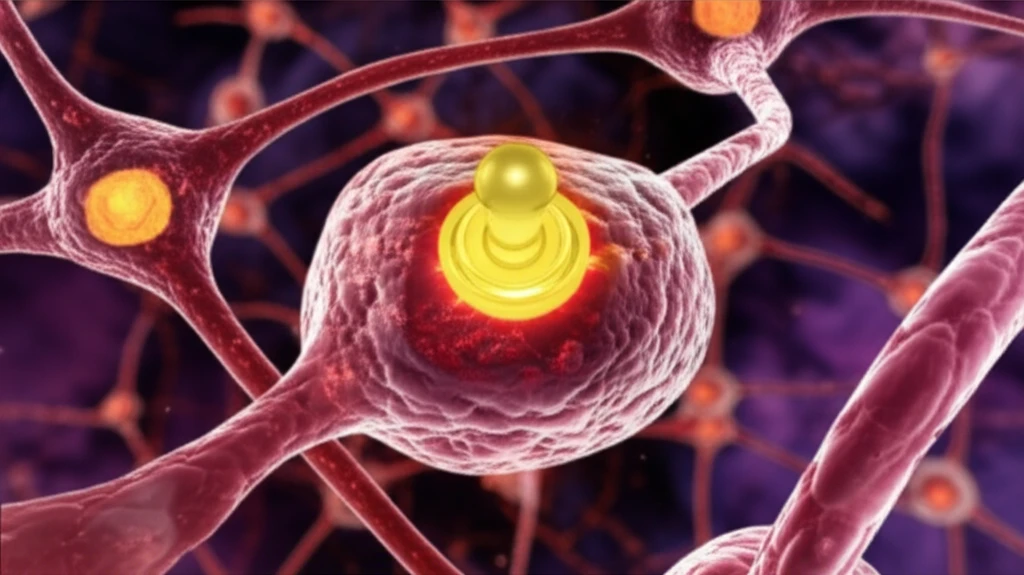
Cracking the Code: A New Switch to Halt Prostate Cancer?

"Unveiling the Role of ORAI3 in Prostate Cancer Progression"
Cancer’s complexity arises from the myriad factors and signaling pathways that collaborate, undermining therapies. Identifying new therapeutic targets is vital.
Calcium channels are emerging as critical players in cancer progression. Regulating calcium levels within cells—essential for processes like proliferation and apoptosis—requires precise orchestration by various channels and pumps.
Intriguingly, some ion channels exhibit tissue-specific distribution, with altered expression patterns in certain cancers. Recent research sheds light on the intricate roles of ORAI and STIM proteins in tumor progression.
ORAI3 and STIM Proteins: Key Players in Cancer Progression
A groundbreaking discovery in 2005-2006 identified ORAI1 and STIM1 as key molecular components of store-operated calcium entry (SOCE).
- ORAI1, ORAI2 and ORAI3 proteins are calcium selective channels.
- STIM1, STIM2 proteins are endoplasmic reticulum calcium sensors that activate ORAI channels upon store depletion.
Implications and Future Directions
These findings highlight ORAI3 as a potential therapeutic target in prostate cancer. Targeting ORAI3 could disrupt calcium signaling, hindering cancer cell proliferation and spread. Approaches such as developing ORAI3 inhibitors are being explored.
Further research is needed to fully understand the mechanisms by which ORAI3 promotes prostate cancer progression. Exploring ORAI3's role in other cancers is also warranted.
Deciphering the intricate roles of calcium channels like ORAI3 opens new avenues for targeted cancer therapies. Understanding cancer's complex mechanisms is crucial in the fight against this disease.