
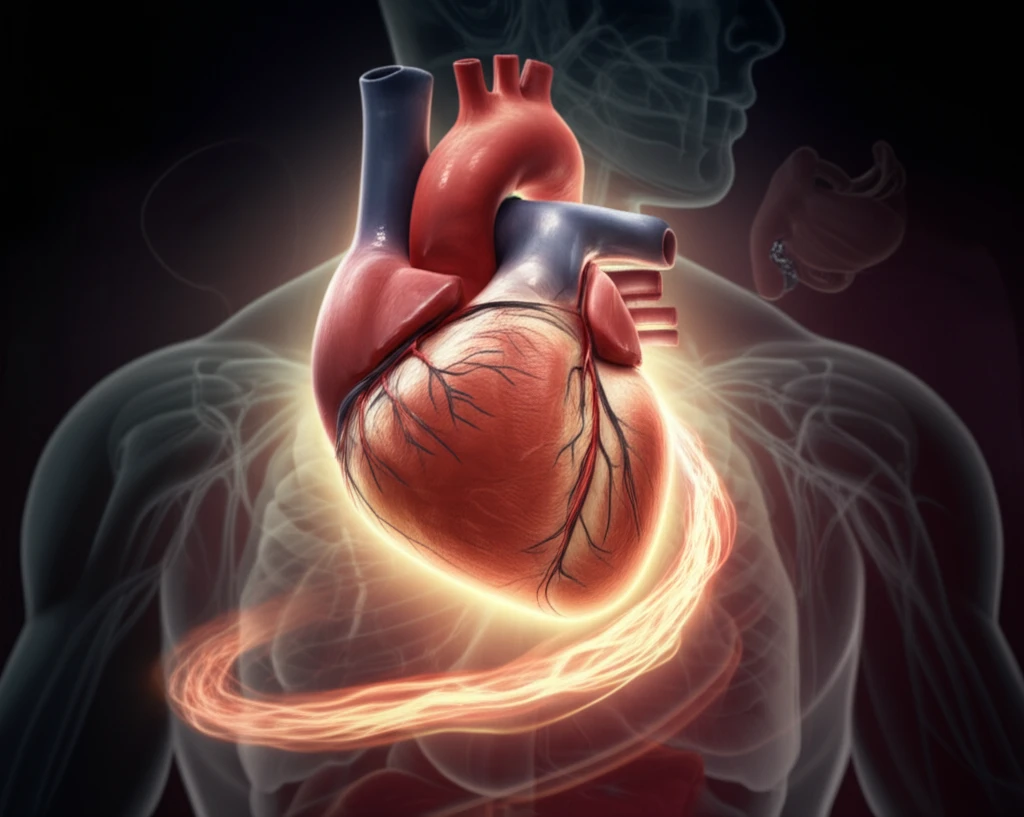
CPR Alternatives: How Circulatory Flow Restoration Could Revolutionize Cardiac Arrest Treatment

"Exploring a New Approach to Sudden Cardiac Arrest: Can a Non-Invasive Device Improve Outcomes?"
Sudden cardiac arrest (SCA) is a critical global health concern. Current cardiopulmonary resuscitation (CPR) methods often fall short, potentially due to their emphasis on restarting the heartbeat rather than ensuring adequate blood circulation to vital organs. This article explores a promising new approach that prioritizes restoring circulatory flow as a primary therapeutic strategy for SCA.
Researchers are investigating a non-invasive circulatory flow restoration (CFR) device designed to improve the effectiveness of SCA treatment. This device utilizes a system of pulsating compartments around the thorax and abdomen to promote blood circulation.
This article delves into the science behind this innovative device, examining its potential benefits, how it works, and the encouraging results from initial studies. We'll explore how CFR could represent a significant advancement in the way we respond to sudden cardiac arrest.
Why Current CPR Methods Often Fail: The Circulation Focus
Traditional CPR primarily focuses on chest compressions and, in some cases, ventilation. While these techniques can help maintain some blood flow, they may not be sufficient to adequately perfuse vital organs, especially in prolonged cardiac arrest scenarios. The existing methods often don't address the underlying need to sustain blood flow, which delivers oxygen and nutrients necessary for cellular survival.
- Inadequate Blood Flow: CPR may not generate sufficient blood flow to maintain metabolic processes and vital organ function.
- Cardiac Electrophysiology Incompatibilities: CPR techniques may not harmonize well with the heart's natural electrical activity.
- Anatomical Challenges: Compressing the chest may not effectively deliver adequate stroke volume to the left ventricle, especially in individuals with varying body types.
The Future of Cardiac Arrest Treatment: A Shift Towards Circulation
The circulatory flow restoration (CFR) device represents a significant shift in how we approach sudden cardiac arrest. By prioritizing blood circulation and endothelial shear stress, this non-invasive method offers a promising alternative to traditional CPR techniques.
While further research and clinical trials are necessary, the initial results are encouraging. The CFR device has the potential to improve outcomes for SCA victims by enhancing organ perfusion, promoting cellular metabolism, and increasing the likelihood of spontaneous circulation.
As research progresses, CFR devices could become a vital tool in the fight against sudden cardiac arrest, offering hope for improved survival rates and neurological outcomes.