
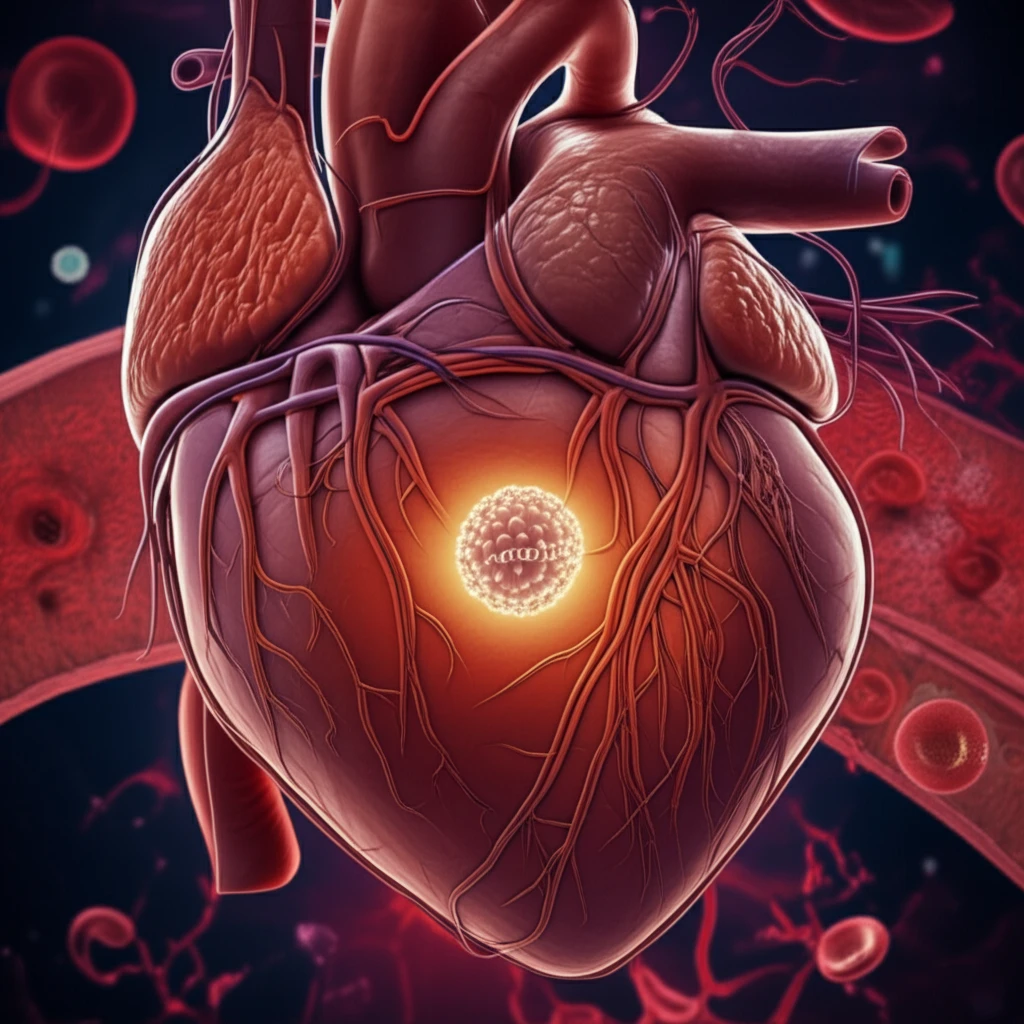
Illustration of a heart with blood vessels and the APOL3 protein

Could This Tiny Protein Be the Key to Unlocking Heart Health and Preventing Chronic Disease?

"New research suggests that a protein called APOL3 could play a crucial role in protecting your heart, improving blood vessel health, and potentially preventing some of the most common chronic diseases."


In the ever-evolving landscape of medical research, scientists are constantly searching for the key to unlocking a healthier and longer life. While the focus often remains on major lifestyle adjustments like diet and exercise, or on cutting-edge medical interventions, recent research has illuminated the power of the tiny, often-overlooked components of our bodies. One such component is a protein called Apolipoprotein L3 (APOL3), and the emerging science surrounding this protein points to its critical role in maintaining our cardiovascular health and preventing chronic illnesses.

The endothelium, the single-cell layer lining our blood vessels, is a crucial player in maintaining our health. It regulates blood pressure, permeability, and inflammation. When the endothelium malfunctions, it can trigger a cascade of negative health outcomes, including cardiovascular disease, impaired wound healing, and an increased risk of chronic illnesses. With the rise of heart diseases, it is important to uncover new health information.

This is where APOL3 steps into the spotlight. In a new study, researchers have found that APOL3 interacts with the blood vessels, potentially influencing processes related to angiogenesis and inflammation. This is a big step forward in the scientific understanding of how to prevent heart diseases. The potential implications are substantial, suggesting that this protein could be key to preventing and treating some of the most significant health challenges of our time.

APOL3 and the Endothelium: A Crucial Relationship

Illustration of a heart with blood vessels and the APOL3 protein

The recent research highlights the critical relationship between APOL3 and the endothelium. The study reveals that APOL3 plays a pivotal role in the health and function of blood vessels. This finding is not just academic; it has significant real-world implications for anyone concerned about their cardiovascular health.

The study reveals that APOL3 is associated with many important processes, including inflammation and angiogenesis. Angiogenesis is the formation of new blood vessels, which is essential for wound healing and tissue repair. However, when angiogenesis goes awry, it can contribute to diseases such as cancer and cardiovascular diseases.

  • APOL3 plays a key role in regulating endothelial permeability, which impacts the health of blood vessels.
  • The study found that APOL3 is involved in blood vessel formation, or angiogenesis, and wound repair processes.
  • APOL3 is particularly active under inflammatory conditions, suggesting a role in managing the body's response to injury and disease.
The implications of this research are far-reaching. By understanding how APOL3 interacts with the endothelium, we can begin to develop targeted strategies to maintain and improve our cardiovascular health. This research also opens the door to new ways of preventing and treating diseases associated with endothelial dysfunction, offering a glimpse into a future where we can better protect our health at the cellular level.

The Future of APOL3 Research and Your Health

The discovery of APOL3's role in endothelial function is more than just a scientific breakthrough; it is a beacon of hope for individuals seeking to proactively manage their health. The focus should be on a balanced lifestyle, which incorporates both preventative measures and the potential of cutting-edge research. This includes APOL3 and its interaction with blood vessels for a better quality of life.

About this Article -

This article was crafted using a human-AI hybrid and collaborative approach. AI assisted our team with initial drafting, research insights, identifying key questions, and image generation. Our human editors guided topic selection, defined the angle, structured the content, ensured factual accuracy and relevance, refined the tone, and conducted thorough editing to deliver helpful, high-quality information.See our About page for more information.

Everything You Need To Know

1

What is APOL3 and why is it important for cardiovascular health?

APOL3, or Apolipoprotein L3, is a protein that recent research suggests plays a crucial role in protecting the heart and blood vessels. It's important because it interacts with the endothelium, the inner lining of blood vessels, influencing processes like angiogenesis (formation of new blood vessels) and inflammation. This interaction is vital for maintaining cardiovascular health and preventing chronic diseases. The protein's activity impacts endothelial permeability, which is key for the health of blood vessels.

2

How does APOL3 affect the endothelium and what are the implications of this interaction?

APOL3 interacts with the endothelium, which is the single-cell layer lining the blood vessels. This interaction is significant because the endothelium regulates blood pressure, permeability, and inflammation. The implications of this interaction are far-reaching, potentially influencing processes like angiogenesis and inflammation, and impacting the overall function and health of blood vessels. When the endothelium malfunctions it can trigger negative health outcomes.

3

What is angiogenesis, and how is APOL3 connected to it?

Angiogenesis is the formation of new blood vessels, a process essential for wound healing and tissue repair. APOL3 is involved in this process; the research indicates that APOL3 is connected to blood vessel formation. However, when angiogenesis goes awry, it can contribute to diseases such as cancer and cardiovascular diseases. APOL3's role in regulating angiogenesis highlights its importance in maintaining healthy blood vessel function and preventing diseases.

4

Under what conditions is APOL3 particularly active, and what does this suggest about its function?

APOL3 is particularly active under inflammatory conditions. This suggests that APOL3 plays a role in managing the body's response to injury and disease, helping to regulate inflammation within the blood vessels. This activity is key, and this suggests that it is very significant for maintaining cardiovascular health, and its role suggests that this protein could be key to preventing and treating some of the most significant health challenges of our time.

5

How can understanding APOL3's role potentially lead to better health outcomes?

Understanding how APOL3 interacts with the endothelium could lead to the development of targeted strategies to maintain and improve cardiovascular health. This could involve new ways of preventing and treating diseases associated with endothelial dysfunction. The research opens the door to a future where we can better protect our health at the cellular level, offering a glimpse into a future where interventions could be designed to optimize APOL3's function and its interactions within the body. This could lead to better treatments and new medications in the future.

Newsletter Subscribe

Subscribe to get the latest articles and insights directly in your inbox.