
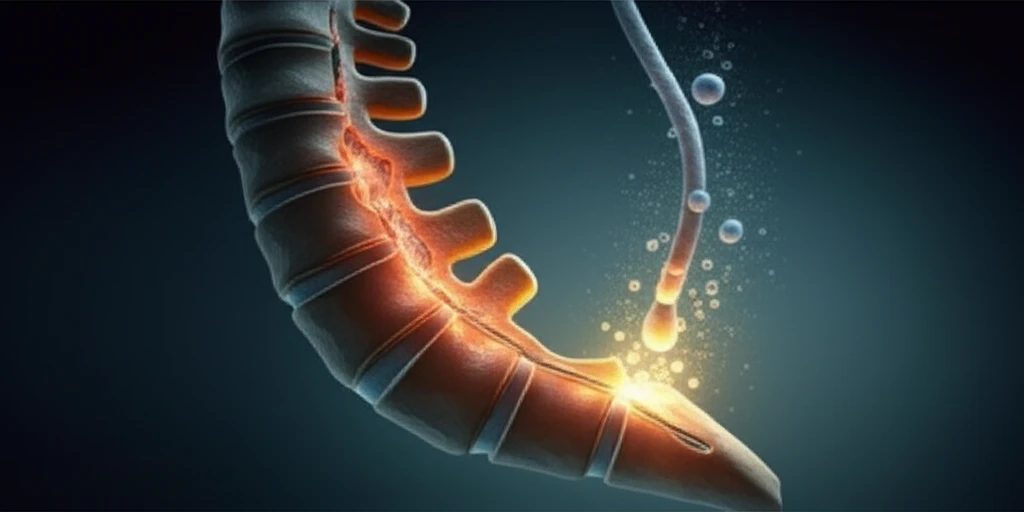
Cord Blood: The Unexpected Key to Spinal Cord Injury Recovery?

"Groundbreaking research suggests that mononuclear cells from human umbilical cord blood could revolutionize treatment for spinal cord injuries, offering new hope for functional recovery."
Spinal cord injuries represent a significant challenge in modern medicine, often leading to long-term disability and reduced quality of life for those affected. Traditional treatments focus on managing symptoms and preventing further damage, but complete functional recovery remains elusive. This has spurred the search for innovative therapies that can promote healing and restore lost function.
Cell transplantation has emerged as a promising area of research in this field, with various types of cells being investigated for their potential to repair damaged spinal tissue. Among these, mononuclear cells derived from human umbilical cord blood have garnered particular attention due to their unique properties and accessibility. These cells, known for their regenerative capabilities, offer a potential pathway to stimulate the body's own healing mechanisms.
Recent studies have explored the impact of transplanting these mononuclear cells into individuals with spinal cord injuries. The results suggest a promising avenue for improving motor function and overall recovery. This article dives into the latest research, examining the mechanisms by which umbilical cord blood cells could revolutionize the treatment of spinal cord injuries, offering a beacon of hope for those seeking to regain mobility and independence.
How Can Cord Blood Cells Help Heal Spinal Cord Injuries?
A study published in the Brazilian Journal of Medical and Biological Research investigated the effects of transplanting mononuclear cells from human umbilical cord blood into rats with traumatic spinal cord injuries. The researchers aimed to determine if these cells could promote functional recovery after injury. Female Wistar rats were subjected to spinal cord injuries and divided into control groups and a cell-treated group.
- One hour after surgery, directly into the injury site.
- Nine days after the injury, into the cisterna magna (a fluid-filled space at the base of the skull).
The Future of Spinal Cord Injury Treatment
These findings offer hope for improved treatments for spinal cord injuries using umbilical cord blood. While more research is needed, the initial results suggest a promising path toward restoring functional abilities and improving the lives of individuals affected by these debilitating conditions.