
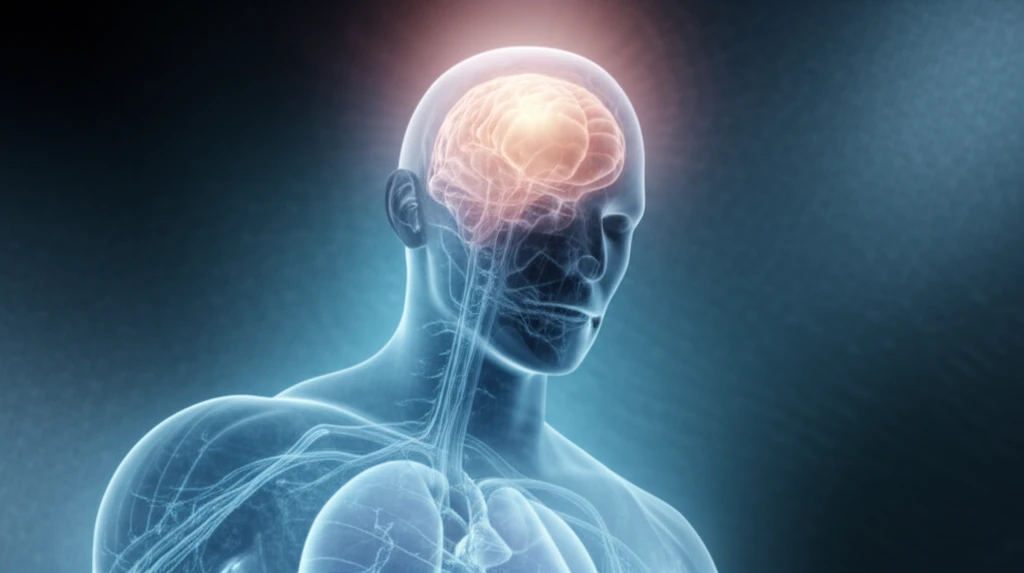
Therapeutic hypothermia: A surreal depiction of cooling for brain protection after cardiac arrest.

Cooling Down After Cardiac Arrest: Could Hypothermia Be a Game Changer?

"Explore how therapeutic hypothermia is reshaping recovery after cardiac arrest, offering hope and improved neurological outcomes for survivors."


Cardiac arrest survivors often face a difficult road, with significant neurological deficits and persistent vegetative states being all too common. While the statistics vary, studies suggest that a notable percentage of hospital admissions involve in-hospital cardiac arrests, with survival rates to discharge averaging around 20%.

However, there's a beacon of hope: therapeutic hypothermia. This method has demonstrated its protective effects against cerebral injury. By reducing brain metabolism and oxygen consumption, managing excitotoxic glutamate release, and combating oxidative stress, hypothermia creates an environment that promotes brain cell survival after ischemia.

Pioneering clinical trials in 2002 highlighted the significance of therapeutic hypothermia, showcasing improved neurological outcomes and reduced mortality rates in comatose survivors of cardiac arrest. Now, medical centers worldwide are embracing and replicating these findings.

How Does Cooling the Body Help After Cardiac Arrest?

Therapeutic hypothermia: A surreal depiction of cooling for brain protection after cardiac arrest.

Therapeutic hypothermia, or targeted temperature management, involves cooling the body to a specific temperature range (typically 32-34°C or 89.6-93.2°F) for a defined period. This induced hypothermia slows down the body's metabolic rate. Reducing the brain's need for oxygen and energy can prevent secondary brain injury that often occurs after cardiac arrest.

The benefits of therapeutic hypothermia extend beyond just slowing metabolism. It also helps:

  • Reduce the Release of Harmful Chemicals: Hypothermia can limit the release of glutamate, a neurotransmitter that can become toxic in excess.
  • Protect Against Oxidative Stress: It helps combat the damaging effects of oxidative stress and lipid peroxidation, which can further harm brain cells.
  • Alter Gene Expression: Hypothermia can positively influence gene expression, promoting cell survival pathways.
While the evidence supporting therapeutic hypothermia is strong, implementing it requires resources, trained personnel, and established protocols. Neurologists play a crucial role in managing these patients, offering prognoses, and shaping hospital-wide policies to ensure effective treatment.

The Future of Cooling: What's Next for Cardiac Arrest Treatment?

The study highlights the feasibility of implementing therapeutic hypothermia in a community setting, demonstrating that even smaller medical centers can successfully adopt this life-saving technique. The results are promising, with favorable neurological outcomes observed in patients who underwent cooling, aligning with findings from larger, more established trials.

While the study showcases the potential of therapeutic hypothermia, it also acknowledges the challenges in ensuring timely and consistent implementation. Further efforts are needed to:

<ul> <li>Streamline Cooling Protocols: Reducing the time to initiate cooling is crucial for maximizing its benefits.</li> <li>Expand Access: Making therapeutic hypothermia available in more hospitals, regardless of size or resources, is essential.</li> <li>Refine Techniques: Exploring advanced cooling methods, such as endovascular catheters, could further improve temperature control and cooling rates.</li> </ul>

About this Article -

This article was crafted using a human-AI hybrid and collaborative approach. AI assisted our team with initial drafting, research insights, identifying key questions, and image generation. Our human editors guided topic selection, defined the angle, structured the content, ensured factual accuracy and relevance, refined the tone, and conducted thorough editing to deliver helpful, high-quality information.See our About page for more information.

This article is based on research published under:

DOI-LINK: 10.4061/2011/791639, Alternate LINK

Title: Therapeutic Hypothermia After Cardiac Arrest: Experience At An Academically Affiliated Community-Based Veterans Affairs Medical Center

Subject: Neurology (clinical)

Journal: Stroke Research and Treatment

Publisher: Hindawi Limited

Authors: Maulik P. Shah, Leslie Zimmerman, Jean Bullard, Midori A. Yenari

Published: 2011-01-01

Everything You Need To Know

1

What is therapeutic hypothermia, and how does it work after cardiac arrest?

After a cardiac arrest, the brain is often deprived of oxygen, leading to potential neurological damage. Therapeutic hypothermia helps by slowing down the body's metabolism, reducing the brain's need for oxygen and energy. This can prevent secondary brain injury, which often occurs after cardiac arrest. The goal is to create an environment that promotes brain cell survival after ischemia.

2

What are the specific steps involved in therapeutic hypothermia?

Therapeutic hypothermia, or targeted temperature management, involves cooling the body to a specific temperature range, typically between 32-34°C (89.6-93.2°F), for a set period. This process slows the body's metabolic rate. The benefits extend beyond slowing metabolism. It also helps reduce the release of harmful chemicals, protect against oxidative stress, and alter gene expression, promoting cell survival pathways.

3

Why is therapeutic hypothermia considered important for cardiac arrest survivors?

Therapeutic hypothermia is important because it has been shown to improve neurological outcomes and reduce mortality rates in comatose survivors of cardiac arrest. By reducing brain metabolism and oxygen consumption, it creates an environment that promotes brain cell survival after ischemia. This leads to better recovery and higher chances of a positive outcome for the patient.

4

What are the practical implications of implementing therapeutic hypothermia in a hospital setting?

The implementation of therapeutic hypothermia requires resources, trained personnel, and established protocols. Neurologists play a crucial role in managing these patients, providing prognoses, and shaping hospital-wide policies to ensure effective treatment. Medical centers worldwide are embracing and replicating the findings of earlier clinical trials. The feasibility of implementing therapeutic hypothermia in a community setting is also highlighted.

5

What is the future outlook for therapeutic hypothermia in the treatment of cardiac arrest?

The future of cardiac arrest treatment involves the wider adoption and refinement of therapeutic hypothermia techniques. Research suggests the possibility of improved neurological outcomes for patients. The study highlights that even smaller medical centers can successfully adopt this life-saving technique, which is promising and aligns with findings from larger, more established trials.

Newsletter Subscribe

Subscribe to get the latest articles and insights directly in your inbox.