
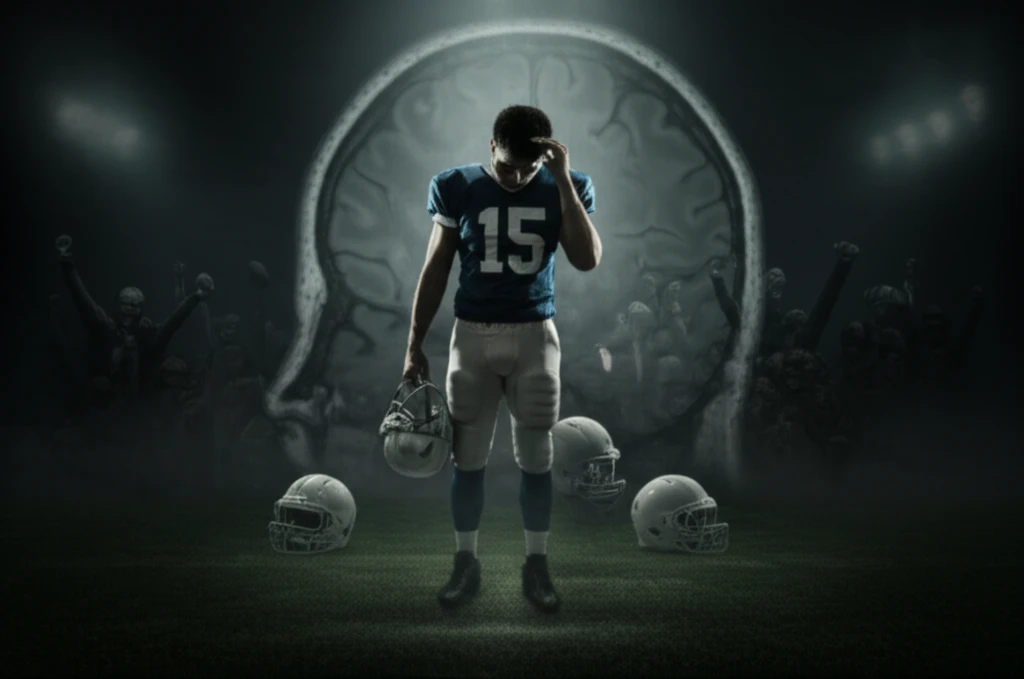
Concussion Crisis: Are Former College Football Players at Risk?

"New research spotlights the link between concussions in college football and long-term health problems. Learn about the risks and what can be done."
The roar of the crowd, the bone-crushing tackles, the thrill of victory—college football is a quintessential part of American culture. But beneath the Friday night lights and Saturday afternoon spectacles lies a growing concern about the long-term health of the athletes who dedicate their bodies to the game. Specifically, the repetitive head trauma and concussions endured on the field may have lasting consequences that extend far beyond their playing years.
Concussions are a well-recognized risk in football, with studies consistently showing a higher incidence compared to other sports. The National Collegiate Athletic Association (NCAA) has been tracking concussions, and their research confirms that players who have already experienced a concussion are at a significantly greater risk of sustaining another one. These repeated head injuries are now being linked to potential long-term neurological and psychological issues.
Now, a new study is adding to the growing body of evidence, focusing specifically on former college football players and the potential long-term effects of concussions on their health. This research aims to shed light on the connection between head trauma sustained during college football and the development of adverse health outcomes later in life.
The Study: Unveiling the Risks for Former College Athletes
Published in the American Journal of Sports Medicine, the study by Kerr, Thomas, Simon, et al. investigated the association between a history of multiple concussions and health outcomes among former college football players. The research team followed participants for 15 years after their college careers ended, seeking to understand the potential long-term consequences of head trauma experienced on the field.
- Data Collection: Information was gathered using an online questionnaire adapted from the Retired NFL Players General Health Survey.
- Concussion History: Participants self-reported their history of sports-related concussions (before and during college) and non-sports-related head injuries.
- Health Outcomes: The questionnaire assessed physical and mental health using tools like the VR-36, PHQ-9 (depression screening), and CAGE (alcohol abuse screening).
- Demographics: Researchers also collected data on age, ethnicity, BMI, and year of initial football participation.
The Bottom Line: Protecting Athletes Today and Tomorrow
This study highlights the potential long-term consequences of concussions in college football players, specifically demonstrating a link between repeated head trauma and increased risk of mental health issues later in life. It underscores the critical need for effective concussion prevention strategies, improved player safety measures, and comprehensive support systems for former athletes dealing with the lasting effects of their playing careers.