
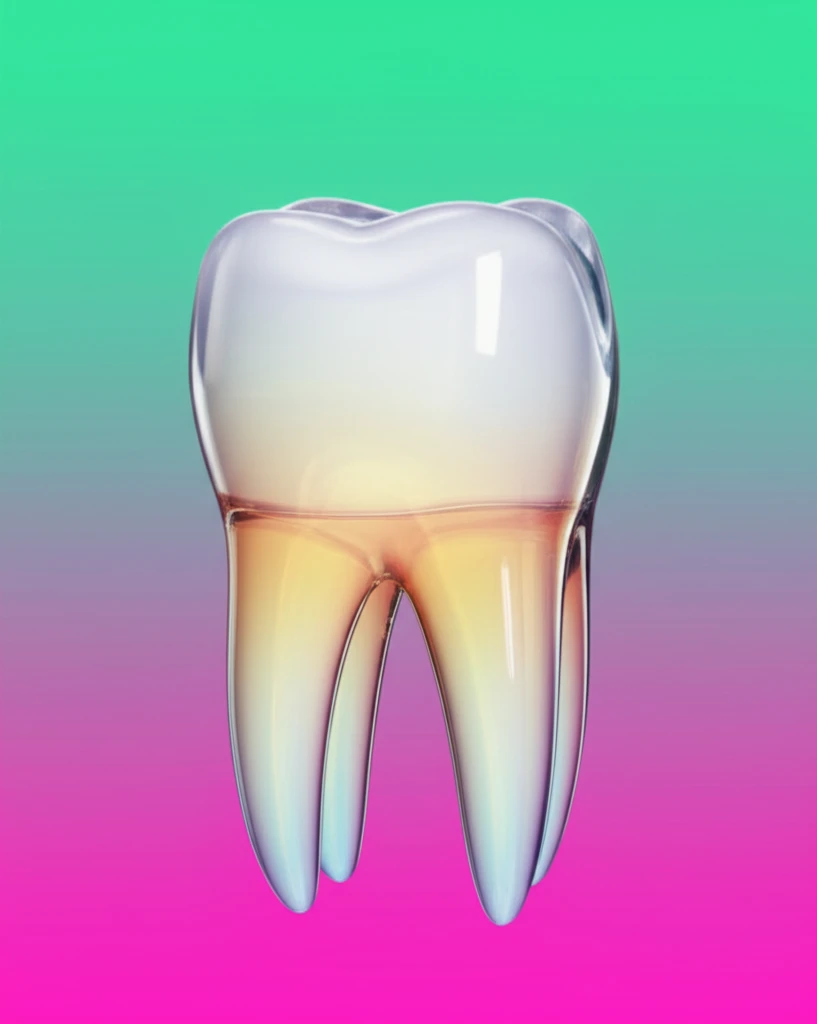
Fluorescent Composite Resin in Dental Restoration

Composite Resin Fluorescence: Does Polishing and Storage Matter?

"Unlock the secret to long-lasting dental aesthetics: Learn how polishing techniques and storage conditions impact the natural glow of composite resin restorations."


In modern dentistry, patients expect restorations to not only restore function but also mimic the natural appearance of teeth. Composite resins have become popular for their versatility, affordability, and ability to create aesthetically pleasing smiles. These materials possess crucial optical properties, including fluorescence, which allows them to emit light when exposed to ultraviolet radiation, mimicking natural tooth behavior.

Fluorescence is an important characteristic because it enhances the vitality of teeth and restorations. This property helps composite resins replicate the natural appearance of dental structures under ultraviolet light. However, achieving the ideal fluorescence intensity in composite resins remains challenging. Factors like chemical agents, storage conditions, and polishing techniques can affect this property, leading to inconsistent results.

A recent study investigated how superficial polishing and different storage environments impact the fluorescence of composite resins. This research aims to provide insights into optimizing dental restoration procedures for long-lasting aesthetics.

How Does Polishing Affect Fluorescence in Composite Resin?

Fluorescent Composite Resin in Dental Restoration

The study prepared seventy circular specimens using a microhybrid composite resin (Opallis, FGM). These specimens were divided into groups based on different polishing protocols and storage conditions. The polishing protocols involved using polishing discs with grit sizes of 600, 1200, and 2500. The storage conditions included deionized water, tap water, and artificial saliva.

The fluorescence intensity of the specimens was measured using a Cary Eclipse Fluorescence Spectrophotometer after one, seven, and twenty-one days. The data was then analyzed to determine whether there were significant differences in fluorescence intensity among the groups.

  • Polishing Protocols: Specimens were polished using different grit sizes to simulate various clinical polishing techniques.
  • Storage Conditions: Specimens were stored in deionized water, tap water, and artificial saliva to mimic different oral environments.
  • Fluorescence Measurement: Fluorescence intensity was measured at specific intervals to assess changes over time.
The study found no statistically significant difference in fluorescence intensity between the groups subjected to different polishing protocols. This suggests that the tested polishing techniques did not significantly alter the fluorescence of the composite resin. However, the type of storage medium did have an impact. Specimens stored in tap water and deionized water showed a more significant change in fluorescence intensity compared to those stored in artificial saliva, particularly after seven days.

Key Takeaways for Dental Professionals

The study's findings indicate that while superficial polishing protocols may not significantly affect the fluorescence of composite resin, storage conditions do play a crucial role. Storing composite resin restorations in artificial saliva appears to better preserve their fluorescence compared to tap water or deionized water. These insights can help dental professionals optimize their restoration procedures to ensure lasting aesthetic results.

About this Article -

This article was crafted using a human-AI hybrid and collaborative approach. AI assisted our team with initial drafting, research insights, identifying key questions, and image generation. Our human editors guided topic selection, defined the angle, structured the content, ensured factual accuracy and relevance, refined the tone, and conducted thorough editing to deliver helpful, high-quality information.See our About page for more information.

Everything You Need To Know

1

What is the significance of fluorescence in composite resin dental restorations?

Fluorescence is a critical optical property of composite resins that allows them to mimic the natural appearance of teeth. When exposed to ultraviolet radiation, the composite resin emits light, replicating the vitality of natural dental structures. This characteristic is essential for achieving aesthetically pleasing and natural-looking restorations. Without adequate fluorescence, the restorations might appear dull or lifeless under certain lighting conditions, failing to blend seamlessly with the patient's existing teeth. This property enhances the overall aesthetic outcome and patient satisfaction.

2

How did the study evaluate the impact of polishing on the fluorescence of Opallis composite resin?

The study utilized seventy circular specimens made from Opallis, a microhybrid composite resin, which were divided into groups and subjected to different polishing protocols. These protocols involved the use of polishing discs with grit sizes of 600, 1200, and 2500. The specimens were then stored in various conditions, including deionized water, tap water, and artificial saliva. The fluorescence intensity of the specimens was measured using a Cary Eclipse Fluorescence Spectrophotometer at intervals of one, seven, and twenty-one days. This allowed researchers to assess how each polishing technique and storage environment influenced the fluorescence of Opallis over time, thereby determining best practices for maintaining the aesthetic qualities of the composite resin.

3

What were the primary findings regarding the impact of polishing on the fluorescence of composite resin?

The study indicated that the superficial polishing protocols, using different grit sizes, did not significantly affect the fluorescence intensity of the composite resin. This suggests that standard polishing techniques, as tested, do not compromise the material's ability to emit light under UV exposure. However, the research did reveal that storage conditions played a crucial role in maintaining fluorescence. Specifically, the choice of storage medium had a notable impact on the fluorescence intensity over time, with different liquids affecting the resin's optical properties differently.

4

How do storage conditions affect the fluorescence of composite resin restorations, according to the study?

The study found that storage conditions significantly impact the fluorescence of composite resin restorations. Specimens stored in tap water and deionized water showed more significant changes in fluorescence intensity compared to those stored in artificial saliva, particularly after seven days. This suggests that the environment in which a restoration is stored or used can affect its ability to maintain its fluorescence over time. Using artificial saliva appears to better preserve the fluorescence of composite resins compared to tap water or deionized water. This highlights the importance of using materials that mimic the oral environment in laboratory testing and potentially in clinical applications.

5

Why is it important for dental professionals to understand the impact of polishing and storage on composite resin fluorescence?

Understanding the effects of polishing and storage on composite resin fluorescence is vital for dental professionals to ensure the longevity and aesthetic success of their restorations. The research findings indicate that while polishing techniques might not significantly alter fluorescence, storage conditions do. This knowledge enables dentists to optimize their restoration procedures by choosing appropriate storage methods, such as artificial saliva, to better preserve the natural appearance and fluorescence of the composite resin. By focusing on these details, dental professionals can enhance patient satisfaction by delivering restorations that not only restore function but also maintain their natural, vibrant appearance over time, leading to improved outcomes in dental practice.

Newsletter Subscribe

Subscribe to get the latest articles and insights directly in your inbox.