
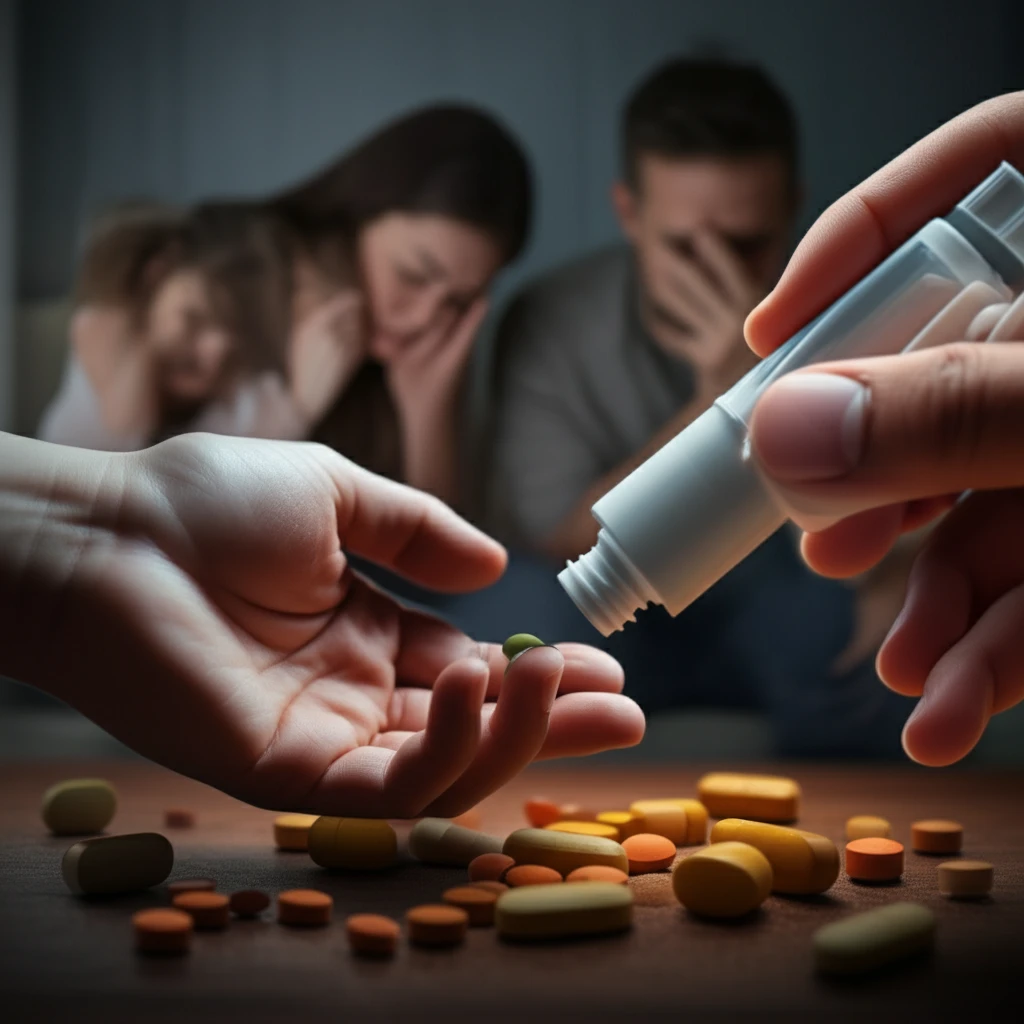
Combatting the Opioid Crisis: How Education and Safe Disposal are Key

"Explore strategies for safe opioid use, disposal, and the role of naloxone in overdose prevention."
The opioid crisis remains a significant public health challenge, affecting communities across the nation. In 2012 alone, over 250 million prescriptions for opioid painkillers were written in the United States, contributing to a surge in addiction and overdose fatalities. The statistics are alarming: an average of forty-six people died each day from opioid overdoses during that same year. This crisis demands comprehensive solutions, including enhanced education, responsible medication disposal practices, and widespread access to life-saving interventions like naloxone.
While opioids are routinely prescribed to manage post-operative pain and other medical conditions, studies reveal that a substantial portion of these medications go unused. These leftover pills pose a serious risk, potentially leading to misuse, abuse, and accidental ingestion, especially by children. Furthermore, improper disposal of opioids can contaminate the environment, adding another layer of complexity to this multifaceted problem.
Fortunately, healthcare professionals, policymakers, and community organizations are stepping up to address this crisis through various initiatives. This article will delve into the importance of educating patients about safe opioid use and disposal, the role of perianesthesia nurses in promoting responsible practices, and the impact of naloxone harm reduction strategies in preventing overdose deaths. By understanding these key aspects, individuals and communities can work together to mitigate the devastating effects of the opioid crisis.
The Role of Education in Safe Opioid Management
Education is a cornerstone of responsible opioid management. Patients need clear, concise information about the potential risks and benefits of opioid medications, as well as guidance on how to use them safely and effectively. This includes understanding the importance of:
- Proper Dosage: Reinforce the prescribed dosage and frequency, emphasizing the dangers of exceeding the recommended amount.
- Potential Side Effects: Inform patients about common side effects, such as drowsiness, constipation, and nausea, and how to manage them.
- Drug Interactions: Discuss potential interactions with other medications, including alcohol, benzodiazepines, and other central nervous system depressants.
- Storage and Security: Advise patients on how to store opioids securely, out of reach of children and pets, to prevent accidental ingestion or theft.
- Disposal Methods: Provide clear instructions on how to dispose of unused opioids safely and responsibly.
Naloxone: A Life-Saving Intervention
Naloxone, also known as Narcan, is a life-saving medication that can reverse the effects of an opioid overdose. It works by binding to opioid receptors in the brain and blocking the effects of opioids, restoring normal breathing and consciousness. Naloxone is safe and effective when administered correctly, and it can be a crucial tool in preventing overdose fatalities.