
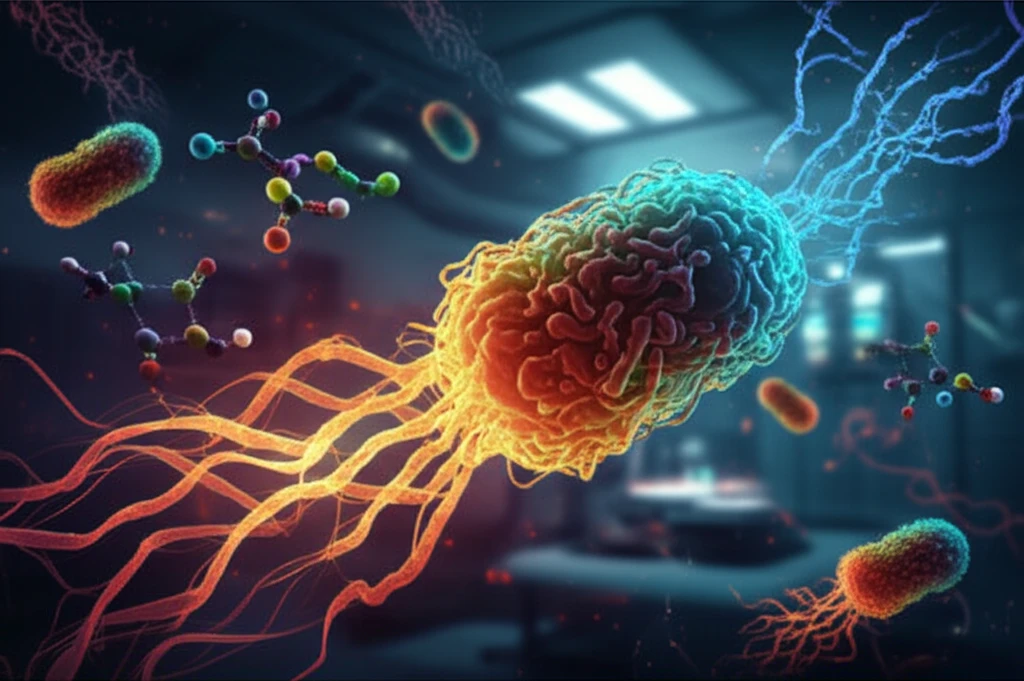
Illustration of MRSA bacteria interacting with antibiotic molecules, representing the fight against antibiotic resistance.

Combating the Silent Threat: How Scientists Are Winning the Fight Against Drug-Resistant Infections

"Unveiling the Molecular Secrets Behind Antibiotic Resistance: A Deep Dive into a Cutting-Edge Study on MRSA"


In the relentless battle against infectious diseases, a new and formidable adversary has emerged: antibiotic resistance. This phenomenon, where bacteria evolve to withstand the effects of drugs designed to kill them, poses a significant threat to global health. One of the most concerning examples is methicillin-resistant Staphylococcus aureus, or MRSA, a bacterium responsible for a range of infections, from skin and soft tissue infections to life-threatening bloodstream infections.

A recent study published in the journal 'Genetics and Molecular Research' sheds light on the mechanisms behind MRSA's resistance to antibiotics, specifically rifampicin, a drug often used to treat severe infections. The research, conducted in Chennai, India, investigated the molecular characteristics of MRSA strains to understand how they develop resistance and how this knowledge can be used to combat them effectively.

This article will delve into the key findings of the study, exploring the methods used, the results obtained, and their implications for the treatment and control of MRSA. By examining the genetic mutations that contribute to antibiotic resistance, we can gain a better understanding of how to develop new strategies to overcome this growing challenge and protect public health.

Unraveling the Molecular Puzzle: The Study's Approach and Findings

Illustration of MRSA bacteria interacting with antibiotic molecules, representing the fight against antibiotic resistance.

The study employed a multi-faceted approach to investigate MRSA strains. Researchers collected samples from various hospital settings in Chennai, India, and used standard laboratory techniques to identify and characterize the isolates. They focused on determining the strains' resistance to various antibiotics, as well as performing molecular analyses to identify the genetic mutations that confer resistance to rifampicin. This involved sequencing the rpoB gene, which is responsible for rifampicin resistance.

The study revealed that a significant proportion of the MRSA isolates exhibited resistance to multiple antibiotics, highlighting the severity of the multidrug resistance problem. The research identified specific mutations in the rpoB gene that were associated with high-level rifampicin resistance. These mutations occurred at specific locations within the gene, leading to changes in the structure of the bacterial RNA polymerase, the target of rifampicin. The study also found that the identified mutations might be a key factor in the development of high-level resistance to rifampicin in these strains.

  • High Prevalence of Multidrug Resistance: The study found that a substantial number of MRSA isolates were resistant to multiple antibiotics, indicating a significant challenge in treatment.
  • Rifampicin Resistance Mechanisms: The research identified specific mutations in the rpoB gene, which is responsible for rifampicin resistance, that were associated with high-level resistance.
  • Key Amino Acid Changes: The mutations in the rpoB gene resulted in changes to amino acids at specific locations within the gene, affecting the structure of the RNA polymerase, the target of rifampicin.
  • Implications for Treatment: These findings provide valuable insights into the genetic mechanisms of resistance, potentially informing new strategies for combating MRSA.
The findings of this study underscore the complexity of antibiotic resistance and the urgent need for continuous monitoring and research. The identified genetic mutations associated with rifampicin resistance provide valuable insights into the mechanisms underlying drug resistance. This knowledge can be used to develop new diagnostic tools and treatment strategies to combat this pervasive threat. The study's results also emphasize the importance of appropriate antibiotic use and infection control measures to limit the spread of resistant strains. The results of this study provided detailed insights into the genetic mechanisms of resistance. This enhanced understanding is a crucial step in addressing the global challenge of antibiotic resistance.

Looking Ahead: The Path Forward in the Fight Against Antibiotic Resistance

The research presented offers crucial insights into the molecular basis of antibiotic resistance in MRSA. By understanding the genetic changes that enable bacteria to evade antibiotics, scientists can develop new diagnostic tools, identify potential drug targets, and design effective treatment strategies. As the threat of antibiotic resistance continues to evolve, ongoing research, surveillance, and responsible antibiotic use will be essential in safeguarding public health. This study underscores the importance of continued efforts to combat this global health challenge and protect the effectiveness of life-saving antibiotics.

About this Article -

This article was crafted using a human-AI hybrid and collaborative approach. AI assisted our team with initial drafting, research insights, identifying key questions, and image generation. Our human editors guided topic selection, defined the angle, structured the content, ensured factual accuracy and relevance, refined the tone, and conducted thorough editing to deliver helpful, high-quality information.See our About page for more information.

Everything You Need To Know

1

What is the significance of studying multi-drug resistant MRSA strains, particularly those examined in Chennai, India?

Studying multi-drug resistant MRSA strains, such as those in Chennai, India, is crucial because these strains pose a significant threat to global health due to their resistance to multiple antibiotics. Researching their molecular characteristics, like the mutations in the rpoB gene that confer rifampicin resistance, helps us understand the mechanisms driving antibiotic resistance. This understanding is essential for developing new diagnostic tools, treatment strategies, and infection control measures to combat this growing threat and protect public health. Without this research, we would lack the insights needed to develop effective countermeasures against these increasingly resistant bacteria.

2

How does MRSA develop resistance to rifampicin, and what role does the rpoB gene play in this process?

MRSA develops resistance to rifampicin through genetic mutations in the rpoB gene. The rpoB gene is responsible for producing a part of the bacterial RNA polymerase, which is the target of rifampicin. Mutations in specific regions of the rpoB gene cause changes in the structure of the RNA polymerase, preventing rifampicin from binding effectively. This results in high-level resistance to rifampicin. Understanding these specific mutations and their impact on RNA polymerase function is vital for developing new drugs that can bypass this resistance mechanism and effectively target MRSA infections.

3

What are the implications of the study's findings regarding the high prevalence of multidrug resistance in MRSA isolates?

The high prevalence of multidrug resistance in MRSA isolates, as highlighted by the study, indicates a significant challenge in treating infections caused by these strains. It means that common antibiotics are becoming less effective, leading to longer hospital stays, increased healthcare costs, and higher mortality rates. This finding emphasizes the urgent need for developing new antibiotics, alternative treatment strategies, and improved infection control measures to limit the spread of these resistant strains. Without such interventions, we risk a future where common infections become untreatable.

4

Beyond identifying specific mutations, how can the insights from this study inform the development of new strategies for combating MRSA?

The insights from this study, particularly the identification of specific mutations in the rpoB gene associated with rifampicin resistance, can inform the development of new diagnostic tools to quickly detect resistant strains. Furthermore, understanding how these mutations alter the structure of the RNA polymerase can guide the design of new drugs that specifically target the mutated enzyme or bypass the resistance mechanism altogether. This knowledge also underscores the importance of responsible antibiotic use and robust infection control measures to prevent the further spread of resistant strains, integrating diagnostics, drug development, and prevention strategies for a comprehensive approach.

5

What are the broader implications of research on antibiotic resistance, like the study on MRSA in Chennai, for global public health and the future of medicine?

Research on antibiotic resistance, exemplified by the study on MRSA in Chennai, has profound implications for global public health and the future of medicine. As bacteria evolve to resist antibiotics, common infections become increasingly difficult and costly to treat, potentially reversing decades of medical progress. The rise of antibiotic resistance threatens our ability to perform routine surgeries, organ transplants, and cancer therapies, all of which rely on effective antibiotics to prevent and treat infections. Continued research is essential for developing new antibiotics, alternative therapies, and diagnostic tools to stay ahead of evolving resistance mechanisms and safeguard public health worldwide.

Newsletter Subscribe

Subscribe to get the latest articles and insights directly in your inbox.