
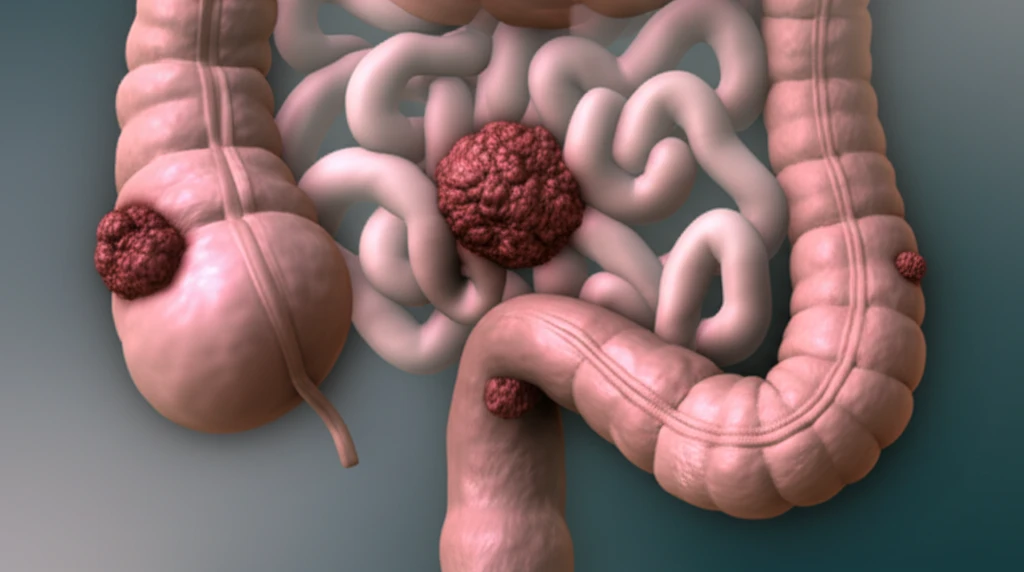
Colon Cancer's Unexpected Twist: Unraveling a Rare Case of Endometriosis-Associated Tumors

"A rare medical mystery sheds light on the link between endometriosis and colon cancer, offering new insights for women's health."
In the intricate world of women's health, certain conditions can intertwine in unexpected ways. Endometriosis, a condition where tissue similar to the lining of the uterus grows outside of it, is one such condition. While often associated with pelvic pain and fertility issues, endometriosis can sometimes lead to more complex scenarios. One such rare instance involves the development of tumors in the colon, a phenomenon that warrants attention and understanding.
This article delves into a unique medical case, focusing on an endometrioid adenocarcinoma arising from colon endometriosis. It's a rare occurrence, presenting a diagnostic challenge due to its subtle symptoms and the need for careful examination. This case underscores the importance of awareness and thoroughness in medical assessments, particularly for women's health concerns.
Through this exploration, we'll dissect the case, its implications, and the broader context of endometriosis-associated intestinal tumors. We'll also touch upon the importance of early detection and the critical role of accurate diagnosis in ensuring optimal patient outcomes. This case offers a valuable opportunity to learn and improve understanding of women's health.
Unveiling the Enigma: Understanding Endometriosis-Associated Intestinal Tumors
Endometriosis, as we know, affects a significant number of women. The condition can cause a range of symptoms, from painful periods to difficulties with fertility. However, what's less commonly known is the potential for this condition to lead to other, more serious health concerns, like the development of tumors in the colon. These tumors, often referred to as endometriosis-associated intestinal tumors (EAITs), are rare but pose a significant clinical challenge.
- Symptoms: Often mimic those of primary colonic carcinoma, including abdominal pain, changes in bowel habits, and bleeding.
- Diagnosis: Requires a high index of suspicion, coupled with careful histological and immunohistochemical examination.
- Risk Factors: While hormonal therapy and obesity are known risk factors, cases can occur in the absence of these factors.
- Treatment: Typically involves surgical resection of the affected area, which aims to remove the tumor and prevent further spread.
Empowering Women's Health Through Knowledge and Awareness
The journey through women's health can be complex, with conditions like endometriosis presenting unique challenges. This case of an endometrioid adenocarcinoma, arising from colon endometriosis, serves as a reminder of the importance of proactive healthcare, early detection, and the value of continuous learning. By staying informed, seeking medical advice when needed, and fostering open conversations, women can better navigate their health journeys. This case demonstrates how awareness, careful assessment, and a commitment to understanding can make a difference in providing better patient care and promoting well-being.