
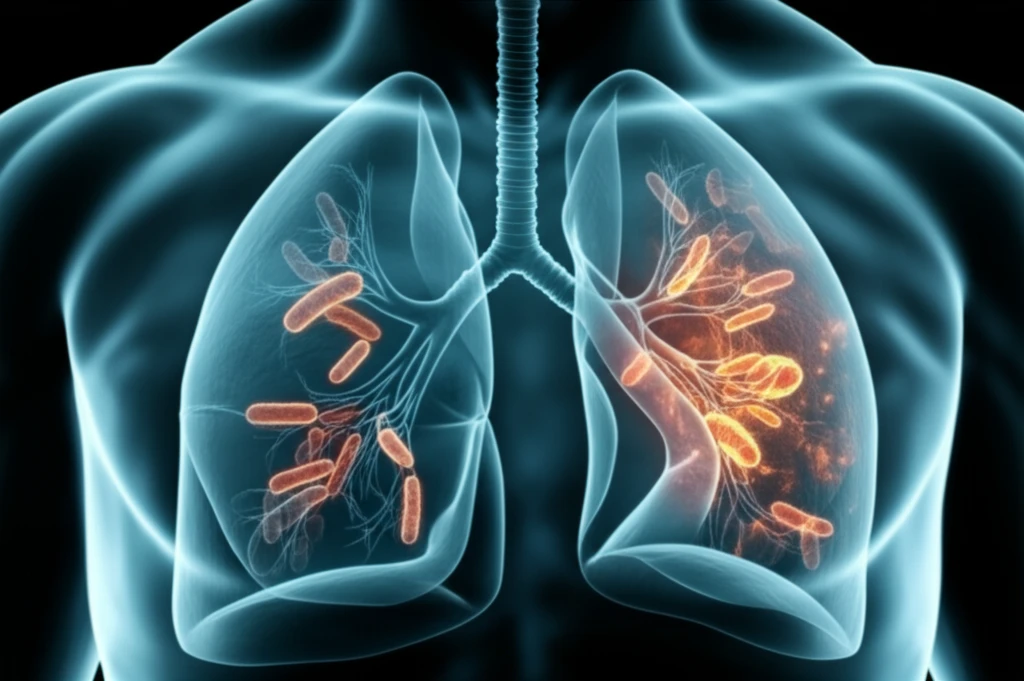
Clostridium Difficile and Your Lungs: What You Need to Know About This Rare Threat

"Unraveling the Mystery of C. Difficile Empyema: Symptoms, Causes, and What You Can Do."
Have you ever heard of Clostridium difficile, or C. diff? It's a nasty bug, a bacterium that can cause severe diarrhea and inflammation of the colon. While it's a known threat, especially in healthcare settings, there's a rare complication that's even more concerning: C. difficile empyema, a condition where C. diff infects the space between the lungs and the chest wall. This article explores the ins and outs of this unusual and serious illness, shedding light on its causes, symptoms, and what you should know.
Empyema itself is a serious condition, typically involving the buildup of pus in the space between the lungs and the chest cavity. It can be caused by various infections, but when C. difficile is the culprit, it presents unique challenges. This is because C. diff is usually associated with the gut, not the lungs. Understanding how C. difficile can cause empyema is crucial for early detection and effective treatment.
This article will delve into the specifics of C. difficile empyema, aiming to arm you with knowledge about this uncommon but potentially life-threatening condition. We'll explore how this infection can occur, who is at risk, and what steps can be taken for diagnosis and management. By the end, you'll have a clearer picture of this unusual disease and how to approach it.
The Connection: How C. Difficile Can Invade Your Lungs
The primary culprit behind C. difficile empyema is, unsurprisingly, C. difficile itself. This bacterium typically resides in the gut, where it can wreak havoc, especially after antibiotic use. But how does it end up in the lungs? The exact mechanisms are still being studied, but there are a few theories.
- Aspiration: Bacteria from the upper airways or stomach enter the lungs.
- Chest Tube Contamination: Infected chest tubes allow bacteria to enter the pleural space.
- Other Potential Pathways: Though less common, the bacteria might spread through the bloodstream from a primary gut infection.
Conclusion: Protecting Your Respiratory Health
C. difficile empyema is a serious, though rare, complication of a common gut infection. By understanding the potential risks, recognizing the symptoms, and seeking timely medical attention, you can protect your respiratory health. If you experience symptoms of a lung infection, especially if you have a history of C. difficile infection or are in a healthcare setting, it's crucial to inform your healthcare provider. Prompt diagnosis and treatment can significantly improve the outcomes of this unusual condition.