
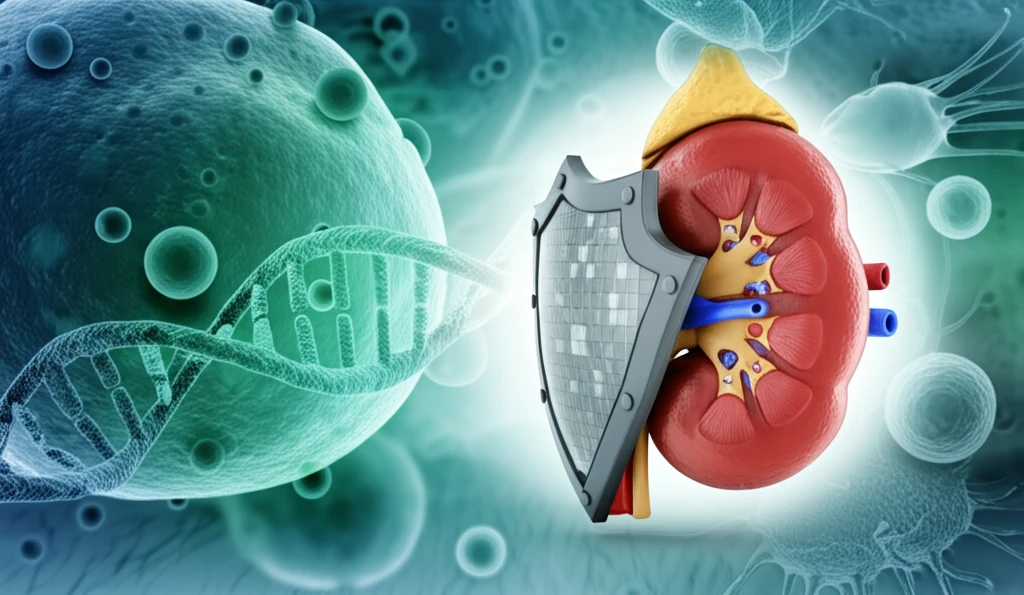
Cisplatin's Hidden Side Effects: How to Protect Your Body During Chemotherapy

"Discover how scientists are targeting a specific protein to minimize the harmful side effects of cisplatin, a common chemotherapy drug, while enhancing its cancer-fighting abilities."
Cancer is a formidable foe, and the treatments we use to combat it often come with their own set of challenges. Chemotherapy, while effective at killing cancer cells, can also damage healthy tissues, leading to a range of side effects that can significantly impact a patient's quality of life. Finding ways to minimize these side effects without compromising the treatment's effectiveness is a major goal in cancer research.
Cisplatin is a widely used chemotherapy drug known for its effectiveness against various types of cancer. However, it can also cause serious side effects, particularly kidney damage. Scientists have been working for years to understand how cisplatin harms the kidneys and to find ways to protect them without reducing the drug's ability to fight cancer.
This article explores recent research that has identified a specific protein, protein kinase C δ (PKCδ), as a key player in cisplatin-induced kidney damage. Excitingly, studies have shown that inhibiting PKCδ can protect the kidneys from cisplatin's harmful effects while actually enhancing the drug's ability to kill cancer cells. This discovery could pave the way for safer and more effective chemotherapy treatments.
How Does Cisplatin Cause Kidney Damage?
Cisplatin works by damaging the DNA of cancer cells, preventing them from growing and dividing. Unfortunately, it can also damage the DNA of healthy cells, particularly in the kidneys. The kidneys are responsible for filtering toxins from the blood, and they are exposed to high concentrations of cisplatin as the drug is processed and eliminated from the body. This exposure can lead to cell death and inflammation, resulting in acute kidney injury.
- DNA Damage: Cisplatin directly damages DNA, leading to cell death.
- Inflammation: Damaged kidney cells trigger an inflammatory response, exacerbating the injury.
- Cell Death Pathways: Cisplatin activates various cell death pathways in kidney cells.
The Future of Safer Chemotherapy
The identification of PKCδ as a key mediator of cisplatin-induced kidney damage represents a significant step forward in the fight against cancer. By targeting this specific protein, researchers hope to develop new strategies to protect patients from the harmful side effects of chemotherapy while improving the effectiveness of their treatment. This approach, along with other advancements in targeted cancer therapies, holds the promise of a future where cancer treatment is both more effective and less toxic.