
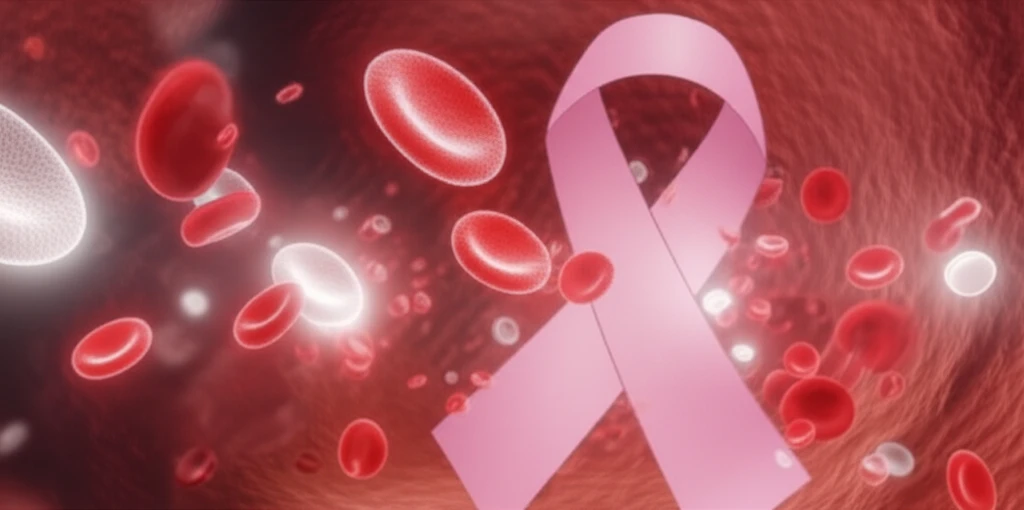
Illustration of bone marrow symbolizing haematological toxicity during cervical cancer treatment.

Cisplatin and Cervical Cancer: What You Need to Know About Haematological Toxicity

"A recent study highlights the risk of haematological toxicity in cervical cancer patients undergoing cisplatin treatment. Understand the signs and how to manage this side effect."


Cervical cancer treatment often involves chemotherapy, with cisplatin being a common and effective drug. However, like many cancer treatments, cisplatin comes with potential side effects. One notable side effect is haematological toxicity, which affects the blood and bone marrow.

A retrospective study from 2009 to 2013 shed light on this issue. The study focused on patients treated for cervical cancer and revealed instances of haematological toxicity linked to cisplatin use. Understanding this risk is crucial for both patients and healthcare providers to ensure the best possible outcomes during cancer treatment.

This article will delve into the study's findings, explaining what haematological toxicity is, how it manifests in cervical cancer patients undergoing cisplatin treatment, and what measures can be taken to manage and mitigate this side effect. The aim is to empower patients with knowledge and support informed discussions with their healthcare teams.

What is Haematological Toxicity and Why Does it Matter?

Illustration of bone marrow symbolizing haematological toxicity during cervical cancer treatment.

Haematological toxicity refers to the damage caused by certain treatments, like chemotherapy, to the blood-forming cells in the bone marrow. This damage can lead to a decrease in the production of red blood cells (anemia), white blood cells (neutropenia), and platelets (thrombocytopenia).

Each of these conditions can have significant consequences:

  • Anemia: Reduced red blood cells lead to fatigue, weakness, and shortness of breath.
  • Neutropenia: A shortage of white blood cells increases the risk of infection, making the body more vulnerable to bacteria, viruses, and fungi.
  • Thrombocytopenia: Low platelet counts can result in easy bruising, prolonged bleeding from cuts, and an increased risk of internal bleeding.
In the context of cervical cancer treatment with cisplatin, recognizing the signs of haematological toxicity is vital. Early detection and management can prevent severe complications and improve the patient's quality of life during and after treatment.

Empowering Patients Through Knowledge

The study highlighting haematological toxicity in cervical cancer patients treated with cisplatin underscores the importance of vigilance and proactive management. Patients should be aware of the potential risks and communicate any unusual symptoms to their healthcare providers promptly.

Regular monitoring of blood counts during cisplatin treatment is essential to detect early signs of haematological toxicity. Supportive care, such as blood transfusions or growth factors to stimulate blood cell production, can help manage the condition and allow patients to continue their cancer treatment effectively.

Ultimately, informed patients are better equipped to navigate their cancer journey. By understanding the potential side effects of treatments like cisplatin, patients can work collaboratively with their healthcare teams to optimize their care and improve their overall well-being.

About this Article -

This article was crafted using a human-AI hybrid and collaborative approach. AI assisted our team with initial drafting, research insights, identifying key questions, and image generation. Our human editors guided topic selection, defined the angle, structured the content, ensured factual accuracy and relevance, refined the tone, and conducted thorough editing to deliver helpful, high-quality information.See our About page for more information.

Everything You Need To Know

1

What is Haematological Toxicity and why is it important in the context of cervical cancer treatment?

Haematological toxicity is damage to the blood-forming cells in the bone marrow, which can occur as a side effect of treatments like chemotherapy, specifically cisplatin in this context. This damage leads to a reduction in red blood cells (anemia), white blood cells (neutropenia), and platelets (thrombocytopenia). The significance lies in its impact on patient health during cervical cancer treatment, as these conditions can cause fatigue, increased risk of infection, and bleeding.

2

What is the role of Cisplatin in cervical cancer treatment, and what is its connection to Haematological Toxicity?

Cisplatin is a chemotherapy drug commonly used to treat cervical cancer. While it's effective in fighting cancer cells, a known side effect is haematological toxicity. The retrospective study examined patients with cervical cancer undergoing cisplatin treatment and found instances of haematological toxicity. This side effect affects the blood and bone marrow, leading to complications such as anemia, neutropenia, and thrombocytopenia. The study's findings emphasize the importance of monitoring and managing this side effect to improve patient outcomes.

3

What are the implications of Anemia, Neutropenia, and Thrombocytopenia in the context of Haematological Toxicity?

The implications of anemia include fatigue, weakness, and shortness of breath due to reduced red blood cells. Neutropenia increases the risk of infection because of a shortage of white blood cells. Thrombocytopenia can lead to easy bruising, prolonged bleeding, and a higher risk of internal bleeding because of low platelet counts. These conditions are serious and can significantly affect a patient's quality of life during treatment and can lead to further complications that could negatively affect treatment.

4

How is Haematological Toxicity detected and managed in patients undergoing cisplatin treatment?

Early detection of haematological toxicity involves recognizing and reporting any unusual symptoms, such as fatigue, fever, signs of infection, or unusual bleeding or bruising, to your healthcare provider. Management includes regular blood tests to monitor blood cell counts. Depending on the severity of the side effects, treatments can range from supportive care, such as blood transfusions, and medications to stimulate blood cell production to, in severe cases, the modification or cessation of the cisplatin treatment. Close monitoring and proactive management are crucial to prevent severe complications and maintain the best possible quality of life.

5

Why is understanding and managing Haematological Toxicity important for those undergoing cisplatin treatment for cervical cancer?

The study's findings highlight the critical need for patients and healthcare providers to be vigilant. This means understanding the potential side effects of cisplatin, which include haematological toxicity, and being proactive in monitoring and managing them. Patients should be aware of symptoms and communicate them promptly. This proactive approach can lead to early detection, timely intervention, and better patient outcomes during cervical cancer treatment. This will help facilitate a more comprehensive care plan.

Newsletter Subscribe

Subscribe to get the latest articles and insights directly in your inbox.