
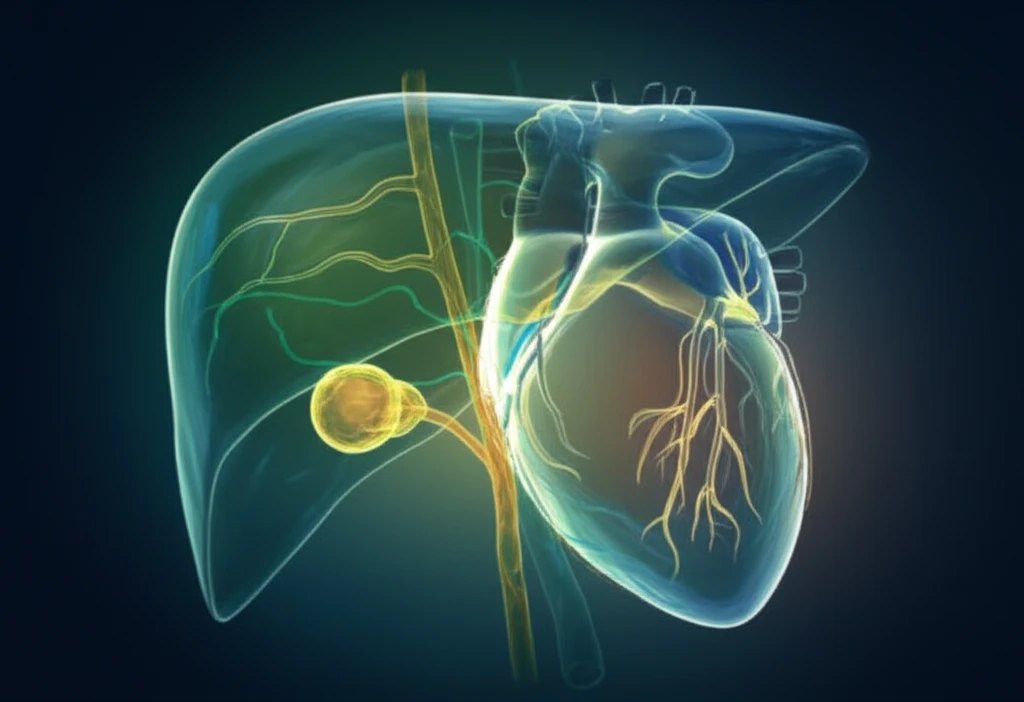
Cirrhosis and Your Heart: Understanding the Risks and What You Can Do

"New research identifies key heart health indicators that can help predict outcomes for people with cirrhosis, offering hope for better management and improved survival rates."
Cirrhosis, a condition where the liver becomes scarred and damaged, is known for its severe impact on liver function. However, many people don't realize that cirrhosis can also significantly affect the heart. This connection, often referred to as cirrhotic cardiomyopathy, can lead to various heart-related complications that worsen overall health outcomes.
Recent research has shed light on how specific heart abnormalities can predict the course of cirrhosis and even influence survival rates. These findings highlight the importance of monitoring heart health in individuals with cirrhosis and taking proactive steps to manage any identified issues. Understanding these risks is the first step in protecting your heart and improving your quality of life.
This article will break down the latest research, explaining which heart indicators are most critical for people with cirrhosis. We'll also explore practical strategies you can discuss with your doctor to safeguard your heart health and enhance your overall well-being. Let’s get started.
What is Cirrhotic Cardiomyopathy and Why Does It Matter?
Cirrhotic cardiomyopathy is a complex condition characterized by impaired heart muscle contractility, changes in heart structure, and electrical abnormalities. This means the heart may not pump blood as efficiently as it should, which can lead to a range of complications. Key features of this condition include:
- Impaired Contractility: The heart muscle doesn't squeeze as strongly.
- Left Ventricular Hypertrophy: The heart's main pumping chamber can become enlarged.
- Diastolic Dysfunction: The heart has trouble relaxing and filling with blood between beats.
- Electrical Abnormalities: Irregular heart rhythms can occur.
Take Charge of Your Heart Health
Living with cirrhosis requires a comprehensive approach to healthcare, and that includes paying close attention to your heart. By staying informed about the risks of cirrhotic cardiomyopathy and working closely with your doctor, you can take proactive steps to protect your heart and improve your overall well-being. Regular monitoring, lifestyle adjustments, and timely interventions can make a significant difference in your long-term health.