
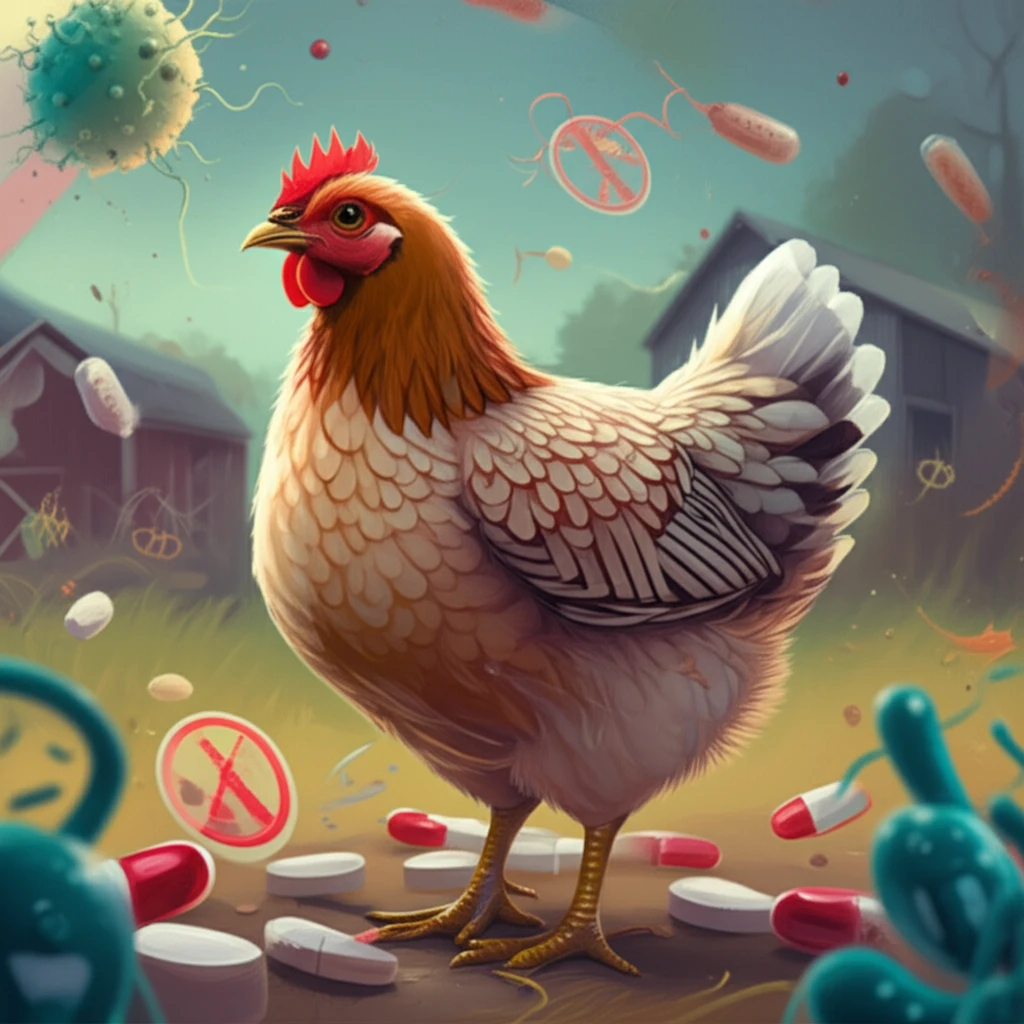
Digital illustration of a chicken surrounded by antibiotic pills, symbolizing antimicrobial resistance in poultry farming.

Chicken's Silent Threat: Understanding Antimicrobial Resistance in Poultry and Protecting Your Plate

"Unveiling the Hidden Risks: How Antibiotic Resistance in Chickens Impacts Our Health and What We Can Do"


In an era where health and wellness are at the forefront of our minds, the subtle yet significant issue of antimicrobial resistance in poultry is gaining attention. This hidden threat, fueled by the widespread use of antibiotics in chicken farming, poses a significant risk to human health. As we enjoy our favorite chicken dishes, it's essential to understand the potential dangers lurking within the food chain and how they could impact our families.

This article delves into the core of the problem, offering a comprehensive look at the current state of antimicrobial resistance in chickens. We'll examine the science behind it, the potential risks to human health, and the urgent need for informed action. By uncovering these critical insights, you'll be empowered to make well-informed decisions about your food choices and join the growing movement to support sustainable and healthy practices.

The information is designed to be accessible and informative, providing a clear and actionable understanding of the issues. Join us as we explore this critical topic and equip you with the knowledge needed to navigate the complexities of our food system.

The Alarming Rise of Antimicrobial Resistance in Chickens: What's Happening?

Digital illustration of a chicken surrounded by antibiotic pills, symbolizing antimicrobial resistance in poultry farming.

Recent studies, such as the one conducted by Sati Samuel Ngulukun and colleagues, have brought to light the increasing prevalence of antimicrobial resistance in chickens. Their research focused on the resistance profiles of Campylobacter jejuni and Campylobacter coli, two bacteria commonly found in chickens, in a diagnostic laboratory in Nigeria. The findings are a stark illustration of a worldwide trend: antibiotics, essential in the fight against bacterial infections, are becoming less effective due to overuse and misuse.

The study revealed high levels of resistance to common antibiotics like ciprofloxacin, nalidixic acid, tetracycline, and trimethoprim/sulphamethoxazole. This means that these antibiotics, which are designed to kill or inhibit the growth of bacteria, are no longer working as effectively against these specific strains of bacteria found in chickens. Consequently, infections are harder to treat, and the risk of these resistant bacteria spreading to humans increases.

  • Overuse of Antibiotics: The widespread use of antibiotics in poultry farming, often for growth promotion or to prevent disease, contributes significantly to the development of resistance.
  • Multi-Drug Resistance: Many isolates exhibit resistance to multiple antibiotics, complicating treatment options and increasing the potential for serious infections.
  • Global Implications: These findings echo similar trends worldwide, highlighting the global nature of the problem and the need for collaborative solutions.
The core issue is straightforward: the more antibiotics are used, the more opportunities bacteria have to adapt and evolve, becoming resistant. This isn't just a problem in Nigeria; it's a global concern, impacting food safety and public health worldwide. The research emphasizes the critical need for a shift in how antibiotics are used in poultry farming, advocating for responsible practices that prioritize both animal and human well-being.

Taking Action: Protecting Your Health and Supporting Sustainable Practices

Understanding the issue of antimicrobial resistance in chickens is the first step toward creating positive change. By making informed choices, supporting sustainable farming practices, and advocating for responsible antibiotic use, we can help protect our health and safeguard the future of our food supply. This is not just about what's on your plate, it is about a commitment to a healthier, more sustainable future for all. Your choices today can pave the way for a healthier tomorrow.

About this Article -

This article was crafted using a human-AI hybrid and collaborative approach. AI assisted our team with initial drafting, research insights, identifying key questions, and image generation. Our human editors guided topic selection, defined the angle, structured the content, ensured factual accuracy and relevance, refined the tone, and conducted thorough editing to deliver helpful, high-quality information.See our About page for more information.

This article is based on research published under:

DOI-LINK: 10.5897/ajmr2015.7713, Alternate LINK

Title: Antimicrobial Resistance Of Campylobacter Jejuni And Campylobacter Coli Isolated From Chickens In A Diagnostic Laboratory

Subject: Infectious Diseases

Journal: African Journal of Microbiology Research

Publisher: Academic Journals

Authors: Samuel Ngulukun Sati, Ike Oboegbulem Stephen, Fagbamila Idowu, Barde Israel

Published: 2015-10-28

Everything You Need To Know

1

What is antimicrobial resistance in chickens, and why is it a concern?

Antimicrobial resistance in chickens refers to the ability of bacteria, like *Campylobacter jejuni* and *Campylobacter coli*, commonly found in chickens, to withstand the effects of antibiotics. This is concerning because when chickens carry these resistant bacteria, infections in humans that might have been easily treated with antibiotics become more difficult, or even impossible, to treat. The overuse of antibiotics in poultry farming contributes to this resistance, posing a significant threat to public health. The study by Sati Samuel Ngulukun and colleagues illustrates this problem, showing high resistance to common antibiotics. The problem is not just the rise of resistance, but the rise of multi-drug resistance which complicates treatment options and increases the potential for serious infections.

2

How does the overuse of antibiotics in chicken farming contribute to antimicrobial resistance?

The widespread use of antibiotics in poultry, often for growth promotion or disease prevention rather than treating specific infections, creates an environment where bacteria can adapt and evolve to survive antibiotic exposure. This selective pressure allows resistant strains of bacteria to thrive and multiply, while susceptible strains are killed off. As a result, a higher proportion of bacteria in chickens become resistant to antibiotics. This is particularly true for bacteria like *Campylobacter jejuni* and *Campylobacter coli*. This resistance can then spread to humans through the consumption of contaminated chicken or through direct contact with chickens or their environment. Reducing the use of antibiotics in chicken farming is essential to slow down the development and spread of antimicrobial resistance.

3

What are some specific antibiotics that *Campylobacter jejuni* and *Campylobacter coli* have shown resistance to in chickens?

Research, such as the study by Sati Samuel Ngulukun and colleagues, has found that *Campylobacter jejuni* and *Campylobacter coli* in chickens exhibit high levels of resistance to antibiotics like ciprofloxacin, nalidixic acid, tetracycline, and trimethoprim/sulphamethoxazole. These antibiotics are commonly used to treat bacterial infections in both animals and humans. The resistance to these specific drugs means that infections caused by these bacteria in humans are becoming increasingly difficult to treat effectively. The global implications of these findings are significant, highlighting the urgent need for alternative strategies to combat bacterial infections and reduce the reliance on antibiotics in poultry farming.

4

What steps can consumers take to protect themselves from antimicrobial-resistant bacteria in chicken?

Consumers can take several steps to minimize their risk of exposure to antimicrobial-resistant bacteria from chickens. Firstly, practicing safe food handling techniques, such as thoroughly cooking chicken to a safe internal temperature, can kill harmful bacteria. It's also crucial to prevent cross-contamination by washing hands and surfaces after handling raw chicken. Secondly, supporting sustainable and responsible farming practices by purchasing chicken from producers who use antibiotics judiciously can help reduce the overall prevalence of antimicrobial resistance. Lastly, staying informed about the issue and advocating for policies that promote responsible antibiotic use in agriculture can contribute to long-term solutions. While individual choices can help, collective action and policy changes are needed to address the root causes of antimicrobial resistance.

5

Beyond individual actions, what broader solutions are needed to address antimicrobial resistance in poultry farming?

Addressing antimicrobial resistance in poultry farming requires a multi-faceted approach involving governments, industry, and consumers. Stricter regulations on antibiotic use in poultry are needed, limiting their use to treating specific infections under veterinary supervision, rather than for growth promotion or routine prevention. Promoting and incentivizing the adoption of alternative farming practices that prioritize animal health and hygiene, reducing the need for antibiotics, is also crucial. Furthermore, investing in research to develop new antimicrobials and alternative therapies, such as vaccines or phage therapy, can provide additional tools to combat bacterial infections. Finally, raising public awareness about the issue and the importance of responsible antibiotic use can drive demand for sustainably produced poultry and support policies that promote antimicrobial stewardship. The findings from studies like the one conducted by Sati Samuel Ngulukun and colleagues serve as a reminder of the urgent need for action to protect public health.

Newsletter Subscribe

Subscribe to get the latest articles and insights directly in your inbox.