
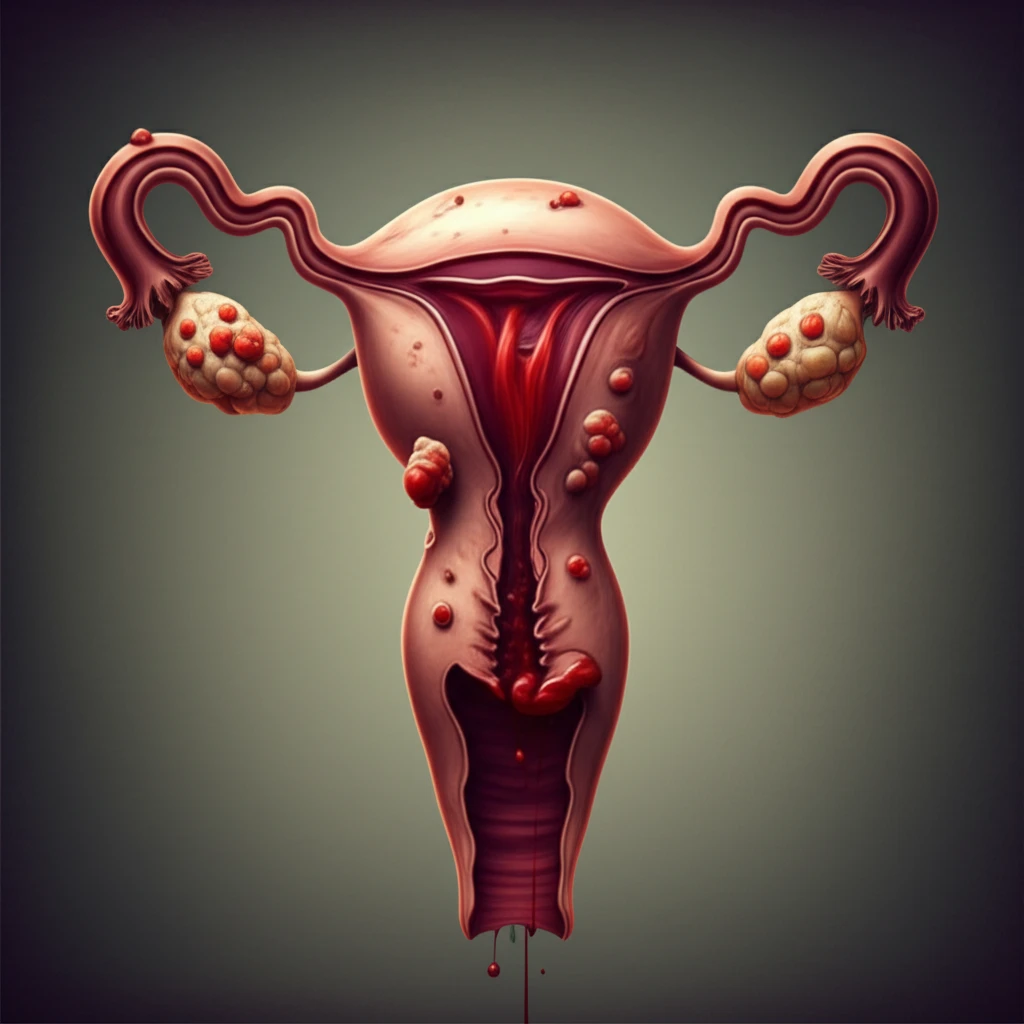
Illustration of a uterus with fibroids, with a cesarean scar, and abnormal uterine bleeding, symbolizing the research findings.

Cesarean Section and Beyond: Unveiling the Hidden Risks of Uterine Bleeding

"New research sheds light on how a common delivery method might increase the risk of abnormal uterine bleeding, and what women should know."


For countless women, the journey of childbirth is marked by joy, anticipation, and the promise of new beginnings. However, for some, the aftermath can bring unexpected health challenges. New research is illuminating a potential link between cesarean sections, a common surgical procedure, and an increased risk of abnormal uterine bleeding, a condition that can significantly impact a woman's quality of life.

Abnormal uterine bleeding, characterized by heavy or irregular menstrual cycles, is a widespread issue. While various factors contribute to this condition, a groundbreaking study published in the Saudi Medical Journal explores a surprising connection: the potential impact of a previous cesarean section. This article is based on an in-depth analysis of this important research.

Understanding this connection is essential. The findings of this study not only shed light on a previously less-recognized risk factor but also emphasize the need for greater awareness and proactive management of women's health, particularly in the context of childbirth and its long-term effects. Let's explore the study's key insights.

Decoding the Study: What the Research Reveals

Illustration of a uterus with fibroids, with a cesarean scar, and abnormal uterine bleeding, symbolizing the research findings.

The study, a retrospective analysis, examined the medical records of patients who had undergone hysterectomies due to uterine leiomyomas (also known as uterine fibroids). Conducted over a six-year period, the research aimed to determine if a history of cesarean section was associated with abnormal uterine bleeding in these patients. The researchers meticulously compared the experiences of women with fibroids who experienced abnormal bleeding to those who did not.

The results were quite revealing. The study found that women with a history of cesarean section were more likely to experience abnormal uterine bleeding compared to those who had other symptoms. This suggests that a previous cesarean delivery may indeed be a significant risk factor for this condition. Furthermore, the study also highlighted the role of other factors, such as the presence of submucosal leiomyomas and coexisting adenomyosis, in increasing the risk of abnormal bleeding. This is a clear indication of the various layers of complexity in women's health.

  • Cesarean Section History: Women with a history of cesarean section had a higher likelihood of experiencing abnormal uterine bleeding.
  • Submucosal Leiomyomas: The presence of these fibroids was also associated with an increased risk.
  • Adenomyosis: This condition, where the uterine lining grows into the muscle wall of the uterus, was another contributing factor.
These findings emphasize the need to consider a woman's obstetric history, alongside other factors, when evaluating and managing abnormal uterine bleeding. The research team also highlighted other interesting findings, such as variations in the size and location of the fibroids in different patient groups. This provides a more comprehensive picture for medical professionals who are responsible for evaluating, understanding, and treating these conditions.

Empowering Women: A Call to Awareness and Action

The implications of this research extend beyond the medical field, offering crucial insights for women. This study underscores the importance of understanding your medical history, including previous deliveries and any associated complications. If you experience abnormal uterine bleeding, discussing your history with your healthcare provider is critical. Early diagnosis and proactive management can significantly improve the quality of life and help you make well-informed health decisions. This research reinforces that knowledge empowers us to take control of our health journey.

About this Article -

This article was crafted using a human-AI hybrid and collaborative approach. AI assisted our team with initial drafting, research insights, identifying key questions, and image generation. Our human editors guided topic selection, defined the angle, structured the content, ensured factual accuracy and relevance, refined the tone, and conducted thorough editing to deliver helpful, high-quality information.See our About page for more information.

This article is based on research published under:

DOI-LINK: 10.15537/smj.2016.8.14711, Alternate LINK

Title: Is A History Of Cesarean Section A Risk Factor For Abnormal Uterine Bleeding In Patients With Uterine Leiomyoma?

Subject: General Medicine

Journal: Saudi Medical Journal

Publisher: Saudi Medical Journal

Authors: Tugba Kinay, Zehra O. Basarir, Serap F. Tuncer, Funda Akpinar, Fulya Kayikcioglu, Sevgi Koc, Jale Karakaya

Published: 2016-08-01

Everything You Need To Know

1

What is the key finding regarding cesarean sections and abnormal uterine bleeding?

The study revealed a significant association between a history of Cesarean Section and an increased risk of abnormal uterine bleeding. Women who had previously undergone a Cesarean Section were more likely to experience this condition compared to those without this obstetric history. This highlights a previously less-recognized risk factor and underscores the importance of considering a woman's medical history when evaluating and managing abnormal uterine bleeding.

2

Beyond Cesarean sections, what other factors were identified as increasing the risk of abnormal uterine bleeding?

The research identified several other factors that contribute to the risk of abnormal uterine bleeding. The presence of Submucosal Leiomyomas (uterine fibroids located just beneath the uterine lining) and Adenomyosis (a condition where the uterine lining grows into the muscle wall of the uterus) were also found to increase the risk. These findings underscore the complexity of women's health and the interplay of various factors.

3

How does this research impact women's health awareness and management?

This research emphasizes the importance of understanding your medical history, especially in relation to childbirth. Women are encouraged to discuss their obstetric history, including previous deliveries and any complications, with their healthcare providers if they experience abnormal uterine bleeding. Early diagnosis and proactive management, informed by a comprehensive understanding of potential risk factors like Cesarean Section, can significantly improve quality of life and enable women to make informed health decisions.

4

What methodology was used in the study to investigate the link between Cesarean sections and abnormal uterine bleeding?

The study employed a retrospective analysis, examining the medical records of patients who had undergone hysterectomies due to uterine leiomyomas (uterine fibroids). The research spanned a six-year period and compared the experiences of women with fibroids who experienced abnormal uterine bleeding to those who did not. This approach allowed researchers to determine if a history of Cesarean Section was associated with abnormal uterine bleeding in these patients, providing valuable insights into the connection between the two.

5

In practical terms, what should a woman do if she experiences abnormal uterine bleeding, especially if she has a history of Cesarean section?

If a woman experiences abnormal uterine bleeding, particularly if she has a history of Cesarean Section, she should proactively consult her healthcare provider. During this consultation, she should openly discuss her medical history, including details of previous deliveries and any associated complications. The healthcare provider can then evaluate her condition, considering factors such as a history of Cesarean Section, the presence of Submucosal Leiomyomas, and Adenomyosis, to provide an accurate diagnosis and develop a suitable management plan. This proactive approach ensures early intervention and improves the chances of effective treatment.

Newsletter Subscribe

Subscribe to get the latest articles and insights directly in your inbox.