
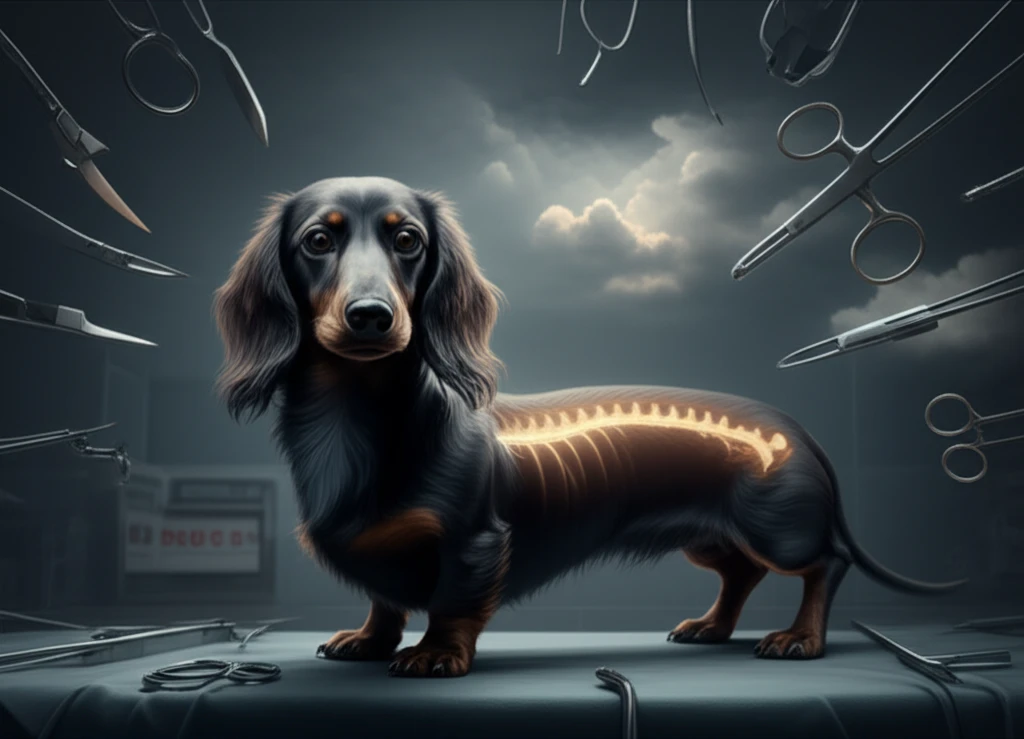
Cervical Disc Surgery Gone Wrong: What Pet Owners Need to Know

"A cautionary tale of a dog's spinal surgery highlights the importance of early intervention and specialized care for canine disc disease."
Intervertebral disc disease (IVDD) in the cervical region is a common issue in dogs, accounting for around 15% of all disc extrusions in the species. Smaller breeds, especially those with chondrodystrophic features like Dachshunds, are particularly prone to this condition. While IVDD can occur in any breed, Dachshunds, Beagles, and Poodles make up a significant percentage of cervical disc extrusion cases.
The primary symptom of cervical IVDD is severe neck pain, often unresponsive to medication. Neurological signs related to spinal cord compression or nerve root impingement may also be present, including tetraparesis (weakness in all four limbs) or lameness in a front leg. While conservative treatment (strict cage rest and anti-inflammatory medication) can be effective for some patients, surgery is often necessary for those with significant neurological deficits.
This article will delve into a case study showcasing the potential risks and complications associated with surgical intervention for chronic cervical IVDD in dogs. By understanding the challenges and potential pitfalls, pet owners can make more informed decisions about their furry friend's care.
When Waiting Worsens the Outcome: Understanding the Risks of Delayed Surgery
The most common surgical procedure for cervical IVDD is ventral spondylectomy, which involves creating a small opening in the vertebrae to access and remove the herniated disc material. However, if surgery is delayed for several weeks, the disc material can harden and adhere to the dura mater (the protective membrane surrounding the spinal cord). This makes removal more difficult and increases the risk of complications.
- During the procedure, while removing the herniated disc material, severe hemorrhage from the venous sinuses occurred.
- Meningeal detachment with medullary laceration (tearing of the spinal cord) was observed.
- The dog's cardiovascular and respiratory parameters deteriorated rapidly.
- Despite resuscitation attempts, the dog died due to complications from the surgery.
Key Takeaways: Protecting Your Dog from IVDD Risks
This case highlights the critical need for early and accurate diagnosis of IVDD in dogs. If your dog exhibits signs of neck pain, weakness, or neurological deficits, seek immediate veterinary attention from a specialist experienced in spinal disorders.
Prompt surgical intervention is often crucial for dogs with moderate to severe neurological deficits. Delays in treatment can lead to hardening of the disc material and increased adhesion to the dura mater, making surgery more challenging and increasing the risk of complications.
While ventral spondylectomy is a common and often successful procedure, it is not without risks. Discuss the potential complications with your veterinarian and ensure they have the expertise and resources to manage any unforeseen issues. Ultimately, proactive and informed decision-making is key to ensuring the best possible outcome for your beloved canine companion.