
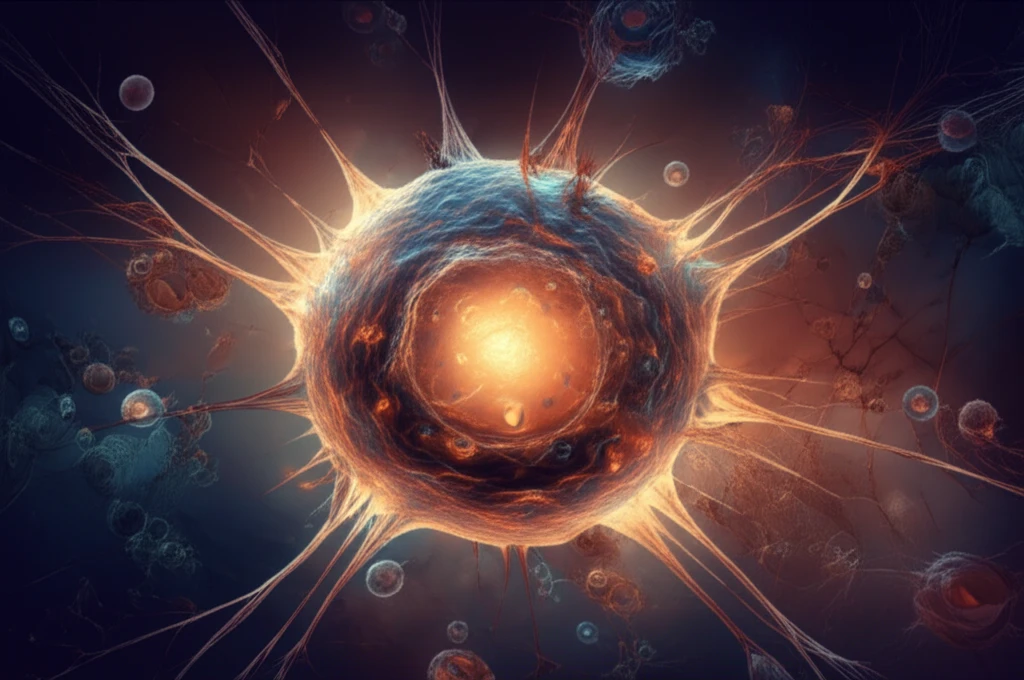
Cellular Tolerance: How Stress Can Make You Stronger

"Unlocking the Secrets of Cellular Resilience for a Healthier, More Resilient You"
Our bodies are constantly adapting to changes in the environment, developing mechanisms to protect us from harm. One fascinating area of research explores how cells become tolerant to stress, essentially growing stronger after exposure to adverse conditions. This concept, inspired by Friedrich Nietzsche's famous quote, has significant implications for our understanding of health, aging, and disease.
Scientists are investigating how sublethal exposure to stressors, such as oxidative stress during cardiac or nervous system ischemic injury, can trigger the expression of protective genes and proteins. These cellular responses not only guard against the initial stressor but may also offer broader protection against future insults.
This article delves into recent research highlighting the ability of cells and organisms to withstand detrimental changes in their environment. We'll explore the roles of key cellular pathways and external factors in building resilience and promoting longevity.
Autophagy: The Cell's Recycling System
Autophagy, a process where cells break down and recycle their components, plays a critical role in maintaining cellular health and promoting tolerance. Research suggests that under certain conditions, like starvation, autophagy is essential for cell development, differentiation, and survival.
- Autophagy is essential for cell development, differentiation, and survival.
- Under specific circumstances, pathways of autophagy may lead to cell degradation.
- The effects of acetyldehyde also have strong impact on the ability of a cell to tolerate.
Building Resilience: A Holistic Approach
Research highlights the significance of antioxidant defenses in protecting against acute injury and promoting long-term health. By understanding the mechanisms of anoxic tolerance, we can identify strategies to enhance cellular resilience and longevity.
Factors like gender, exposure to environmental toxins, and metabolic parameters associated with diabetes can all influence vascular health and tolerance. Addressing these factors through lifestyle modifications and targeted interventions can improve outcomes for patients with coronary artery disease.
Ultimately, tolerance is a complex process influenced by the environment, genetics, and intrinsic cellular pathways. By understanding these intricate interactions, we can unlock new strategies for promoting cellular resilience, preventing disease, and extending healthy lifespans.