
Cell Death Decoded: How Our Cells Battle Deadly Bacteria & Win!

"Scientists Discover a 'Dock-and-Lock' Mechanism That Helps Cells Fight Infections and Stay Alive."
Our bodies are constantly under siege from microscopic invaders, and among the most dangerous are bacteria. These tiny organisms can cause serious infections, but our cells are not defenseless. They have evolved complex defense mechanisms to protect us. A recent groundbreaking study has shed light on one such mechanism, revealing how cells recognize and combat bacterial threats.
The research, published in Cell Reports, focused on the battle against Staphylococcus aureus, a bacterium responsible for a range of infections. The study highlights a 'dock-and-lock' mechanism that helps cells target and eliminate harmful toxins produced by these bacteria. This discovery offers a new understanding of how cells survive and recover from bacterial attacks.
This article delves into the fascinating details of this mechanism, exploring how it works, why it matters, and what implications it might have for future treatments. We'll unpack the science behind the 'dock-and-lock' system and explore how it could revolutionize our ability to fight infections.
The 'Dock-and-Lock' Mechanism: A Cellular Defense System
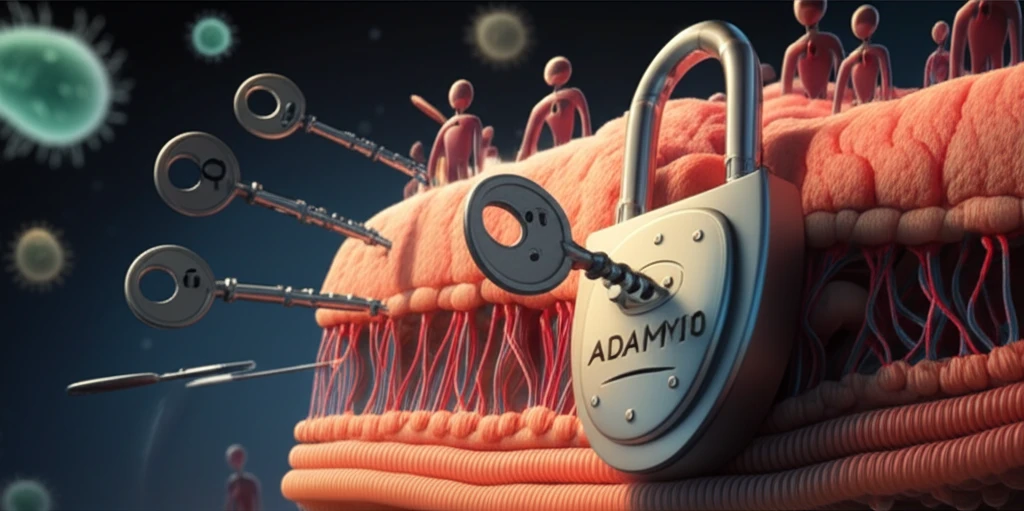
The core of this defense system revolves around a specific receptor called ADAM10. This receptor acts like a lock, waiting to bind with a key, which in this case, is a toxin from S. aureus. Once the toxin binds, it initiates a cascade of events that can lead to cell death. However, the 'dock-and-lock' mechanism provides a strategic advantage to the cell.
- PLEKHA7: It anchors the ADAM10 to cell junctions, making the receptor readily available to bind with the toxin.
- PDZD11: This protein acts as a key component of the anchoring system.
- Tspan33: Helps docking ADAM10 to junctions by binding to the WW domain of PLEKHA7
Implications for the Future of Infection Treatment
This discovery opens exciting avenues for future research and potential treatments. The 'dock-and-lock' mechanism could be targeted to boost the cell's natural defenses. By manipulating this system, scientists might be able to enhance our cells' ability to fight off bacterial infections and prevent the severe outcomes. Furthermore, this research provides a better understanding of how cells respond to threats, leading to more effective strategies for combating bacterial infections and improving human health.