
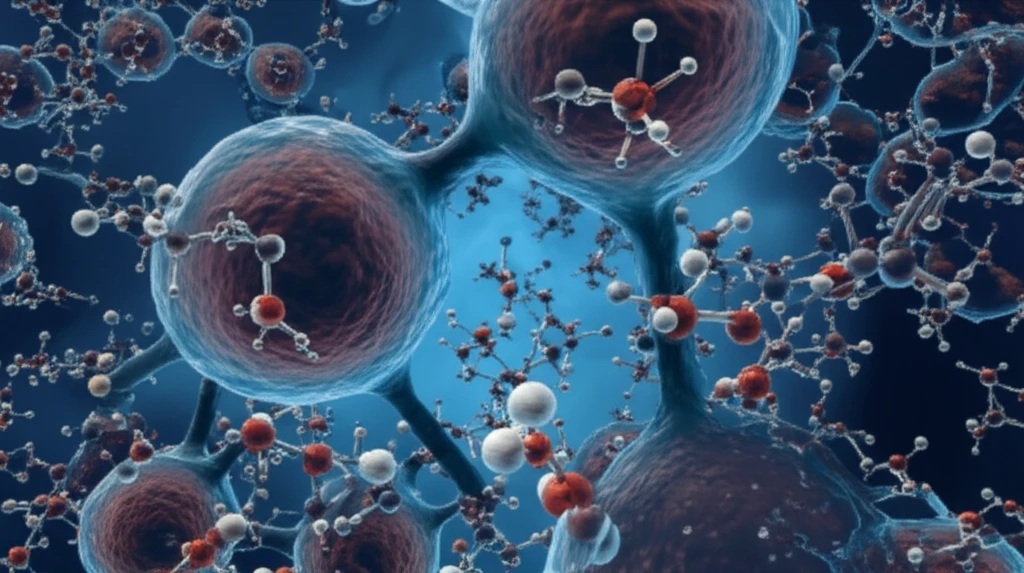
Microscopic cells forming a cityscape with formalin molecules as supports.

Cell Block Conundrum: Unlocking Better Cancer Tests with the Right Fixative

"Is Formalin the Key to More Accurate Cytology?"


Cytology plays a vital role in diagnosing suspicious nodules and masses, particularly in the lung and pancreaticobiliary tracts. Analyzing these samples often requires ancillary tests like immunohistochemistry and molecular diagnostics to pinpoint the specific type and characteristics of any cancerous cells present. These tests guide treatment decisions and improve patient outcomes.

Cell block preparations, created from cellular material, are a popular choice for ancillary testing. However, the success of these tests hinges on the cell block's cellularity – the number of cells present within the sample. A higher cellularity generally leads to more accurate and reliable results.

Researchers at the University of Missouri investigated how different fixatives, specifically formalin and CytoLyt, impact cell block cellularity. Their findings reveal a crucial difference that could influence the accuracy and effectiveness of cancer diagnostics.

Formalin vs. CytoLyt: A Cellularity Showdown

Microscopic cells forming a cityscape with formalin molecules as supports.

The study involved analyzing 46 pairs of cell block specimens, each prepared using both formalin and CytoLyt fixatives. Two cytopathologists, blinded to the fixative used, independently assessed the overall cellularity of each sample by manually counting cells. Statistical analysis was then used to compare the cellularity achieved with each fixative.

The results showed a clear trend: cell blocks prepared with formalin consistently exhibited higher cellularity compared to those prepared with CytoLyt. This difference suggests that formalin fixation optimizes the number of cells available for analysis.

  • Formalin: Yields significantly greater cellularity in cell blocks.
  • CytoLyt: Results in lower cellularity compared to formalin.
While both fixatives are commonly used, the study highlights a potential advantage of formalin in maximizing the cellular content of cell blocks, which is crucial for downstream applications like molecular testing and immunohistochemistry.

Optimizing Cell Blocks for Better Cancer Diagnostics

The researchers suggest that the lower cellularity observed with CytoLyt may be due to its mucolytic and hemolytic agents, which could reduce cell retrieval during processing. Formalin lacks these agents, potentially preserving more cells during cell block preparation.

Adequate cellularity is especially critical when performing molecular testing, where a sufficient amount of DNA is needed for accurate analysis. The study reinforces the importance of carefully considering the fixative used in cell block preparation to ensure optimal results.

By maximizing cellularity through formalin fixation, laboratories can improve the reliability and accuracy of ancillary tests, ultimately contributing to more informed diagnoses and treatment strategies for cancer patients. Further research is needed to explore the impact of different fixatives on specific molecular markers and downstream applications.

About this Article -

This article was crafted using a human-AI hybrid and collaborative approach. AI assisted our team with initial drafting, research insights, identifying key questions, and image generation. Our human editors guided topic selection, defined the angle, structured the content, ensured factual accuracy and relevance, refined the tone, and conducted thorough editing to deliver helpful, high-quality information.See our About page for more information.

This article is based on research published under:

DOI-LINK: 10.1002/dc.24118, Alternate LINK

Title: Cell Block Cellularity: A Comparison Of Two Fixatives And Their Impact On Cellularity

Subject: General Medicine

Journal: Diagnostic Cytopathology

Publisher: Wiley

Authors: Lester J. Layfield, Magda Esebua, Jonathan Ang, Mohammed M. Alnijoumi, Harijyot S. Sohal, Richard D. Hammer, Nitya Prabhakaran, Robert L. Schmidt

Published: 2018-11-23

Everything You Need To Know

1

What role does cytology play in cancer diagnosis, and what are cell blocks?

Cytology is the microscopic study of cells and plays a crucial role in diagnosing suspicious nodules and masses, especially in the lung and pancreaticobiliary tracts. It often requires ancillary tests like immunohistochemistry and molecular diagnostics to identify cancerous cells, which ultimately guides treatment decisions and improves patient outcomes. Cell block preparations are created from cellular material and are favored for ancillary testing. The cellularity of cell blocks, referring to the number of cells present, significantly impacts the accuracy and reliability of results.

2

How do formalin and CytoLyt compare in terms of cell block cellularity?

Formalin fixation optimizes the number of cells available for analysis in cell blocks, yielding significantly greater cellularity compared to CytoLyt. CytoLyt, on the other hand, results in lower cellularity. This difference highlights a potential advantage of formalin in maximizing the cellular content of cell blocks, which is essential for downstream applications like molecular testing and immunohistochemistry.

3

What explains the difference in cellularity between cell blocks prepared with formalin versus CytoLyt?

The lower cellularity observed with CytoLyt may be attributed to its mucolytic and hemolytic agents, which could reduce cell retrieval during processing. Formalin lacks these agents, potentially preserving more cells during cell block preparation. The research from the University of Missouri underscores that fixative choice can impact the accuracy and effectiveness of cancer diagnostics by influencing cell block cellularity.

4

Besides cell counts, how do immunohistochemistry and molecular diagnostics relate to cell block analysis, and why is cellularity important for these tests?

Immunohistochemistry is a technique used to visualize specific antigens or proteins in cells within a tissue sample. It is an important ancillary test used in Cytology and cell block analysis to identify the type and characteristics of cancerous cells. Molecular diagnostics involves analyzing DNA, RNA, or other molecules to detect genetic mutations or other molecular markers that can aid in cancer diagnosis, prognosis, and treatment selection. Both immunohistochemistry and molecular diagnostics rely on adequate cellular material, making cell block cellularity critical for accurate results.

5

Are there other fixatives used in cytology besides formalin and CytoLyt, and what other factors might influence the quality of cell blocks for cancer diagnostics?

While the focus is on Formalin and CytoLyt, other fixatives are used in cytology and cell block preparation. Each fixative has unique properties that can affect cell morphology, antigen preservation, and molecular integrity. Factors such as fixation time, temperature, and tissue type can also influence the quality of cell blocks. Further research and optimization of fixation protocols are needed to ensure accurate and reliable results in cancer diagnostics using cytology and cell blocks.

Newsletter Subscribe

Subscribe to get the latest articles and insights directly in your inbox.