
Celebrating Art in Medicine: The Medical Artists' Association's Gold Award Winner

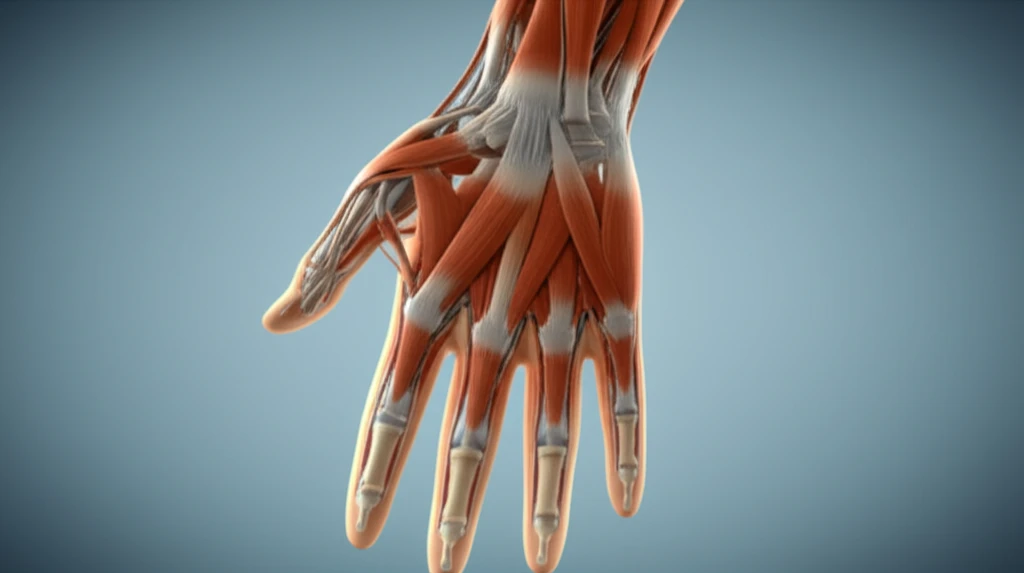
"Discover the stunning 3D illustration by Matt Briggs that won the Medical Artists' Association's prestigious Gold Award, showcasing the intersection of art and anatomical science."
The intersection of art and medicine offers a unique perspective on understanding the human body. The Medical Artists' Association (MAA) recognizes outstanding contributions in this field, and their annual conference showcases the best talent in medical illustration.
At the 66th annual MAA conference, one piece stood out: a stunning 3D illustration by Matt Briggs. This illustration was not only visually impressive, but also demonstrated a deep understanding of anatomy and artistic technique, earning it the Gold Award in the members' exhibition.
This article delves into Briggs' award-winning illustration, exploring his artistic journey, the tools he employed, and the intricate details that made his work a standout example of medical art. We will uncover how Briggs seamlessly blends artistic skill with scientific accuracy.
Matt Briggs: Crafting Art from Anatomy
Matt Briggs is an accomplished designer and illustrator with a background in scientific illustration. He honed his skills at Blackpool and the Fylde College. Briggs embraced Blender, a free and open-source 3D application, around 10 years ago. This allowed him to explore 3D animation without the financial burden of expensive mainstream software.
- Years of experience as a designer and illustrator
- Formal training in scientific illustration
- Proficiency in Adobe Photoshop and Illustrator
- Extensive use of Blender for 3D modelling
- Mastery of rendering engines and shading techniques
The Enduring Appeal of Medical Art
Matt Briggs' Gold Award-winning illustration exemplifies the power of art in medical communication. By combining artistic skill with anatomical knowledge, he has created a work that is both visually stunning and scientifically informative.
Medical illustrations like this play a crucial role in education, research, and patient understanding. They offer a clear and engaging way to visualize complex anatomical structures and medical procedures.
As technology advances, we can expect to see even more innovative uses of 3D art and animation in medicine, further enhancing our understanding of the human body and improving healthcare outcomes.