
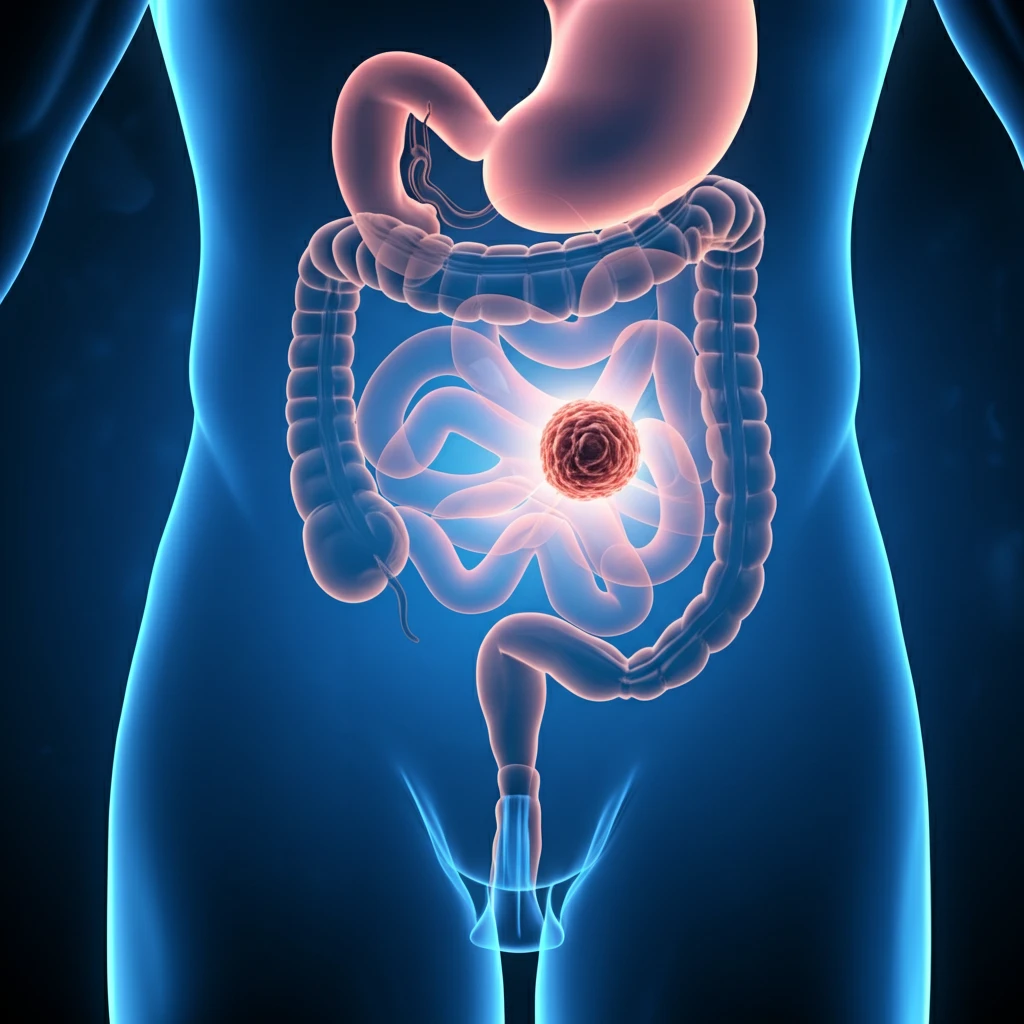
Cecal Epidermoid Cysts: Why Early Detection is Key for Your Digestive Health

"Discover the rare yet significant condition of epidermoid cysts in the cecum, their causes, diagnosis, and why timely intervention is crucial."
In the vast landscape of medical anomalies, some conditions stand out due to their rarity and diagnostic challenges. One such condition is the epidermoid cyst of the cecum. While benign, understanding its nature, origin, and the importance of early detection is essential for effective management and overall digestive health.
Epidermoid cysts, in general, are benign formations arising from the embryonic ectoderm. Histologically, they consist of a thin layer of squamous epithelium. However, when these cysts occur in the cecum, the first part of the large intestine, they become exceptionally rare, making their diagnosis and treatment a unique medical scenario.
This article delves into the intricacies of cecal epidermoid cysts, drawing from medical research and case studies to provide a comprehensive overview. We'll explore their origins, how they're detected, and why understanding this condition can empower you to take proactive steps for your digestive health.
What Exactly is a Cecal Epidermoid Cyst and How Does it Form?
Cecal epidermoid cysts are benign tumors that develop from the occlusion of epidermal elements, which then fill with keratin and lipid-rich residues. These cysts are characterized by a thin layer of squamous epithelium. While epidermoid cysts can occur in various parts of the body, their presence in the cecum is notably rare.
- Congenital Origin: These cysts may arise from the sequestration of squamous epithelium during embryonic development. This means that during the formation of the digestive system, some skin-like cells get trapped and later develop into a cyst.
- Trauma or Surgery: In some instances, epidermoid cysts can form as a result of trauma or previous surgical procedures. The implantation of epidermal elements during these events can lead to cyst formation.
- Metaplasia: There are theories suggesting that these cysts can also arise from the squamous metaplasia of enterogenous cysts or teratomas, which are other types of growths in the body.
The Importance of Awareness and Early Detection
While cecal epidermoid cysts are rare, understanding their characteristics and potential symptoms is crucial for early detection and appropriate management. If you experience persistent abdominal discomfort or notice any unusual changes in your digestive health, consult with a healthcare professional. With timely diagnosis and intervention, individuals can effectively manage this condition and maintain optimal digestive well-being.