
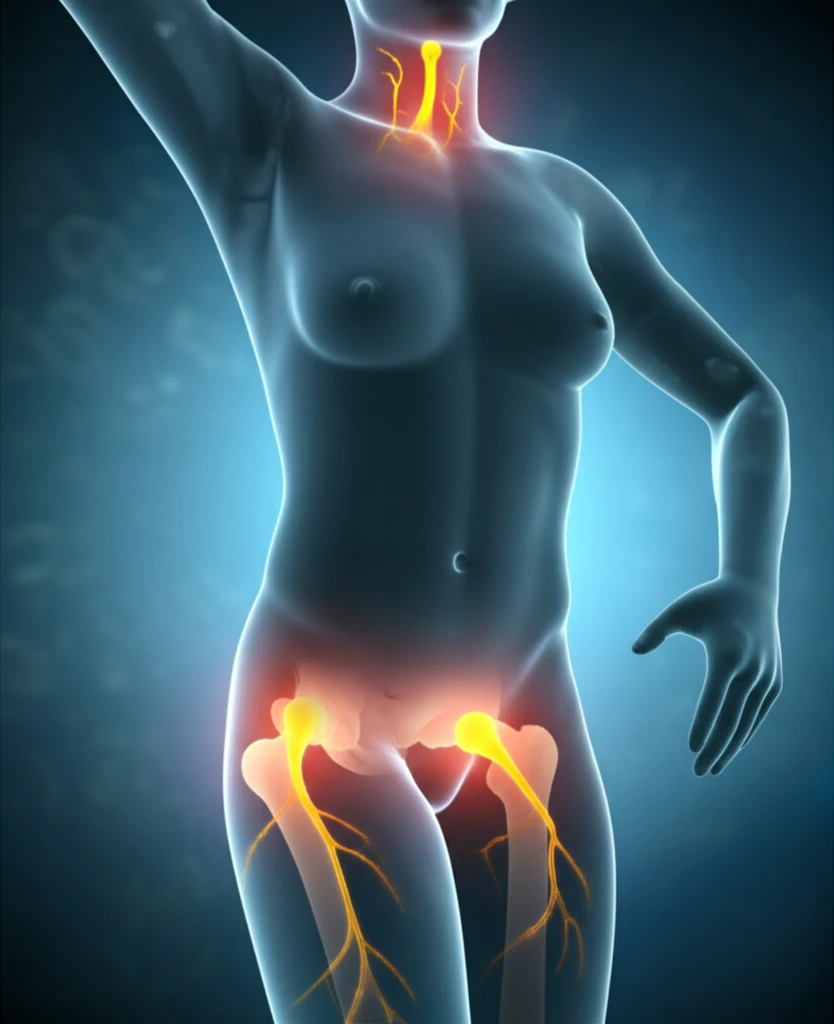
Illustration depicting symptoms of Castleman Disease.

Castleman Disease: Unveiling a Rare Condition and What You Need to Know

"Understanding the Symptoms, Diagnosis, and Management of Castleman Disease, a Rare Lymphoproliferative Disorder"


October 26, 2023. Imagine experiencing persistent fatigue, unexplained weight loss, and swollen lymph nodes. These symptoms could point to a variety of conditions, but in rare instances, they could be indicative of Castleman Disease, an uncommon disorder affecting the lymphatic system. This article aims to provide a comprehensive overview of Castleman Disease, shedding light on its nature, symptoms, diagnosis, and management.

Castleman Disease, also known as giant lymph node hyperplasia or angiofollicular lymph node hyperplasia, is a group of disorders characterized by the overgrowth of cells in the lymph nodes. While it is a rare condition, understanding its various forms and potential complications is crucial for early diagnosis and effective treatment. This article will guide you through the key aspects of Castleman Disease, empowering you with knowledge and insights.

This article is designed to provide information and support, not to provide medical advice. Always consult with a qualified healthcare professional for any health concerns or before making any decisions related to your health or treatment.

Deciphering Castleman Disease: Forms, Symptoms, and Diagnostic Approaches

Illustration depicting symptoms of Castleman Disease.

Castleman Disease manifests in two primary forms: unicentric and multicentric. Unicentric Castleman Disease affects a single lymph node or a localized group of lymph nodes, often in the chest, abdomen, or neck. Multicentric Castleman Disease, on the other hand, involves multiple lymph nodes throughout the body and is often associated with more severe systemic symptoms. The symptoms can vary depending on the form and the extent of the disease.

Common symptoms of Castleman Disease include:

  • Enlarged lymph nodes, often in the neck, armpits, or groin
  • Fatigue and weakness
  • Unexplained weight loss
  • Fever and night sweats
  • Loss of appetite
  • Anemia
  • Swelling in the legs or arms
  • Coughing or chest pain
  • Skin rashes
Diagnosing Castleman Disease involves a combination of medical history review, physical examination, imaging tests, and tissue biopsy. Imaging techniques, such as CT scans or MRIs, are used to visualize the lymph nodes and assess the extent of the disease. A lymph node biopsy is essential for confirming the diagnosis and determining the specific type of Castleman Disease. Blood tests may also be performed to assess overall health and rule out other conditions.

Empowering Knowledge, Promoting Well-being

Understanding Castleman Disease is the first step towards effective management and improved quality of life. By staying informed about the symptoms, diagnostic methods, and treatment options, you can actively participate in your healthcare journey. Remember to consult with healthcare professionals for personalized guidance and support. With the right knowledge and care, individuals with Castleman Disease can lead fulfilling lives.

About this Article -

This article was crafted using a human-AI hybrid and collaborative approach. AI assisted our team with initial drafting, research insights, identifying key questions, and image generation. Our human editors guided topic selection, defined the angle, structured the content, ensured factual accuracy and relevance, refined the tone, and conducted thorough editing to deliver helpful, high-quality information.See our About page for more information.

This article is based on research published under:

DOI-LINK: 10.4067/s0034-98872014000600013, Alternate LINK

Title: Enfermedad De Castleman, Un Diagnóstico Diferencial Que No Se Debe Olvidar En Los Tumores De Mediastino: Caso Clínico

Subject: General Medicine

Journal: Revista médica de Chile

Publisher: SciELO Agencia Nacional de Investigacion y Desarrollo (ANID)

Authors: Enrique Bellolio J, Óscar Tapia, Mª José Iriarte C

Published: 2014-06-01

Everything You Need To Know

1

What is Castleman Disease?

Castleman Disease is a rare disorder affecting the lymph nodes, also known as giant lymph node hyperplasia or angiofollicular lymph node hyperplasia. It is characterized by the overgrowth of cells in the lymph nodes and can manifest in two primary forms: unicentric and multicentric. Understanding the nature of this condition is crucial for early diagnosis and effective treatment. It's essential to consult with healthcare professionals for accurate information and personalized care.

2

What are the main differences between Unicentric and Multicentric Castleman Disease?

Unicentric Castleman Disease affects a single lymph node or a localized group of lymph nodes, frequently found in the chest, abdomen, or neck. Multicentric Castleman Disease, however, involves multiple lymph nodes throughout the body. This form is often associated with more severe systemic symptoms. The distinction is important because the extent of the disease influences the approach to diagnosis and treatment. Both forms require medical evaluation, including imaging tests like CT scans or MRIs to assess the extent of the disease.

3

What are the common symptoms of Castleman Disease?

Common symptoms of Castleman Disease include enlarged lymph nodes, often in the neck, armpits, or groin. Other symptoms are fatigue and weakness, unexplained weight loss, fever, night sweats, loss of appetite, anemia, swelling in the legs or arms, coughing or chest pain, and skin rashes. The presence of these symptoms should prompt medical evaluation, as they can vary depending on the form and the extent of the disease. A comprehensive evaluation is needed for accurate diagnosis.

4

How is Castleman Disease diagnosed?

Diagnosing Castleman Disease involves a combination of medical history review, physical examination, imaging tests, and tissue biopsy. Imaging techniques, such as CT scans or MRIs, are used to visualize the lymph nodes and assess the extent of the disease. A lymph node biopsy is essential for confirming the diagnosis and determining the specific type of Castleman Disease. Blood tests may also be performed to assess overall health and rule out other conditions. Consulting with healthcare professionals is crucial for receiving an accurate diagnosis.

5

Why is it important to understand Castleman Disease and what's the best approach?

Understanding Castleman Disease is crucial for effective management and improving the quality of life. Staying informed about the symptoms, diagnostic methods, and treatment options empowers individuals to actively participate in their healthcare journey. The best approach is to consult with healthcare professionals for personalized guidance and support. With the right knowledge and care, individuals with Castleman Disease can lead fulfilling lives. Remember, always seek professional medical advice for any health concerns or before making decisions related to your health or treatment.

Newsletter Subscribe

Subscribe to get the latest articles and insights directly in your inbox.