
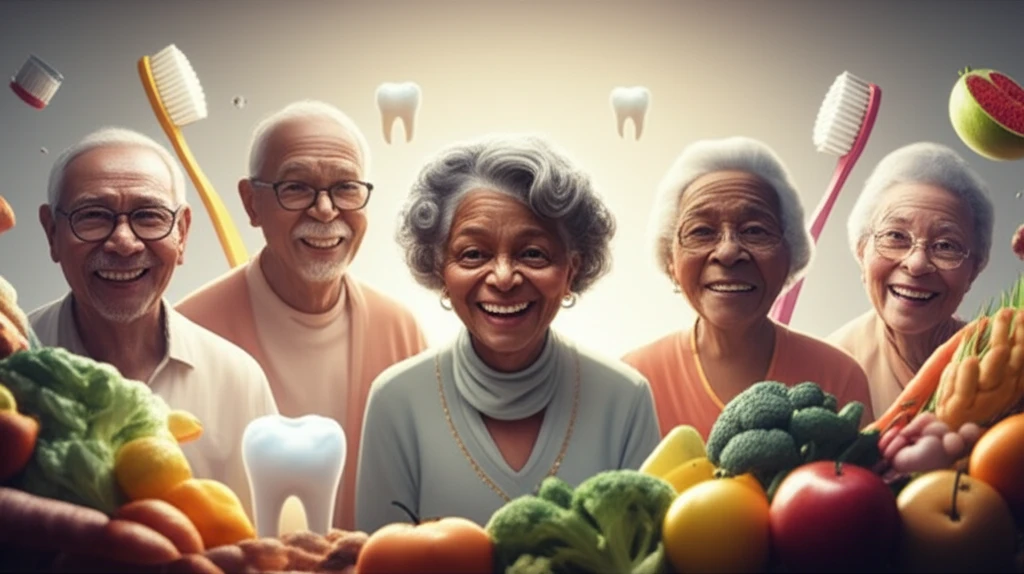
Caring for Smiles: A Nurse's Guide to Elderly Oral Health

"Discover how nurses can effectively assess and maintain the oral health of elderly patients, improving their overall well-being and quality of life."
Studies consistently show that oral health in long-term care facilities (LTCF) is often neglected, leading to significant health problems for elderly residents. This lack of attention highlights the urgent need for better oral care protocols and training for caregivers and healthcare professionals. In many facilities, there are no specific guidelines, a lack of specialized care programs, and insufficient training for staff.
As individuals age, their need for continuous care increases, including oral health. Elderly people often have poor oral health due to lifelong neglect, which can be worsened by dependency or impaired autonomy. Conditions like poor oral hygiene are more prevalent among those who require assistance with daily activities.
Recognizing this gap, there is a growing demand for screening tools that caregivers can use to assess oral health in elderly patients, particularly those with cognitive impairments. Such tools, combined with preventive educational programs and specific communication strategies, can significantly improve oral health outcomes in LTCFs.
Why Oral Health Matters for the Elderly
Oral health is an integral part of overall health, affecting physical and psychosocial well-being. Poor oral hygiene can lead to various health issues, including difficulty eating, increased risk of respiratory infections, and reduced quality of life. For elderly individuals, maintaining good oral health is crucial for their comfort, nutrition, and social interactions.
- Early Detection: Regular assessments can catch minor issues before they become major problems.
- Preventive Care: Simple steps like daily cleaning can prevent many common oral health issues.
- Improved Comfort: Addressing oral pain and discomfort can significantly improve quality of life.
- Enhanced Nutrition: Healthy teeth and gums make it easier to eat a balanced diet.
- Social Benefits: Good oral health boosts confidence and social interaction.
Empowering Nurses for Better Oral Care
By equipping nurses with the right tools and training, we can significantly improve the oral health and quality of life for elderly residents in long-term care facilities. Standardized assessment protocols, combined with ongoing education, will ensure that caregivers are well-prepared to address the unique oral health needs of this vulnerable population. Let's work together to make caring for smiles a priority.