
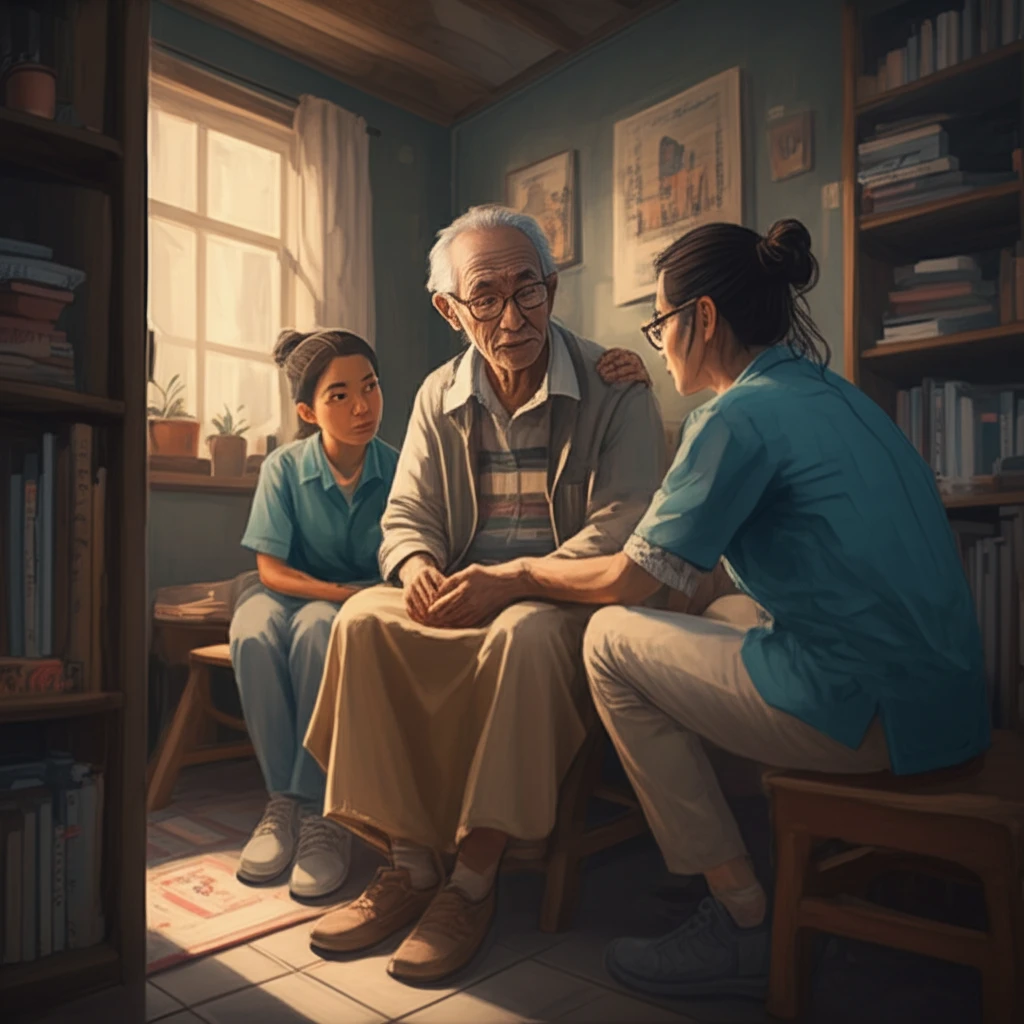
Caring for Seniors: How to Navigate Home Healthcare Challenges

"A guide for families and healthcare professionals on ensuring quality care for elderly patients in their homes, addressing common obstacles and promoting better support systems."
As our population ages, the demand for quality home healthcare services is rapidly increasing. Many seniors prefer to remain in the comfort of their own homes, surrounded by familiar settings and cherished memories. However, ensuring they receive the necessary medical attention and support can be a complex and challenging endeavor.
The reality of home healthcare often involves navigating numerous obstacles, from inadequate funding and bureaucratic hurdles to a shortage of healthcare professionals willing to serve in-home patients. These challenges not only affect the quality of care that seniors receive but also place immense pressure on family members and caregivers.
This article aims to shed light on the critical issues in home healthcare for seniors, offering insights and practical solutions to improve patient well-being and caregiver support. By understanding the challenges and exploring innovative approaches, we can work towards creating a more compassionate and effective system that honors the dignity and independence of our aging population.
The Growing Burden of Elderly Care
Caring for aging loved ones is exceptionally challenging and can lead to stress and burnout for family caregivers, as caregiving requires compassion, patience, and a deep understanding of seniors' needs. Older adults living alone face hidden health risks that are rarely discussed, including nutrition gaps and silent depression that can change how families approach aging. These pressures underscore why managing guilt and stress is a core part of supporting aging loved ones.
Home Healthcare as the Standard Approach
The accepted model for supporting aging adults combines professional home healthcare with family caregiving, with nurses and therapists delivering care in the comfort of home to help manage chronic conditions or recover from injury, illness, surgery, or hospitalization. Families also rely on health insurance contracts with insurers to cover portions of care, though navigating coverage adds its own layer of complexity. Despite these established methods, caregiving still produces guilt and stress that professional services alone do not resolve, and many families struggle to identify when to bring in additional help.
The Longstanding Challenges of Family Caregiving
Caring for elderly relatives has long required compassion, patience, and a deep understanding of their needs, with historical guidance emphasizing the emotional demands that accompany the role. Foundational discussions of elderly care consistently highlight the risk of stress and burnout for caregivers, as well as the challenge of finding appropriate senior housing and safety solutions. These enduring themes continue to shape how families and services approach at-home support today.
Addressing the Key Challenges in Home Healthcare
One of the most significant challenges in home healthcare is the financial burden. Many seniors and their families struggle to afford the necessary level of care, especially when it involves specialized medical services or round-the-clock assistance. Government programs and insurance coverage often fall short, leaving families to shoulder a substantial portion of the costs.
- Inadequate funding for home healthcare services.
- Complex and time-consuming bureaucratic processes.
- Shortage of healthcare professionals willing to work in home settings.
- Lack of coordination among healthcare providers and caregivers.
New Insights into At-Home Dementia Care
Recent guidance on at-home dementia care emphasizes navigating the full journey from diagnosis to in-home support, with attention to caregiver well-being, support networks, and adjustments to the home environment. Experts also highlight health monitoring for seniors and strategies for supporting seniors remotely as emerging areas of focus. These insights broaden the conversation from medical treatment alone to the wider wellness and safety considerations of aging in place.
When Caregiving Goes Wrong
Caregivers frequently encounter challenges that are exceptionally difficult to overcome, leading to stress, burnout, and guilt even among the most devoted families. Older adults who live alone face additional hidden risks, including poor nutrition and undiagnosed depression, which home care arrangements may fail to address. These failures highlight the gap between available services and the emotional and practical realities families actually experience.
Comparing In-Home Care With Other Options
In-home care from nurses and therapists offers the advantage of managing chronic conditions or recovering from surgery and hospitalization without leaving home, complementing rather than replacing family caregiving. This contrasts with facility-based approaches that require relocation, which introduces different safety and housing considerations. Families must weigh these options alongside insurance coverage decisions, comparing marketplace and employer-based health insurance plans to determine which care pathway is affordable and accessible.
Moving Forward: Towards a Better Future for Senior Home Healthcare
Improving the quality of home healthcare for seniors requires a multifaceted approach. We need to advocate for increased funding and better insurance coverage, streamline bureaucratic processes, and attract more healthcare professionals to work in home settings. By working together, we can create a more compassionate and effective system that honors the dignity and independence of our aging population.
Expert Advice for Confident Caregiving
Experts advise that families learn to manage guilt and stress while caring for aging loved ones, emphasizing that professional services and support networks exist to share the burden. Identifying when to bring in help is a key step, and finding quality senior care services can restore family peace of mind. With expert tips and strategies, caregivers can approach elderly care challenges with greater confidence.
Remote Support and Year-Round Wellness
Looking ahead, senior health and wellness efforts are expanding to include health monitoring for seniors and new ways to support seniors remotely, reducing the strain of constant in-person care. Year-round health tips aim to keep seniors active and well beyond one season, complementing professional home health services. These developments point toward a future where technology and community resources ease the caregiving load.
Insurance, Costs, and the Health Care System
Health insurance is a contract between you and an insurance company, and it sits at the center of how families pay for elderly care, including through marketplaces such as HealthCare.gov and employer-based plans. Navigating eligibility rules and plan choices adds systemic complexity for caregivers already managing daily responsibilities. These financial and administrative hurdles are a defining challenge of arranging care for aging relatives.
Companionship and Family Peace at the Center of Care
At its core, caring for the elderly is about compassion, companionship, and comfort in a familiar home setting, with wellness and human connection as central themes. Home healthcare brings nurses and therapists into daily life, but family peace depends on managing the emotional weight of caregiving as much as the medical tasks. The human element—comfort, companionship, and support—is what ultimately defines a successful care arrangement.