
CardiaMed vs. St. Jude: Which Mitral Valve is Right for You?

"A comparative study reveals the nuances between CardiaMed and St. Jude mechanical heart valves in mitral valve replacement surgery, helping patients and professionals make informed decisions."
Heart valve replacement surgery has transformed the treatment of heart valve disease. With numerous valve options available, the search for the ideal valve substitute continues, focusing on improved hemodynamics, durability, and minimal thrombogenicity.
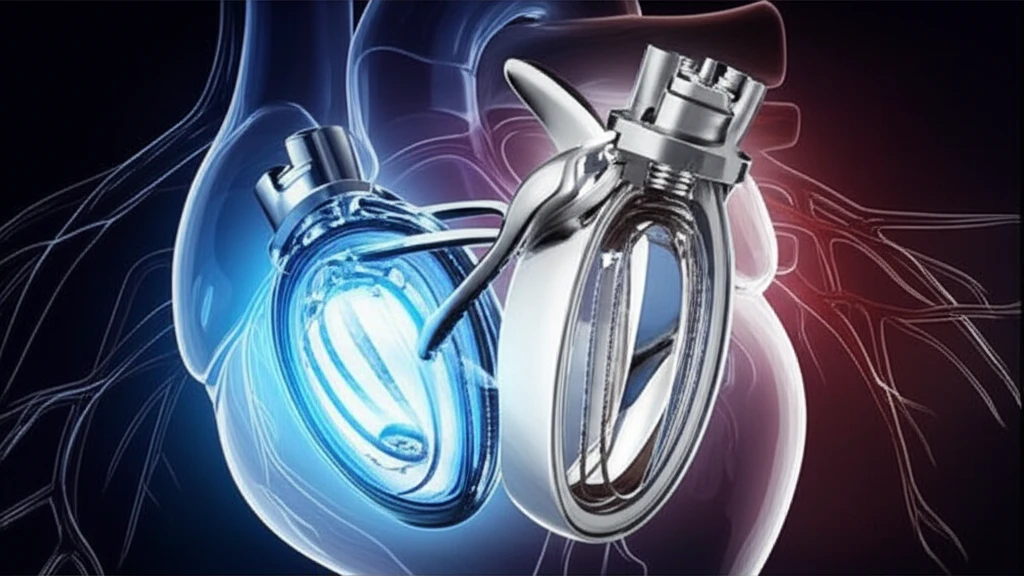
This article explores a comparative study between CardiaMed valves (featuring freely floating valve leaflets) and St. Jude Medical valves (with fixed floating valve leaflets) in mitral valve replacement surgery. The study aimed to evaluate the early post-operative hemodynamic function and clinical events associated with each valve type.
Understanding the nuances between different valve options empowers patients and healthcare professionals to make informed decisions, optimizing outcomes in mitral valve replacement procedures.
CardiaMed vs. St. Jude: Key Differences and Performance
A prospective, randomized study was conducted, involving 60 patients undergoing elective mitral valve replacement (MVR). Participants were divided into two groups: one receiving the CardiaMed valve and the other the St. Jude Medical valve. Researchers then monitored and compared the valve's performance.
- Demographics: The study found no statistical differences between the groups regarding demographic data, pre-operative clinical status, or the nature of mitral valve pathology.
- Early Complications: Early post-operative complications were similar in both groups, with 4 patients (13.3%) in the CardiaMed group and 5 patients (16.7%) in the St. Jude group experiencing issues such as re-exploration for bleeding, rhythm disturbances, or wound infection.
- Hemodynamics: While slight differences were observed, the study found no significant statistical difference between the groups regarding post-operative echo follow-up data, suggesting both valves effectively correct hemodynamics.
Making an Informed Choice
Choosing the right heart valve is a complex decision. While this study suggests comparable performance between CardiaMed and St. Jude valves, individual patient factors should always guide the selection process.
Discuss your specific needs and circumstances with your cardiologist and cardiac surgeon. Consider factors like lifestyle, potential for future interventions, and long-term management when weighing your options.
Ultimately, the goal is to select a valve that optimizes your hemodynamic function, minimizes complications, and allows you to live an active and healthy life.