
CAR-T Cell Therapy: The Revolutionary Cancer Treatment You Need to Know

"Unlocking the Power of Your Own Immune System: A Deep Dive into CAR-T Cell Therapy"
In the ever-evolving landscape of cancer treatment, a revolutionary approach has emerged, offering new hope for patients who have exhausted conventional options. CAR-T cell therapy, a highly personalized form of immunotherapy, is no longer a futuristic concept; it's a reality, and it's changing the game. This innovative treatment, which involves re-engineering a patient's own immune cells to target cancer, has shown remarkable results in certain types of blood cancers and is expanding into other areas.
Imagine a treatment that uses your own body's defenses to fight cancer. That's the core idea behind CAR-T cell therapy. By modifying your T cells—a type of immune cell—to recognize and attack cancer cells, doctors are able to offer a targeted and potent therapy with the potential for lasting remission. This article will delve into the details of CAR-T cell therapy, exploring its mechanism, effectiveness, and the exciting possibilities it presents for the future of cancer care.
For those seeking a deeper understanding of this groundbreaking treatment, this article serves as a comprehensive guide. We'll explore the science behind CAR-T cell therapy, examine its success in clinical trials, discuss potential side effects, and consider its place in the broader context of cancer treatment. Whether you're a patient, a caregiver, or simply curious about the latest advancements in medical science, this article will provide valuable insights into this remarkable therapy.
How Does CAR-T Cell Therapy Work? The Science Behind the Revolution
CAR-T cell therapy represents a paradigm shift in cancer treatment, moving away from broad-spectrum approaches like chemotherapy towards a highly targeted and personalized strategy. The process begins with a straightforward concept: harnessing the power of your own immune system to recognize and destroy cancer cells. This is achieved through a sophisticated process that involves several key steps.
- T-Cell Harvesting: T cells are extracted from the patient's blood through a process called leukapheresis.
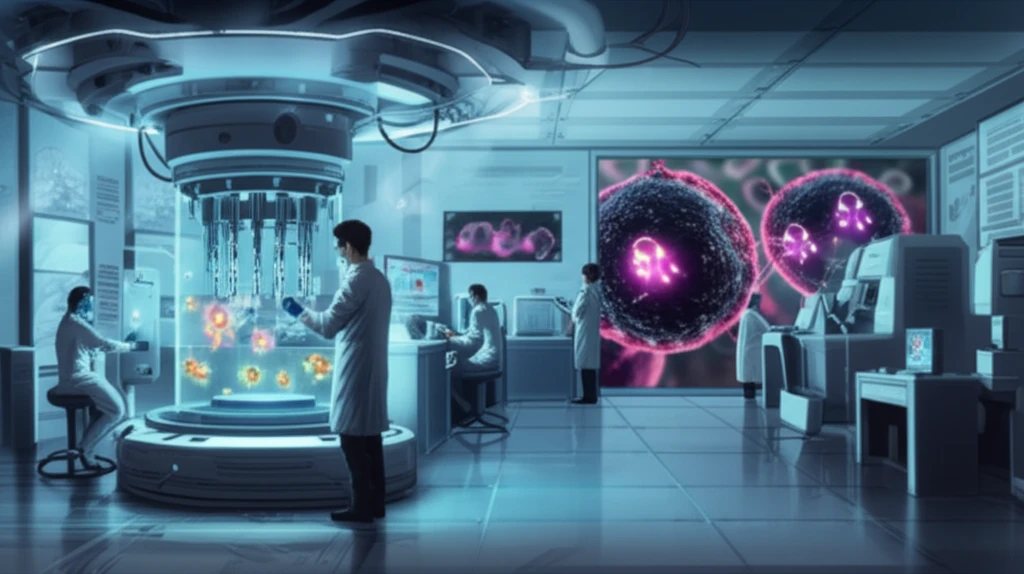
- Genetic Engineering: The T cells are then genetically modified in a lab. A viral vector delivers the gene for the CAR, which allows the T cells to recognize a specific protein on cancer cells.
- CAR-T Cell Expansion: The modified T cells (CAR-T cells) are grown in large numbers in the lab.
- Infusion: The expanded CAR-T cells are infused back into the patient's body.
- Targeting and Destruction: The CAR-T cells seek out and bind to cancer cells, triggering an immune response that leads to the destruction of the cancer cells.
The Future of CAR-T Cell Therapy: Hope and Continued Progress
CAR-T cell therapy represents a major step forward in the fight against cancer, offering new hope to patients and inspiring continued innovation in medical research. While it is still a relatively new treatment, its potential is vast, and ongoing clinical trials are exploring its effectiveness against a wider range of cancers. As the field evolves, CAR-T cell therapy holds the promise of becoming an even more effective, accessible, and personalized treatment option, bringing us closer to a future where cancer is not a life-threatening disease.