
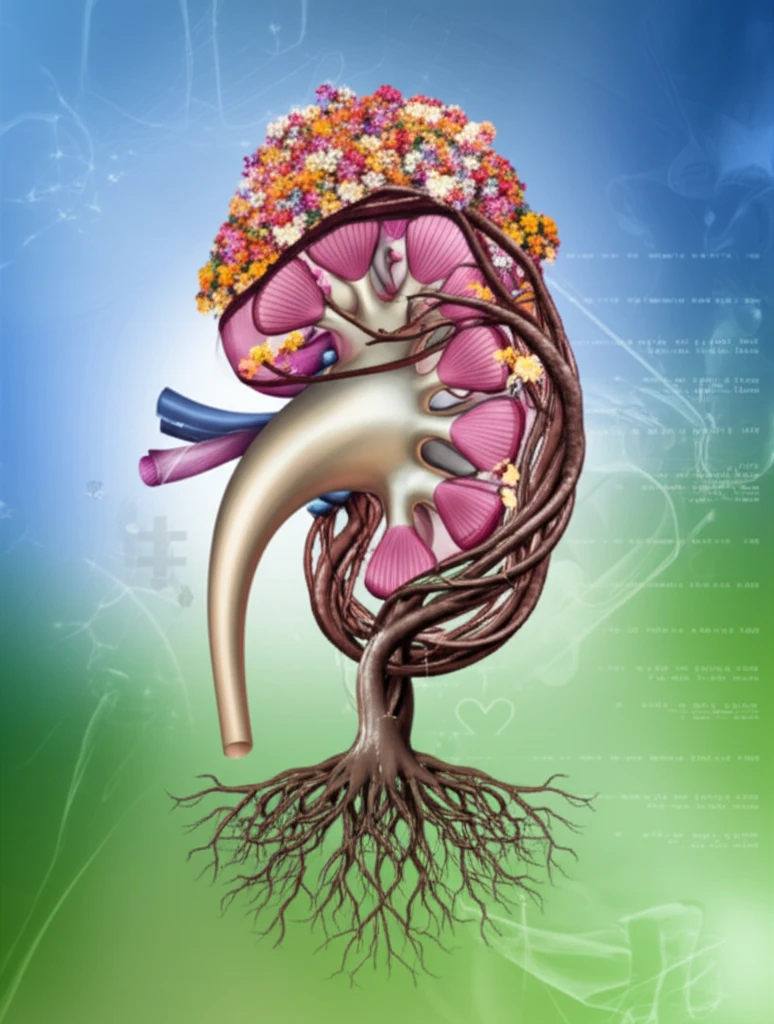
Cancer Treatment and Kidney Health: A Guide to Protecting Your Renal Function

"Navigating cancer chemotherapy while safeguarding your kidneys: Understanding the risks, guidelines, and preventative measures for renal injury during cancer treatment."
Advances in cancer drug therapy have significantly improved outcomes for patients, leading to a rise in the number of individuals undergoing chemotherapy and molecularly targeted treatments. However, these treatments can sometimes lead to nephrotoxicity, a condition that impairs kidney function, hindering effective cancer therapy and reducing the overall quality of life.
Nephrotoxicity has spurred the emergence of onco-nephrology, a clinical field focused on managing kidney-related side effects from cancer drugs. This field aims to create advanced expertise and accumulate accurate evidence-based practices. Historically, treatments for patients with renal impairment involved careful planning for cancer drug administration, but these decisions often relied on tradition, experimental rules, and clinical trial data, where the evidence base for practices was uncertain.
Over the last decade, estimated glomerular filtration rate (eGFR) has become the standard for assessing kidney function, replacing creatinine clearance. Groundbreaking research has also enhanced our understanding of the underlying causes and risk factors associated with chronic kidney disease (CKD) and acute kidney injury (AKI). This article highlights updated guidelines designed to support the quality of cancer drug therapy and enrich the lives of cancer patients by integrating innovations in clinical nephrology and evidence-based approaches.
Why Kidney Health Matters During Cancer Treatment
Cancer treatments, while targeting malignant cells, can inadvertently harm the kidneys. Anticancer chemotherapy requires a delicate balance between therapeutic benefit and the potential for decreased renal function, particularly in patients with pre-existing chronic kidney disease. Recognizing and mitigating these risks is vital for maintaining overall health and ensuring the continuity of cancer treatment.
- Accurate Assessment: Ensuring precise evaluations of kidney function to tailor chemotherapy dosages.
- Preventative Strategies: Implementing measures to minimize drug-induced nephrotoxicity.
- Evidence-Based Decisions: Making informed choices based on reliable clinical data and research.
Looking Ahead: Future Directions in Kidney Health and Cancer Treatment
Protecting kidney function during cancer treatment requires a multifaceted approach that includes careful assessment, preventative measures, and evidence-based interventions. By staying informed and working closely with your healthcare team, you can navigate cancer therapy while safeguarding your kidney health and overall well-being. Further research and evolving clinical practices promise to refine these strategies, offering even better care for cancer patients in the years to come.