
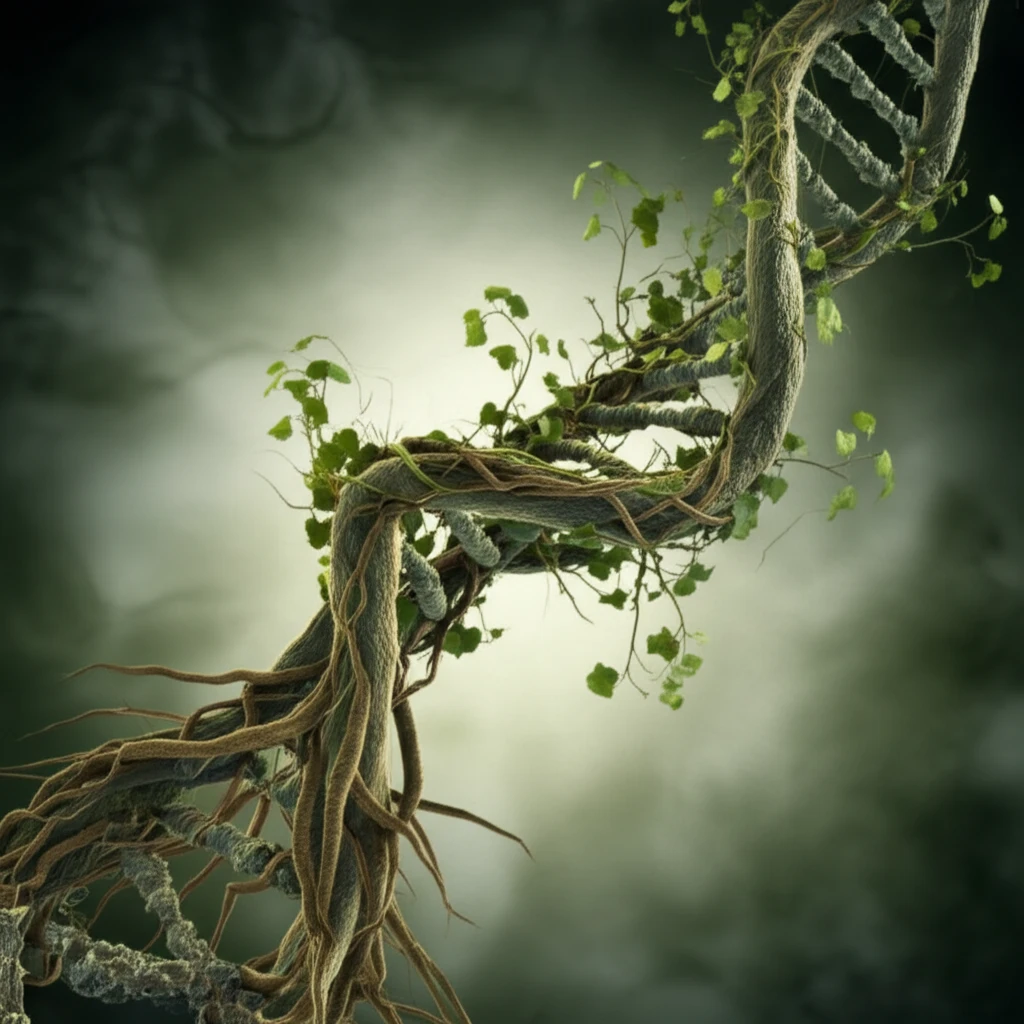
Can Triptolide Boost Cisplatin's Fight Against Triple-Negative Breast Cancer?

"New research explores how combining triptolide with cisplatin could offer a more effective strategy against triple-negative breast cancer by targeting DNA repair mechanisms."
Breast cancer remains a significant health challenge for women worldwide, with incidence rates steadily increasing. Among the various subtypes, triple-negative breast cancer (TNBC) poses a unique challenge due to its lack of estrogen receptor (ER), progesterone receptor (PR), and human epidermal growth factor 2 (HER2) expression. This absence of common receptors means that targeted therapies are ineffective, leaving conventional chemotherapy as the primary treatment option.
Unfortunately, TNBC is notorious for developing resistance to chemotherapy, leading to poor clinical outcomes and aggressive tumor behavior. The urgent need for new strategies to overcome drug resistance and improve treatment efficacy has led researchers to explore novel therapeutic approaches.
One promising avenue involves the use of triptolide, a natural compound derived from the traditional Chinese medicine Tripterygium wilfordii. Triptolide has demonstrated anti-inflammatory and anti-tumor activities in various cancers. Researchers are now investigating its potential to enhance the effectiveness of existing chemotherapy drugs like cisplatin in treating TNBC.
How Triptolide Enhances Cisplatin's Effectiveness: Targeting DNA Repair
Cisplatin, a platinum-based drug, is a cornerstone of chemotherapy for many cancers, including TNBC. It works by creating DNA crosslinks within cancer cells, which, if not repaired, can lead to cell death. However, TNBC cells often develop resistance to cisplatin by efficiently repairing the DNA damage, limiting the drug's effectiveness.
- XRCC1 and PARP1: These proteins are essential for repairing single-strand breaks and base excision repair. By reducing their levels, triptolide hinders the cancer cells' ability to fix DNA damage.
- RAD51: While triptolide also slightly decreases RAD51 levels, which is involved in homologous recombination, the primary impact appears to be on BER and single-strand break repair.
- Sensitization to Cisplatin: By interfering with these repair mechanisms, triptolide makes TNBC cells more vulnerable to cisplatin's DNA-damaging effects.
Future Implications: A New Approach to TNBC Therapy?
The study's findings suggest that triptolide could be a valuable addition to the treatment arsenal against TNBC. By targeting DNA repair mechanisms, triptolide enhances the effectiveness of cisplatin, potentially overcoming drug resistance and improving patient outcomes. Further research and clinical trials are needed to fully explore the potential of this combination therapy and to determine the optimal dosage and administration strategies. However, these findings offer a promising new avenue for combating this aggressive form of breast cancer.