
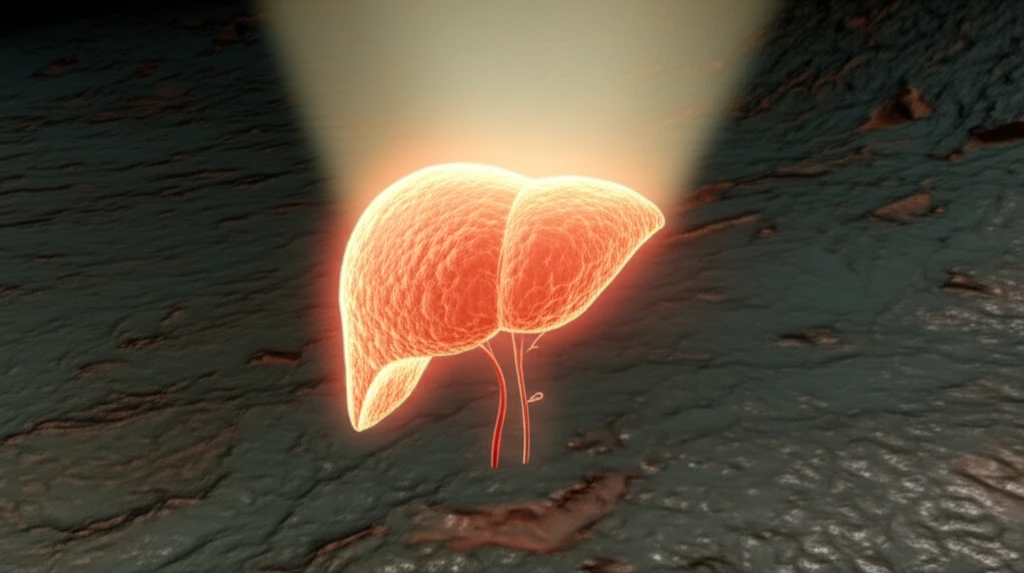
Can This Diabetes Drug Tame Fatty Liver? The Surprising Role of TZD

"New research explores how thiazolidinedione (TZD), a common diabetes medication, could offer a therapeutic effect on non-alcoholic fatty liver disease (NAFLD) by targeting key metabolic pathways."
Non-alcoholic fatty liver disease (NAFLD) is a growing global health concern, affecting millions worldwide. It’s characterized by the build-up of fat in the liver, not caused by excessive alcohol consumption. If left untreated, NAFLD can progress to more severe conditions like steatohepatitis (NASH), fibrosis, and even cirrhosis.
While lifestyle changes, such as diet and exercise, are the first line of defense, many individuals struggle to maintain these changes long-term. This is where pharmacological interventions come into play. One such intervention being explored is the use of thiazolidinediones (TZDs), a class of drugs primarily used to treat type 2 diabetes.
New research investigates the potential of TZD to treat hepatosteatosis, focusing particularly on how it impacts lipid metabolism. This article will breakdown the research, exploring how TZD affects key enzymes and hormones involved in fat regulation, and what this could mean for the future of NAFLD treatment.
TZD's Multi-Pronged Attack on Fatty Liver: How It Works
The study divided rats into three groups: a control group on a standard diet, a high-fat, high-carbohydrate diet (HFCD) group to induce hepatosteatosis, and a HFCD group treated with TZD. The results revealed that HFCD led to significant increases in several markers of liver dysfunction and fat accumulation, including:
- Improved Lipid Profiles: TZD significantly lowered triglycerides, total cholesterol, and LDL (bad) cholesterol, while increasing HDL (good) cholesterol.
- Regulated Hormones: TZD normalized levels of leptin and resistin, hormones involved in fat metabolism and insulin sensitivity, which are often disrupted in NAFLD.
- Enzyme Modulation: TZD increased the activity of stearoyl-CoA desaturase-1 (SCD-1), an enzyme involved in fatty acid metabolism, and inhibited lipoprotein lipase (LPL), which breaks down fats.
TZD: A Promising Tool, But Not a Magic Bullet
This research offers compelling evidence that TZD can have a therapeutic effect on hepatosteatosis by targeting multiple pathways involved in fat metabolism and inflammation. By regulating key enzymes and hormones, TZD appears to mitigate the harmful effects of a high-fat, high-carbohydrate diet on the liver.
However, it's important to remember that TZD is a medication primarily used for diabetes and, like all drugs, carries potential side effects. Further research is needed to fully understand the long-term effects of TZD on NAFLD, and to identify which patients would benefit most from this treatment approach.
While TZD shows promise as a potential tool in the fight against fatty liver disease, it should be considered as part of a comprehensive treatment plan that includes lifestyle modifications and careful monitoring by a healthcare professional. The findings suggest a manipulation of SCD-1 and lipase by TZD may be useful as a treatment for hepatosteatosis.