
Can Restoring Forests Save Brazil's Iconic Ecosystems?

"A new study reveals critical insights into the natural regeneration of Brazil's Mixed Ombrophilous Forest and offers hope for its future."
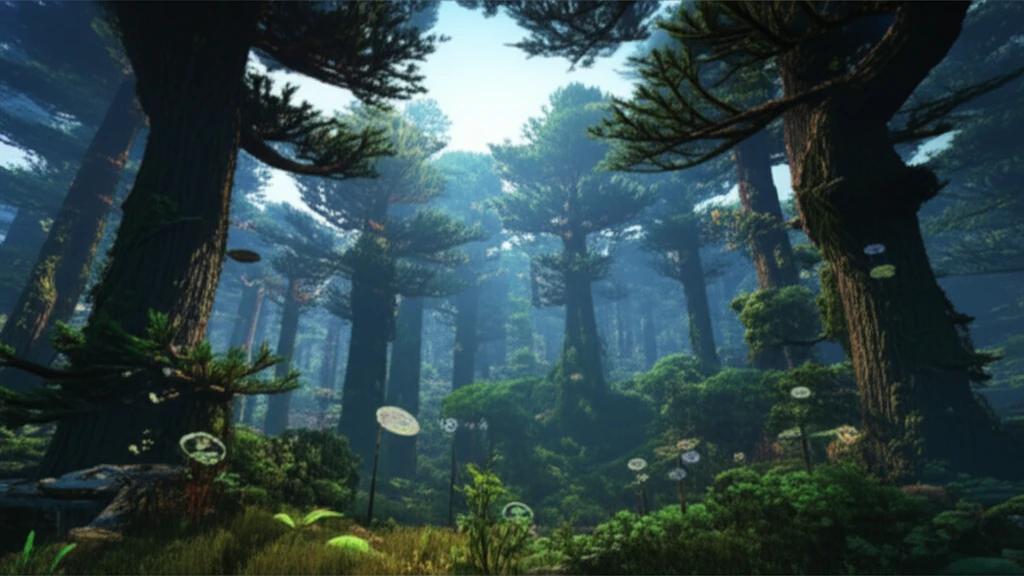
Brazil's Mixed Ombrophilous Forest, a unique ecosystem primarily found in the southern states, faces severe threats from deforestation, agriculture, and urbanization. Patches of this forest also exist in high-altitude areas of Southeastern Brazil, such as the Campos do Jordão plateau. This makes it a critical area for understanding forest dynamics and conservation strategies.
A recent study published in Hoehnea investigates the floristic and structural differences between mature and regenerating components of a Mixed Ombrophilous Forest within the Parque Estadual de Campos do Jordão. The goal? To develop hypotheses about the forest's successional trajectory and inform conservation efforts.
This research highlights the delicate balance within these forests and underscores the urgent need for targeted conservation actions to protect key species and ensure the long-term health of this precious ecosystem.
Decoding the Forest: What the Study Revealed
The research team established fifty permanent plots (10 × 20 meters) to sample mature trees (defined as having a circumference at breast height (CBH) of 15 cm or greater). Within each of these plots, five sub-plots (1 × 1 meter) were used to assess the regenerating component – saplings and young trees with a height of 30 cm or more, but a CBH less than 15 cm.
- Mature Component: 1,770 individuals were identified, representing 58 species, 38 genera, and 26 families. The Shannon diversity index (H') was 3.08, with an equitability (J) of 0.73.
- Regenerating Component: 576 individuals were sampled, comprising 55 species, 39 genera, and 23 families. The diversity was slightly higher (H' = 3.41), with an equitability of 0.84.
A Call to Action: Protecting Brazil's Forests
The study emphasizes the urgent need for in-situ conservation measures, particularly those focused on coniferous species like Araucaria angustifolia. These species, vital to the forest's structure and function, are struggling to regenerate naturally.
Active management strategies might include:
Prioritizing conservation efforts not only preserves biodiversity but also maintains the ecological services these forests provide, including carbon sequestration and water regulation. The future of Brazil’s Mixed Ombrophilous Forest depends on informed action and dedicated conservation efforts.