
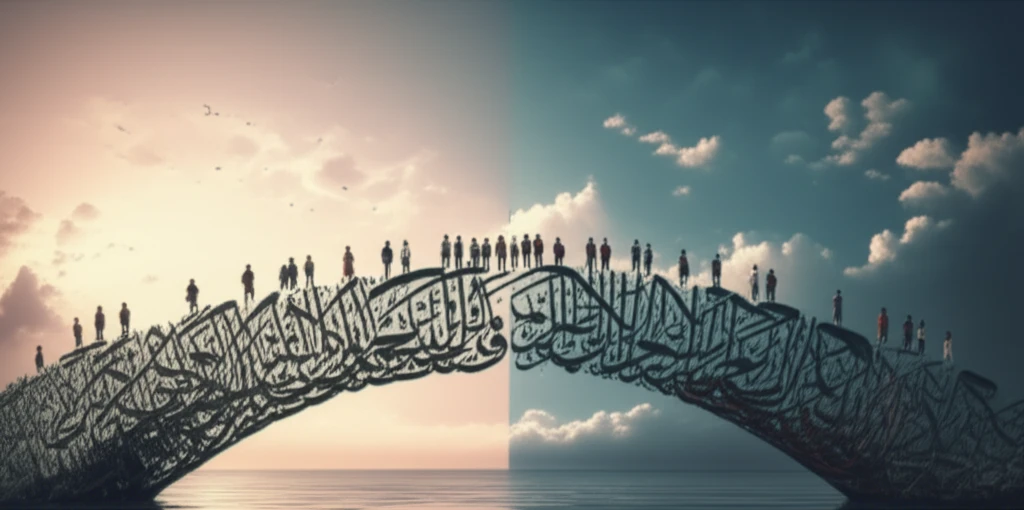
A diverse group of people on a bridge symbolizing Islamic and Western cultures.

Bridging Worlds: How Social Workers Can Navigate Islamic Culture with Sensitivity

"A practical guide for social work professionals to understand and engage with Muslim communities effectively."


In an increasingly diverse world, the role of social workers in bridging cultural and religious divides is more critical than ever. "Islam and Social Work: Culturally Sensitive Practice in a Diverse World" offers a vital resource for social work practitioners, particularly those working within Global North communities. This book addresses the complexities of engaging with Muslim families and individuals, providing a framework for understanding and respectful interaction.

Published in 2017, this second edition reflects on the changes and continuities in social work practices over the past decade. It acknowledges the significant global events, such as the terrorist attacks of 9/11 and 7/7, that have shaped perceptions of Islam. Despite these challenges, the book remains a relevant guide, offering insights into the impact of Islamic identity on both Muslim and non-Muslim communities.

The book’s strength lies in its direct approach to sensitive issues, including gender inequality, female genital mutilation, and reproductive health within Muslim communities. It navigates the diverse perspectives within the Muslim ummah, recognizing areas of agreement and disagreement. By highlighting the strengths inherent in Islamic teachings, such as mutual care, wealth redistribution through Zakat, and the pursuit of human dignity, the book encourages a complementary approach between Islamic values and social work practices.

Understanding Core Islamic Principles for Social Work Practice

A diverse group of people on a bridge symbolizing Islamic and Western cultures.

To effectively serve Muslim communities, social workers need a foundational understanding of key Islamic principles. These principles provide a framework for ethical practice and culturally sensitive engagement. Recognizing these values can help social workers build trust and rapport, ensuring that interventions are both respectful and effective.

One of the most significant aspects of Islamic culture is its emphasis on community and mutual support. The concept of ummah, or the global Muslim community, highlights the interconnectedness and shared responsibility among Muslims. Additionally, the principle of Zakat, which involves charitable giving, plays a vital role in wealth redistribution and social welfare.

  • Tawhid (Oneness of God): This foundational concept emphasizes the unity of God and the interconnectedness of all creation. It promotes respect for all individuals, regardless of background.
  • Adl (Justice): Islam stresses the importance of justice and fairness in all dealings. Social workers can use this principle to advocate for equitable treatment and address systemic inequalities within Muslim communities.
  • Ihsan (Excellence): Encourages Muslims to strive for excellence in all aspects of life, including their interactions with others. Social workers can embody this principle by providing high-quality, compassionate care.
  • Shura (Consultation): Islam promotes decision-making through consultation and consensus. Social workers can involve community members and religious leaders in the planning and implementation of interventions.
These principles are not merely abstract concepts but are deeply embedded in the daily lives of Muslims. Recognizing and respecting these values can significantly enhance the effectiveness of social work interventions. By integrating these principles into practice, social workers can build stronger relationships and foster positive change within Muslim communities.

Moving Forward: Building Bridges of Understanding

“Islam and Social Work: Culturally Sensitive Practice in a Diverse World” serves as an essential tool for social workers seeking to enhance their understanding of Muslim communities. While it offers an introduction to Islamic principles and practices, it also underscores the importance of ongoing learning and self-reflection. By acknowledging their own assumptions and biases, social workers can build bridges of understanding and provide more effective, culturally sensitive care. This book is not just a resource but a starting point for a journey of continuous growth and engagement.

About this Article -

This article was crafted using a human-AI hybrid and collaborative approach. AI assisted our team with initial drafting, research insights, identifying key questions, and image generation. Our human editors guided topic selection, defined the angle, structured the content, ensured factual accuracy and relevance, refined the tone, and conducted thorough editing to deliver helpful, high-quality information.See our About page for more information.

This article is based on research published under:

DOI-LINK: 10.1093/bjsw/bcx105, Alternate LINK

Title: Islam And Social Work: Culturally Sensitive Practice In A Diverse World, 2Nd Edn, S. A. Crabtree, F. Husain And B. Spalek

Subject: Social Sciences (miscellaneous)

Journal: The British Journal of Social Work

Publisher: Oxford University Press (OUP)

Authors: Aisha Hutchinson

Published: 2017-09-27

Everything You Need To Know

1

What is the meaning and significance of the term *ummah* in the context of Islamic culture, and how does it relate to social work practice?

The *ummah* refers to the global Muslim community, emphasizing the interconnectedness and shared responsibility among Muslims worldwide. Understanding the concept of *ummah* is crucial for social workers because it highlights the importance of community support and collective welfare within Muslim societies. Recognizing this sense of belonging can help social workers tailor their interventions to leverage existing community networks and foster a sense of solidarity and mutual aid. It signifies that an individual's well-being is often tied to the well-being of the larger community, influencing how social support systems are perceived and utilized.

2

Could you explain the concept of *Zakat* and why it is important for social workers to understand its role within Muslim communities?

*Zakat* is a principle in Islam that involves charitable giving, playing a vital role in wealth redistribution and social welfare. Social workers need to understand *Zakat* because it illustrates a structured system of philanthropy and economic justice within Muslim communities. It signifies a commitment to alleviate poverty and support vulnerable populations. Recognizing *Zakat's* role can inform social work practices by highlighting existing resources and culturally appropriate methods for addressing economic disparities. Social workers can connect individuals to *Zakat* opportunities or partner with organizations that manage *Zakat* funds to enhance their support services.

3

What does *Tawhid* mean, and how does this concept influence social work practice when working with Muslim individuals and communities?

*Tawhid* is the concept of the Oneness of God, which emphasizes the unity of God and the interconnectedness of all creation. For social workers, *Tawhid* promotes respect for all individuals, regardless of background, and highlights the inherent dignity of every person. Recognizing *Tawhid* can foster a more inclusive and equitable approach to social work practice. It implies that all individuals are part of a larger, unified creation, encouraging social workers to value diversity and promote social justice. This perspective can influence how social workers approach ethical dilemmas and advocate for the rights and well-being of marginalized communities.

4

What is *Adl* and why is it important for social workers to know and understand this concept?

*Adl* is an Islamic principle that stresses the importance of justice and fairness in all dealings. Social workers should grasp *Adl* because it provides a foundation for advocating for equitable treatment and addressing systemic inequalities within Muslim communities. It underscores the need for impartiality and the protection of rights. Understanding *Adl* can help social workers identify and challenge discriminatory practices and policies that affect Muslim individuals and families. This principle encourages social workers to be vigilant in promoting fairness and ensuring that all members of the community have equal access to opportunities and resources.

5

What is *Shura*, and how can social workers utilize this principle in their engagement with Muslim communities?

*Shura* refers to consultation, in Islam this promotes decision-making through consultation and consensus. Social workers need to understand *Shura* because it emphasizes the importance of involving community members and religious leaders in the planning and implementation of interventions. It signifies a collaborative approach that values local knowledge and perspectives. By incorporating *Shura* into their practice, social workers can ensure that their interventions are culturally appropriate, respectful, and more likely to be effective. This principle encourages social workers to actively seek input from the community and build partnerships with key stakeholders to address social issues in a culturally sensitive manner.

Newsletter Subscribe

Subscribe to get the latest articles and insights directly in your inbox.