
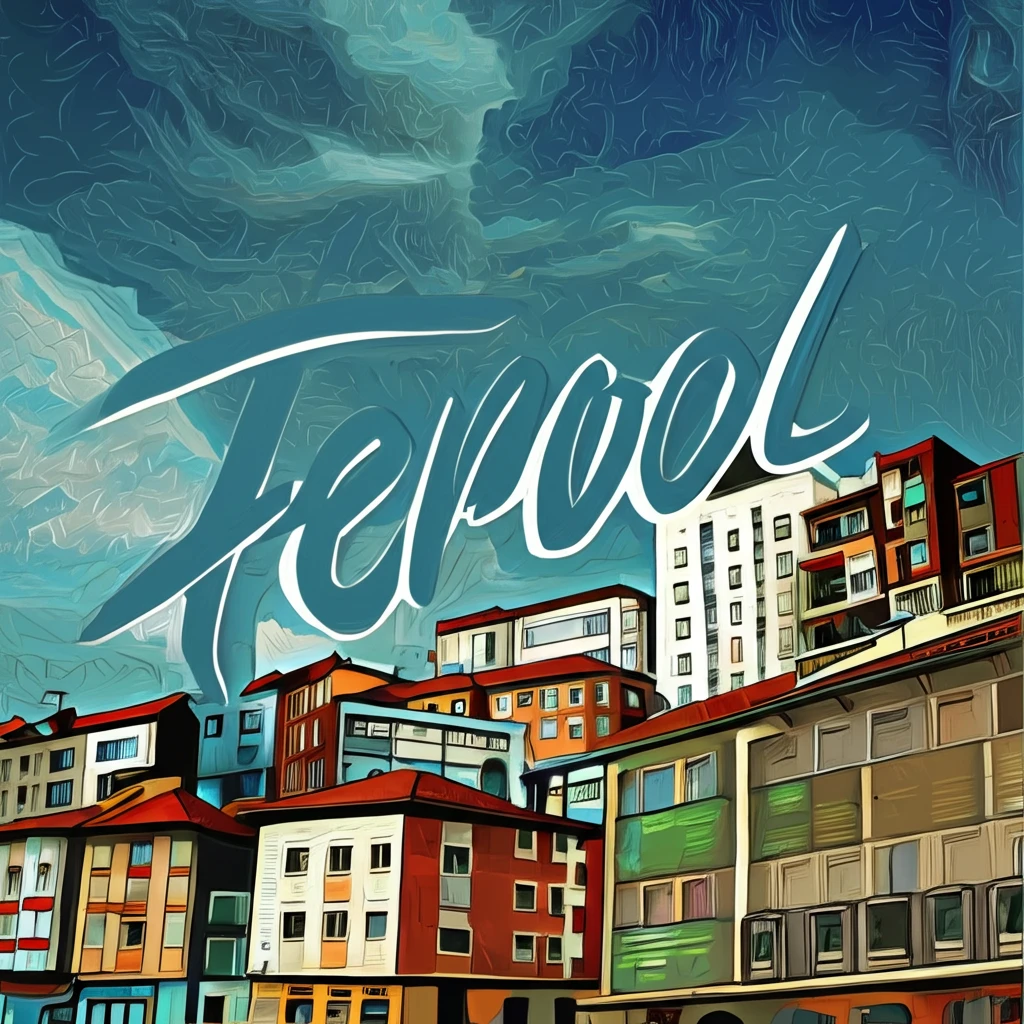
Bridging Cultures: How Ferrol, Spain, is Revitalizing Galician Language Through Cultural Initiatives

"A look into Ferrol's journey to reclaim its linguistic heritage through strategic cultural projects and translation efforts."
In the heart of Galicia, Spain, the city of Ferrol is engaged in an ambitious project: revitalizing the Galician language, deeply intertwined with its cultural identity. This initiative is especially significant in a region where the influence of a historically military presence has somewhat overshadowed the local linguistic heritage. The endeavor highlights the critical role of cultural projects and thoughtful translation in nurturing and promoting regional languages.
Ferrol's situation is unique. As a city shaped by its naval and military history, the use of Galician has faced considerable challenges. Recognizing this, local authorities have begun to actively support Galician through various cultural and institutional efforts. These initiatives aim not only to preserve the language but also to ensure it thrives in contemporary society.
This article explores Ferrol's strategic approach to language revitalization, focusing on how the city leverages its cultural sector to foster linguistic normalization. It examines the successes, challenges, and the pivotal role of translation in making Galician more visible and accessible, thereby strengthening its cultural presence in the community.
Grassroots Galician Language Revitalization in Practice
Galician is spoken in Galicia, an autonomous community in northwestern Spain, where it holds official status alongside Spanish. A significant grassroots revitalization effort emerged in 2011 when a group of urban-based Galician speakers and language activists initiated the Semente project, examined by the Smithsonian's Sustaining Minoritized Languages in Europe (SMiLE) program. Research applying Resource Management Theory to urban-based Galician language revitalization identifies both enabling factors and constraints affecting grassroots activists, highlighting that such activism extends beyond language alone into broader social and cultural domains. These efforts are often rooted in social centres whose ethos centers on reviving and reinventing Galician customs and traditions, with members tending to adopt anti-capitalist and anti-globalization political orientations.
Methodological Frameworks for Language Revitalization
Language revitalization scholarship has developed several standard methodological frameworks, though their applicability to specific contexts like Galician remains contested. Research on revitalization in scattered language communities—such as studies of Mutsun language revitalization—identifies problems and methods that may not transfer cleanly to urban European minority language settings. The native-non-native dichotomy in minority language contexts complicates standard approaches, as standard language ideology can produce problematic attitudes towards non-standard varieties and usages. Applying a social movement lens to language revitalization, as done in recent Galician-focused research, represents an attempt to move beyond traditional methodological boundaries that have been critiqued for their limitations.
Linguistic History and Language Origins
The Galician language is a Romance language with many similarities to Portuguese, of which it was historically a dialect, and is now significantly influenced by standard Castilian Spanish. While theories on the origin of language itself remain diverse and contested, the specific historical trajectory of Galician reflects broader patterns of linguistic conquest and dominance, particularly the long-standing influence of Castilian Spanish over regional languages in the Iberian Peninsula. The question of how a language from the Iberian Peninsula became dominant across vast territories—while regional languages like Galician were simultaneously marginalized—highlights the deep historical forces that contemporary revitalization efforts must contend with.
Ferrol's Cultural Transformation: A Case Study
Ferrol's journey to reclaim its Galician linguistic roots is multifaceted, beginning with understanding the city's unique historical context. Established as a key military and administrative center, Ferrol’s cultural landscape was significantly influenced by its strategic importance to the Spanish state. This influence led to a diminished presence of the Galician language in local affairs, setting the stage for modern revitalization efforts.
- Cultural Promotion: Ferrol actively supports events and programs that highlight Galician culture and language.
- Linguistic Normalization: Efforts are in place to standardize and promote the use of Galician in official and public sectors.
- Educational Initiatives: Schools and community programs are designed to encourage Galician language learning and usage.
- Strategic Translation: Recognizing its importance, Ferrol utilizes translation services to make Galician more accessible in various contexts.
Contemporary Research on Galician Language Use
Recent ethnographic research has examined Galician language use within traditional music and dance gatherings, known as foliadas, in Santiago de Compostela. This study on neofalantes (new speakers), neogalego, and neofoliadas explores how music, dance, and language intersect in contemporary Galician cultural life. Meanwhile, lessons from the Basque language (Euskara)—often celebrated as a revitalization success—suggest that growing numbers of speakers do not automatically translate to everyday use, raising important questions about whether Galician revitalization efforts face similar gaps between speaker counts and实际 daily practice.
Challenges and Critiques in Galician Revitalization
The Galician language faces organized opposition from groups that strongly oppose revitalization processes, constructing a discourse around the supposed imposition of Galician and claiming subsequent injustices against Spanish speakers. Research on the Galician language in the twenty-first century examines the complex dynamics of new speakers, language policy, and revitalization challenges that persist despite official recognition. Language revitalization broadly is constrained by the fact that immersion methods cannot be applied to revitalize extinct or moribund languages, and techniques are often limited to the current vitality of the language being targeted. While Galician has expanded from primarily rural settings into urban environments and educational institutions over recent decades, questions remain about whether the younger generation is truly adopting the language in meaningful daily use.
Language Revitalization in Comparative Perspective
Language revitalization is broadly defined as the effort to increase active use of a threatened language, particularly by cultivating new speakers and supporting daily use. Sociolinguistic dynamics of minority language revitalization represent an active and growing area of academic inquiry, with research output increasing across publications in recent years. In introductory linguistics contexts, revitalization connects language attitudes, policy, and endangered language preservation as interconnected dimensions of the same challenge. These comparative frameworks provide useful lenses for evaluating how Galician revitalization efforts in Ferrol and broader Galicia fit within global patterns of minority language recovery.
Looking Ahead: Ferrol's Continued Commitment
As Ferrol moves forward, its dedication to promoting Galician through cultural and linguistic strategies offers a compelling model for other regions facing similar challenges. The city's ongoing efforts not only preserve its linguistic heritage but also foster a stronger sense of community and cultural identity, ensuring that Galician continues to thrive for generations to come.
Cross-Context Lessons for Language Revitalization
Indigenous communities in North America have pursued language revitalization through innovative means, including the use of coding and artificial intelligence to teach and record native languages. These technological approaches—including AI-powered language tools and coding camps led by indigenous youth—offer potential models that could be adapted for contexts like Galician. The Tutelo language revitalization effort demonstrates that even languages with very few remaining speakers can be targets of dedicated revitalization work, supported by institutional backing such as Ford Foundation fellowships. These diverse examples suggest that language revitalization strategies are increasingly crossing cultural and technological boundaries.
Neofalantes and the Future of Galician
Research on neofalantes (new speakers) as an active minority examines the language practices and motivations for change amongst those who have adopted Galician as a second language. This work highlights that revitalization is not simply about increasing speaker numbers but about understanding the social dynamics and personal motivations that drive language choice. Anti-Galician groups continue to oppose revitalization processes, creating ongoing political and social tensions that will shape the language's trajectory. The extent to which neofalantes can sustain meaningful daily Galician use—beyond symbolic or occasional employment—remains an open question for the language's future.
Systemic Barriers to Language Revitalization
Language revitalization efforts universally face the challenge of language loss occurring across age groups, from toddlers to older adults, reflecting systemic pressures that favor dominant languages. Within broader cultural revitalization movements, language revitalization serves as a key element of cultural identity and continuity, as language is closely tied to traditions, stories, and worldviews specific to each community. Communities face fundamental questions about the feasibility and methods of revitalization, particularly when intergenerational transmission has already been disrupted. These systemic challenges are not unique to Galicia but represent shared obstacles across minority language contexts worldwide.
Language Revitalization as a Human Endeavor
A fundamental reframing of language revitalization argues that the enterprise is ultimately about people in the world rather than about language as an abstract system. This perspective shift redefines language revitalization as one particular case of a more general class of social phenomena centered on human well-being and community agency. When viewed through this lens, initiatives in Ferrol and across Galicia—whether grassroots cultural centres, educational programs, or artistic gatherings like foliadas—represent human efforts to maintain identity and connection in the face of dominant cultural pressures. The real-world impact of these initiatives lies not merely in speaker statistics but in the sense of belonging and cultural continuity they foster among participants.