
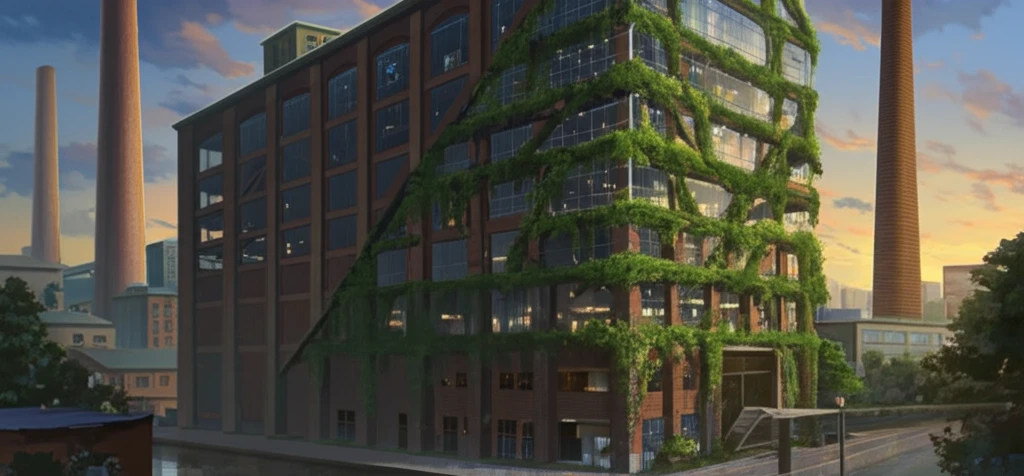
Breathing New Life into Old Buildings: How Adaptive Reuse Can Save Our Cities

"Unlock the secrets of transforming old industrial spaces into vibrant, modern hubs. Discover the design factors that make adaptive reuse a success."
Across the globe, cities are grappling with the challenge of what to do with their aging industrial buildings. These structures, once the engines of economic growth, often sit vacant, becoming eyesores and potential safety hazards. But there's a growing movement to breathe new life into these forgotten spaces through adaptive reuse. Adaptive reuse is the process of repurposing old buildings for new uses, blending historical preservation with modern innovation.
Instead of demolishing these buildings and starting from scratch, adaptive reuse seeks to preserve their unique character and history while creating functional spaces for contemporary needs. This approach offers a multitude of benefits, from reducing waste and promoting sustainability to revitalizing communities and fostering economic development.
This article delves into the key factors that contribute to successful adaptive reuse projects, drawing insights from a case study in Guangzhou, China. Whether you're an architect, a developer, or simply a city dweller interested in the future of our urban landscapes, understanding these factors is crucial for creating vibrant, sustainable, and historically rich communities.
Why Renovate? The Value of Preserving Our Industrial Past
The push to renovate and reuse old industrial buildings stems from a growing awareness of their inherent value. In many cities, these buildings are not just relics of the past; they're integral parts of the urban fabric, holding historical and cultural significance. Demolishing them means losing a tangible connection to the city's story.
- Historical Significance: Old industrial buildings often represent a city's industrial heritage, reflecting its economic and social evolution.
- Environmental Sustainability: Reuse reduces demolition waste and the demand for new resources.
- Community Revitalization: Adaptive reuse projects can spark economic growth and social interaction in neglected urban areas.
- Unique Character: Old buildings offer architectural details and spatial qualities that are difficult to replicate in new construction.
Building a Better Future, One Renovation at a Time
Adaptive reuse is more than just a trend; it's a powerful approach to urban development that balances historical preservation with modern needs. By understanding the key factors that contribute to successful renovation projects, we can create vibrant, sustainable, and historically rich communities for generations to come. As cities continue to evolve, adaptive reuse will play a crucial role in shaping our urban landscapes and preserving the stories of our past.