
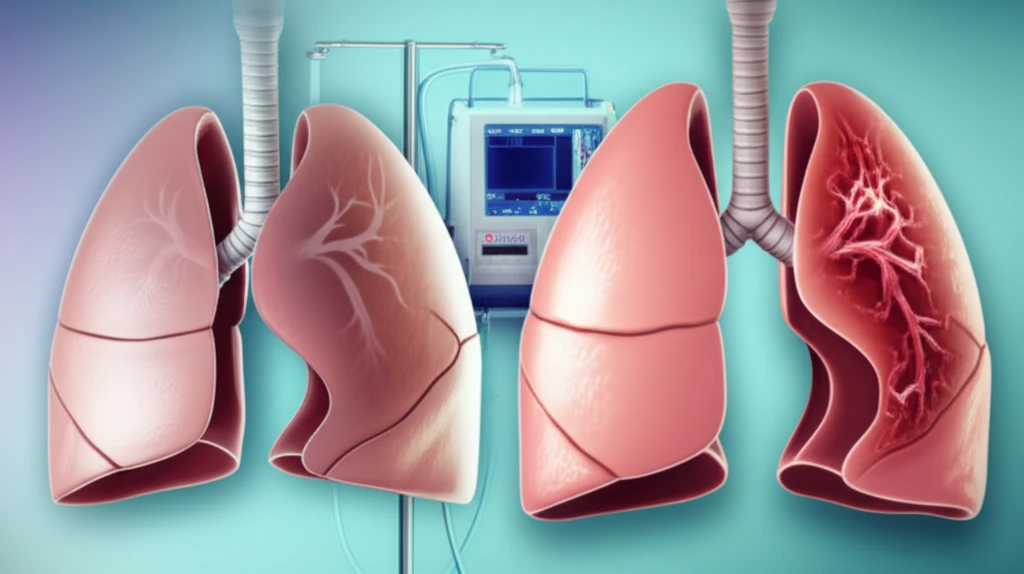
Illustration comparing a healthy lung to an asthmatic lung with ECMO machine.

Breathing Easy: Understanding Influenza-Triggered Asthma and ECMO's Life-Saving Role

"Unraveling the Complexities of Influenza, Asthma, and a Critical Medical Intervention: A Guide for Patients and Families"


The world of respiratory health can sometimes feel like navigating a maze. Conditions like asthma and influenza, when they collide, can create a particularly intricate and frightening scenario. For those who live with asthma, the threat of an asthma attack is an ever-present reality. But when influenza, the common flu, enters the picture, it can trigger a cascade of events, leading to what is known as status asthmaticus.

Status asthmaticus is a severe and life-threatening asthma attack that doesn't respond to usual treatments. In extreme cases, the lungs become so compromised that they cannot effectively exchange oxygen and carbon dioxide. This is where Extracorporeal Membrane Oxygenation (ECMO) comes in. ECMO is a life-support system that takes over the function of the lungs, providing critical support when the body's own systems are overwhelmed.

This article is crafted to provide clarity and reassurance to anyone affected by or interested in these complex medical issues. We will explore the potential for influenza to trigger severe asthma attacks, the role of ECMO in critical care, and the importance of prompt, informed medical decisions. Whether you are a patient, a caregiver, or simply someone seeking knowledge, this is an invitation to breathe a little easier as we break down the science and experiences surrounding this critical health concern.

What Happens When Influenza Meets Asthma? Understanding the Risks and Complications

Illustration comparing a healthy lung to an asthmatic lung with ECMO machine.

Influenza, or the flu, is a common viral infection, but the symptoms and severity of the infection vary widely. For individuals with asthma, the flu can be more than just a few days of feeling unwell. The respiratory system, already sensitive due to asthma, can become highly reactive when exposed to the flu virus. This can initiate an asthma attack, which then might escalate into a more severe condition, like status asthmaticus.

When influenza triggers an asthma attack, the airways in the lungs constrict and become inflamed. This obstruction makes it difficult to breathe. Additionally, the flu can cause the lungs to produce excess mucus. This mucus can further block the airways, making it even harder for air to flow in and out. This combination of constriction, inflammation, and mucus buildup can lead to acute respiratory failure, which is a potentially life-threatening condition that necessitates immediate medical attention.

  • Increased Airway Inflammation: The flu virus intensifies the inflammation in the airways, leading to further constriction.
  • Worsening Asthma Symptoms: Coughing, wheezing, and shortness of breath become more frequent and intense.
  • Risk of Pneumonia: The flu weakens the immune system, making individuals more susceptible to secondary infections, such as pneumonia.
  • Potential for Respiratory Failure: As the lungs become increasingly compromised, they may be unable to provide enough oxygen to the body, potentially leading to organ damage or failure.
This can quickly escalate into a critical medical emergency that requires immediate medical intervention. Early recognition of these combined risks and prompt, appropriate treatment are crucial to prevent the situation from becoming critical. If the standard treatments like bronchodilators and corticosteroids are not enough, patients might need more advanced medical interventions, which is where ECMO comes into play.

Breathing Easier: The Road Ahead with Informed Health Management

The intersection of influenza, asthma, and ECMO is a complex one. Understanding the potential risks, the available treatments, and the importance of timely medical intervention can be empowering. Whether you are facing these challenges personally, or if you are a caregiver, the knowledge shared in this article can contribute to informed decision-making and more effective health management. Remember, you are not alone in this journey, and with the right information and support, it is possible to breathe a little easier.

About this Article -

This article was crafted using a human-AI hybrid and collaborative approach. AI assisted our team with initial drafting, research insights, identifying key questions, and image generation. Our human editors guided topic selection, defined the angle, structured the content, ensured factual accuracy and relevance, refined the tone, and conducted thorough editing to deliver helpful, high-quality information.See our About page for more information.

This article is based on research published under:

DOI-LINK: 10.4081/monaldi.2010.286, Alternate LINK

Title: Influenza A Triggered Status Asthmaticus Requiring Emergency Ecmo

Subject: Cardiology and Cardiovascular Medicine

Journal: Monaldi Archives for Chest Disease

Publisher: PAGEPress Publications

Authors: F. Guarracino, M. Stefani, P. Maremmani, M. Corini, S. Pini, C. Tascini, F. Menichetti, N. Ambrosino

Published: 2016-01-19

Everything You Need To Know

1

What is status asthmaticus, and how does it relate to influenza and asthma?

Status asthmaticus is a severe, life-threatening asthma attack that doesn't respond to typical treatments. In the context provided, influenza can trigger an asthma attack in individuals with asthma. The flu virus intensifies airway inflammation, leading to constriction and increased mucus production. If the asthma attack escalates, it can develop into status asthmaticus, where the lungs' ability to exchange oxygen and carbon dioxide is severely compromised, requiring immediate medical intervention like ECMO.

2

How does influenza impact the respiratory system of someone with asthma?

For individuals with asthma, influenza can significantly worsen their respiratory health. The flu virus causes increased airway inflammation, leading to more constriction of the airways. This constriction, coupled with increased mucus production, obstructs airflow, making it difficult to breathe. This can result in intensified asthma symptoms such as coughing, wheezing, and shortness of breath. Furthermore, the flu can weaken the immune system, increasing the risk of secondary infections like pneumonia, which can further compromise respiratory function.

3

What role does ECMO play in the treatment of severe asthma triggered by influenza?

ECMO (Extracorporeal Membrane Oxygenation) is a life-support system used when the lungs are severely compromised, such as in cases of status asthmaticus triggered by influenza. ECMO takes over the function of the lungs, providing oxygen and removing carbon dioxide from the blood when the body's own respiratory system is failing. This intervention offers critical support, allowing the body time to recover while the underlying conditions, such as the flu and severe asthma, are addressed through other medical treatments.

4

What are the key complications that can arise when influenza and asthma occur together?

The combined impact of influenza and asthma can lead to several complications. Firstly, there is an increase in airway inflammation, causing greater constriction. Secondly, asthma symptoms like coughing, wheezing, and shortness of breath become more frequent and intense. Moreover, the risk of pneumonia increases due to the weakened immune system. Finally, the most severe complication is potential respiratory failure, where the lungs cannot provide enough oxygen to the body, leading to organ damage or failure. This requires immediate medical attention.

5

What steps can patients and caregivers take to manage the risks associated with influenza and asthma?

Managing the risks involves a proactive approach. For patients with asthma, it's essential to have a well-defined asthma action plan developed with their healthcare provider. This includes recognizing early signs of an asthma attack and knowing when to seek medical help. Preventative measures like getting an annual flu vaccine are also crucial. For caregivers, understanding the patient's condition, recognizing the symptoms of a worsening condition, and knowing when to seek help are vital. Staying informed about treatments like ECMO and understanding the importance of timely medical intervention can significantly improve health management.

Newsletter Subscribe

Subscribe to get the latest articles and insights directly in your inbox.