
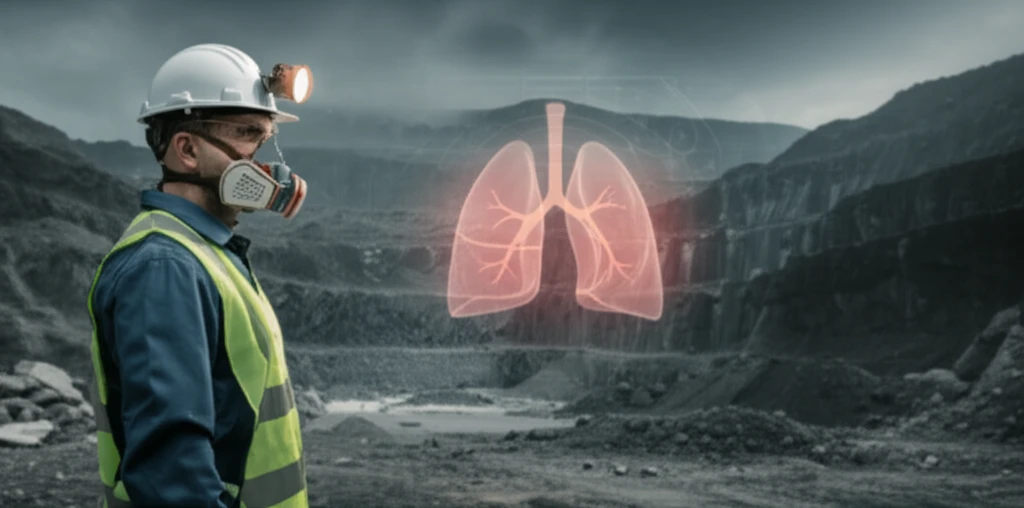
Breathing Easy: How Quarry Work Impacts Your Lungs & What You Can Do About It

"Unveiling the Risks: A Deep Dive into Respiratory Health for Quarry Workers, and Actionable Steps to Protect Your Lungs."
Working in the quarry industry, while essential for construction and resource extraction, exposes workers to a variety of health hazards. Among these, the risk to respiratory health is significant. Airborne dust, generated from the crushing and processing of stone, can lead to various respiratory problems, impacting the well-being of those who work in these environments.
This article delves into the specific respiratory symptoms and potential lung function impairments among quarry workers. Using research, we'll explore the prevalence of these issues and highlight the importance of preventative measures. By understanding the risks and implementing protective strategies, quarry workers can significantly reduce their exposure and safeguard their lung health.
The goal is to provide clear, actionable information. This is for both quarry workers and anyone interested in occupational health and safety. We aim to empower readers with the knowledge to advocate for safer working conditions and protect their respiratory well-being.
The Dust Bowl Within: Respiratory Challenges in the Quarry Environment
Quarry work involves activities that generate substantial amounts of dust. This dust, composed of fine particles from stone and other materials, is easily inhaled. Once in the respiratory system, these particles can cause a range of health issues, from minor irritations to chronic and debilitating diseases. The severity of these problems often depends on the type of dust, the duration of exposure, and the protective measures in place.
- Chest Tightness: A feeling of pressure or constriction in the chest, making it difficult to breathe.
- Cough: A reflex action to clear the airways, often triggered by irritation from dust particles.
- Sputum Production: The coughing up of mucus, which may contain dust particles and indicate inflammation.
- Dyspnea: Shortness of breath, a sign that the lungs are not functioning properly.
- Wheezing: A whistling sound during breathing, indicating narrowed airways.
- Nasal Congestion: Blockage or stuffiness in the nasal passages.
Breathing for a Better Future: Prioritizing Respiratory Health in Quarry Work
The research underscores the importance of protecting respiratory health in quarry work. By understanding the risks, promoting preventative measures, and advocating for safer work environments, quarry workers can breathe easier and enjoy a healthier future. This requires a commitment from workers, employers, and policymakers to ensure that every individual in the quarry industry has the right to work in a safe and healthy environment. Prioritizing respiratory health isn't just a matter of compliance; it's a commitment to human well-being.