
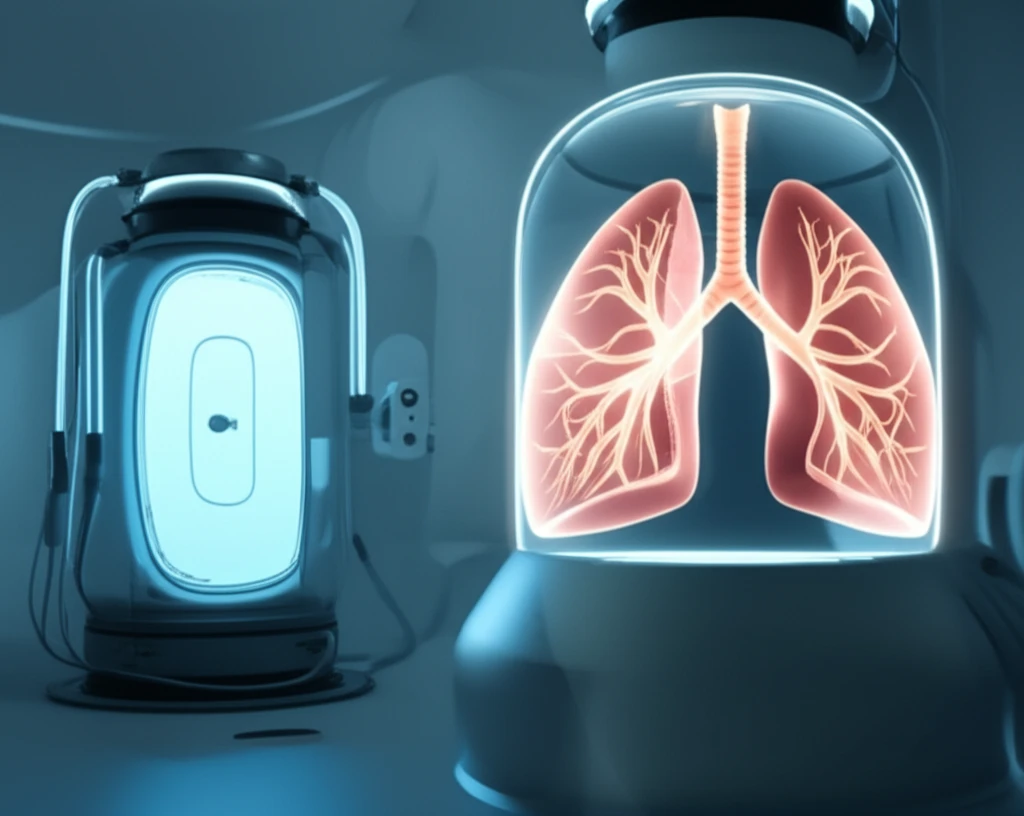
Illustration of a clean oxygen chamber with healthy lungs in the background

Breathing Easy: How Clean Oxygen Chambers Can Protect Your Health

"Understanding the Vital Role of Cleanliness in Oxygen Therapy"


In the world of modern medicine, oxygen therapy is a cornerstone of care, helping countless individuals breathe easier and recover from various illnesses. However, a critical, often overlooked aspect of this life-saving treatment is the cleanliness of the equipment delivering the oxygen, specifically the oxygen-moisturizing chambers. These chambers, designed to add moisture to the oxygen, can inadvertently become breeding grounds for harmful bacteria and fungi, posing a significant risk to patients.

This article delves into the importance of maintaining clean oxygen chambers, highlighting the potential dangers of contamination, and exploring the protocols and practices that healthcare providers can implement to ensure patient safety. We'll explore the science behind the issue, the risks involved, and the practical steps that can make a difference.

By understanding the importance of clean oxygen chambers, we can advocate for better practices and contribute to a safer, more effective healthcare environment. This knowledge empowers both healthcare professionals and patients to take an active role in infection prevention, ensuring that the benefits of oxygen therapy are realized without compromising health.

The Silent Threat: Why Contaminated Oxygen Chambers Matter

Illustration of a clean oxygen chamber with healthy lungs in the background

Oxygen-moisturizing chambers, while essential for patient comfort and respiratory health, can harbor a range of microorganisms. The moist environment inside these chambers creates an ideal breeding ground for bacteria, fungi, and other pathogens. When these chambers are not properly cleaned and maintained, patients can be exposed to these harmful microorganisms through the very treatment meant to help them. This can lead to severe complications, especially for those already vulnerable due to illness.

The risks associated with contaminated oxygen chambers are multifaceted. Patients can develop respiratory infections, which can worsen their existing conditions and prolong hospital stays. These infections can also lead to more severe outcomes, including pneumonia and sepsis. The spread of antibiotic-resistant bacteria within healthcare settings is a growing concern, and contaminated equipment can contribute to this problem. This underscores the importance of rigorous cleaning and disinfection protocols.

  • Increased Risk of Infection: Patients are directly exposed to pathogens.
  • Worsening of Existing Conditions: Infections can exacerbate underlying respiratory issues.
  • Prolonged Hospital Stays: Complications lead to longer recovery times and higher healthcare costs.
  • Development of Antibiotic Resistance: Contaminated equipment can facilitate the spread of resistant strains.
  • Potential for Severe Outcomes: Infections can lead to pneumonia, sepsis, and even death.
The problem isn't limited to hospitals; any setting where oxygen therapy is administered, including rehabilitation centers, nursing homes, and even home healthcare environments, can be affected. This widespread potential for exposure makes the issue of oxygen chamber cleanliness a universal concern for anyone receiving respiratory support.

Breathing Easier: A Call to Action

The cleanliness of oxygen-moisturizing chambers is a crucial but often underestimated aspect of respiratory care. By understanding the risks, supporting best practices, and advocating for continuous improvement, we can help protect those who rely on oxygen therapy. Implementing and adhering to strict cleaning and maintenance protocols isn't just good practice; it's a critical step toward providing safe and effective care. Let's make clean oxygen chambers a standard, ensuring every breath taken is a step toward recovery, not a step toward further complications.

About this Article -

This article was crafted using a human-AI hybrid and collaborative approach. AI assisted our team with initial drafting, research insights, identifying key questions, and image generation. Our human editors guided topic selection, defined the angle, structured the content, ensured factual accuracy and relevance, refined the tone, and conducted thorough editing to deliver helpful, high-quality information.See our About page for more information.

This article is based on research published under:

DOI-LINK: 10.5539/gjhs.v9n2p160, Alternate LINK

Title: Effects Of A Protocol For The Preparation Of Oxygen-Moisturizing Chambers On The Count Of Its Bacteria Colony

Subject: General Medicine

Journal: Global Journal of Health Science

Publisher: Canadian Center of Science and Education

Authors: Reyhaneh Alikhani, Mohsen Shahriari, Sina Mobasherizadeh

Published: 2016-06-30

Everything You Need To Know

1

Why is cleanliness so vital in oxygen therapy, particularly concerning oxygen-moisturizing chambers?

Cleanliness in oxygen therapy is vital because oxygen-moisturizing chambers can easily become breeding grounds for harmful microorganisms like bacteria and fungi. If these chambers are not properly cleaned and maintained, patients can be exposed to these pathogens during their treatment, leading to respiratory infections, pneumonia, sepsis, and potentially worsening existing conditions. Rigorous cleaning and disinfection protocols are essential to prevent these complications and ensure patient safety. This also helps prevent the spread of antibiotic-resistant bacteria within healthcare settings.

2

What are the primary risks associated with using contaminated oxygen chambers in healthcare settings?

The primary risks of using contaminated oxygen chambers include increased risk of infection, worsening of existing respiratory conditions, prolonged hospital stays due to complications, development of antibiotic resistance, and the potential for severe outcomes such as pneumonia and sepsis. Patients exposed to pathogens in contaminated chambers can develop respiratory infections that exacerbate their underlying conditions and lead to longer recovery times and higher healthcare costs. Furthermore, contaminated equipment can facilitate the spread of antibiotic-resistant bacteria, posing a significant threat to patient health.

3

Beyond hospitals, where else is the cleanliness of oxygen-moisturizing chambers a concern, and why?

The cleanliness of oxygen-moisturizing chambers is a concern in any setting where oxygen therapy is administered, including rehabilitation centers, nursing homes, and even home healthcare environments. The potential for exposure to harmful microorganisms exists wherever these chambers are used. This makes the issue a universal concern for anyone receiving respiratory support, as these locations may not have the same rigorous cleaning and maintenance protocols as hospitals, increasing the risk of contamination and subsequent infection.

4

How can healthcare providers ensure the oxygen-moisturizing chambers they use are safe for patients?

Healthcare providers can ensure the safety of oxygen-moisturizing chambers by implementing and adhering to strict cleaning and maintenance protocols. This includes regular disinfection of the chambers to prevent the growth of bacteria, fungi, and other pathogens. Continuous improvement in cleaning practices and a commitment to best practices are also essential. By prioritizing the cleanliness of these chambers, healthcare providers can significantly reduce the risk of infection and ensure that patients receive safe and effective respiratory care.

5

What role can patients and their advocates play in ensuring the cleanliness of oxygen equipment?

Patients and their advocates can play a crucial role by understanding the importance of clean oxygen chambers and actively participating in infection prevention. They can inquire about the cleaning and maintenance protocols used for oxygen equipment in healthcare settings. By advocating for best practices and continuous improvement, patients can help ensure that healthcare facilities prioritize the cleanliness of oxygen-moisturizing chambers. This proactive approach can contribute to a safer healthcare environment, reducing the risk of complications and promoting better health outcomes for those who rely on oxygen therapy. This may involve requesting information on cleaning schedules and disinfection methods.

Newsletter Subscribe

Subscribe to get the latest articles and insights directly in your inbox.