
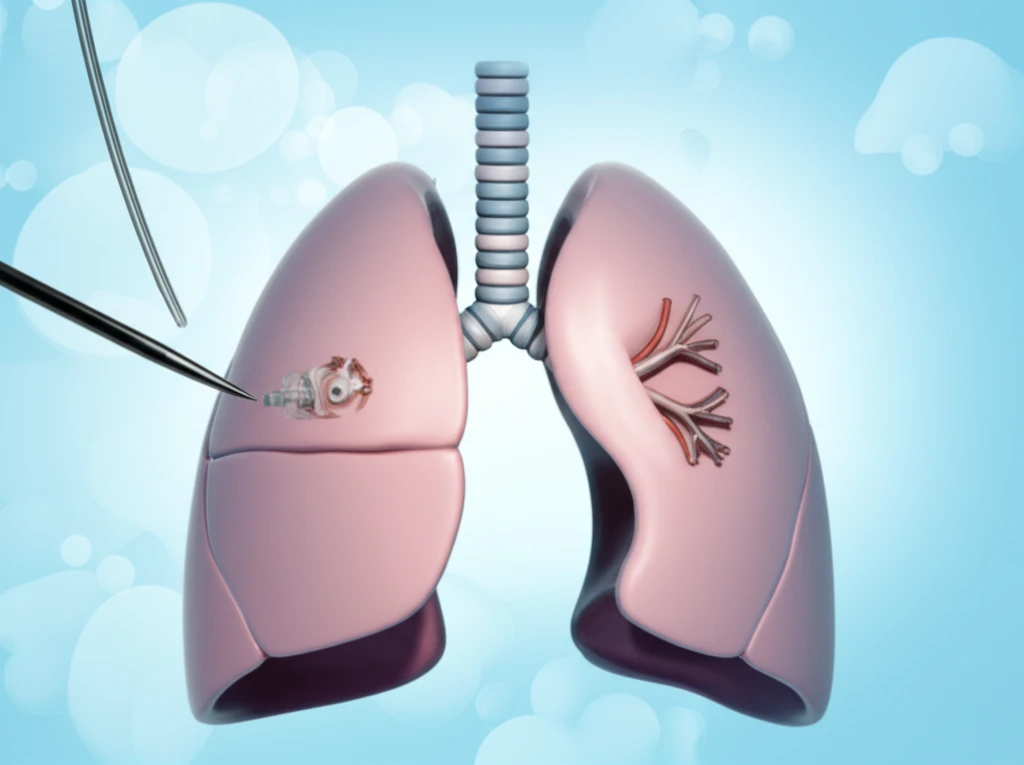
Breathing Easier: New Bronchoscopic Treatments Revolutionizing Emphysema and Air Leak Management

"Cutting-Edge Techniques Offer Hope for Patients with Chronic Lung Disease and Persistent Air Leaks"
Chronic Obstructive Pulmonary Disease (COPD) is a formidable adversary, impacting millions worldwide. Among its devastating effects, emphysema stands out as a particularly challenging condition. Characterized by the gradual destruction of lung tissue, emphysema leads to breathlessness and a significant decline in quality of life. Furthermore, persistent air leaks, a complication often associated with lung surgeries and other interventions, pose another significant hurdle for respiratory health. But there's good news: the landscape of treatment is evolving, with groundbreaking advancements in bronchoscopic techniques offering new hope for those affected.
Traditional treatments for these conditions often involve invasive surgical procedures, which can come with significant risks and recovery times. However, in recent years, a surge of innovation in the field of pulmonology has brought forth a range of minimally invasive, bronchoscopic options. These techniques use a bronchoscope—a thin, flexible tube with a camera—to access the airways and perform procedures without the need for large incisions. This means less pain, quicker recovery, and a potentially better outcome for patients.
This article will explore the exciting world of bronchoscopic emphysema treatment and air leak management. We'll delve into the different techniques, including endobronchial valves, and discuss how these procedures are changing lives. We'll also discuss the latest research, what to expect from these treatments, and how they are paving the way for a future where chronic lung conditions and air leaks are more manageable than ever before. This information is designed to provide understanding for those affected, and offer information for those seeking to know more.
Unlocking Relief: Understanding Bronchoscopic Procedures
Bronchoscopic procedures represent a paradigm shift in the treatment of emphysema and persistent air leaks. These innovative techniques aim to achieve the same goals as traditional surgery – reducing lung volume, sealing leaks, and improving respiratory function – but with a minimally invasive approach. This translates to less trauma, faster healing, and a potentially improved quality of life for patients. Several methods are available, each with its own unique mechanism and application. The success of these treatments often depends on the specific needs of the patient, the severity of the condition, and the expertise of the medical team.
- Endobronchial Valves: Tiny valves placed in the airways to block off diseased lung segments, allowing healthier parts of the lung to function better.
- Air Leak Treatments: Similar valve technology is used to seal persistent air leaks, promoting healing and preventing air escape.
- Silicone Balloons: Used to block the air flow into the lung tissue.
- Endobronchial Coils: These devices retract the pulmonary parenchyma.
- Watanabe Spigots: Silicone devices with lateral studs used to anchor into bronchial walls.
A Breath of Fresh Air: The Future of Lung Health
The field of bronchoscopic treatments for emphysema and persistent air leaks is rapidly advancing, bringing hope and improved quality of life to countless individuals. As technology continues to evolve and research uncovers new insights, these innovative procedures are poised to become even more effective and accessible. Patients dealing with the challenges of chronic lung conditions now have more options than ever before, with the potential to breathe easier and live fuller lives. It's an exciting time for pulmonary medicine, offering a glimpse into a future where respiratory health is better managed and the burden of lung disease is significantly reduced.