
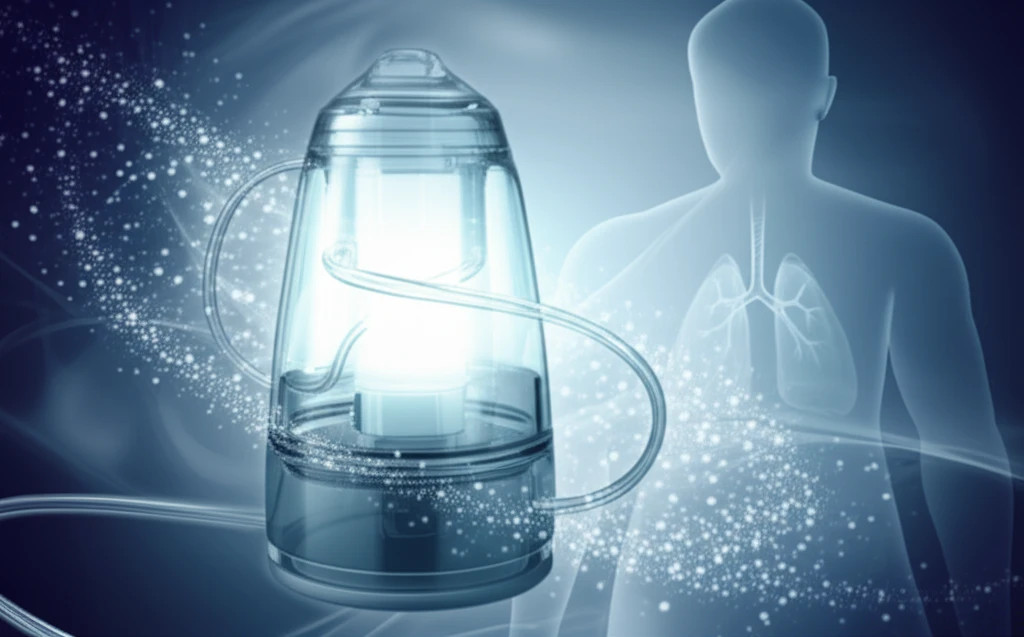
Clean oxygen humidifier promoting respiratory health.

Breathe Easy: How to Keep Your Oxygen Humidifier Germ-Free

"Simple steps to significantly reduce bacteria in oxygen chambers and protect your respiratory health."


Hospitals and healthcare facilities face an ongoing challenge: nosocomial infections. These infections, acquired in a healthcare setting, can lead to severe complications, increased treatment costs, and prolonged hospital stays. Respiratory infections are particularly concerning, accounting for a significant percentage of all nosocomial infections.

One potential source of respiratory infections is the oxygen-moisturizing chambers used to deliver supplemental oxygen. These chambers, designed to add moisture to the oxygen, can inadvertently become breeding grounds for bacteria and other microorganisms. These contaminants can then be transmitted to patients, increasing their risk of infection.

A recent study investigated the effectiveness of a specific care protocol in reducing bacterial contamination in oxygen-moisturizing chambers. This protocol offers a practical, evidence-based approach to improving patient safety and minimizing the risk of respiratory infections. Understanding the findings of this research can empower both healthcare professionals and individuals using home oxygen therapy to take proactive steps in maintaining a cleaner, healthier environment.

Why Oxygen Humidifier Cleanliness Matters: Understanding the Risks

Clean oxygen humidifier promoting respiratory health.

Before diving into the specifics of the cleaning protocol, it's crucial to understand the potential dangers of contaminated oxygen humidifiers. Bacteria, fungi, and other microorganisms can thrive in the moist environment of these chambers. Common culprits include:

These microorganisms aren't just harmless bystanders; they can cause a range of respiratory infections, from mild bronchitis to severe pneumonia. Immunocompromised individuals and those with pre-existing respiratory conditions are particularly vulnerable.

  • Lactobacillus spp: While often considered beneficial, some strains can cause opportunistic infections.
  • Bacillus spp: Some species are harmless, while others can cause serious infections, particularly in vulnerable individuals.
  • Pseudomonas aeruginosa: A notorious opportunistic pathogen that can cause severe respiratory infections, especially in hospital settings.
  • Coagulase-negative staphylococci: Common skin bacteria that can cause infections if they enter the body.
  • Acinetobacter baumannii: A multidrug-resistant bacterium that can cause pneumonia and other serious infections.
  • Escherichia coli: Commonly associated with urinary tract infections, but can also cause respiratory infections.
  • Fungus spp: Fungal infections can be particularly dangerous for individuals with weakened immune systems.
Given these risks, maintaining the cleanliness of oxygen humidifiers is not merely a matter of hygiene; it's a critical component of infection control and patient safety.

Taking Control: Implementing a Simple, Effective Cleaning Protocol

The study clearly demonstrates that implementing a standardized care protocol can significantly reduce bacterial contamination in oxygen-moisturizing chambers. By following these simple yet effective steps, healthcare professionals and individuals using home oxygen therapy can create a safer, healthier breathing environment. Prioritizing humidifier hygiene is a proactive step towards preventing respiratory infections and promoting overall well-being.

About this Article -

This article was crafted using a human-AI hybrid and collaborative approach. AI assisted our team with initial drafting, research insights, identifying key questions, and image generation. Our human editors guided topic selection, defined the angle, structured the content, ensured factual accuracy and relevance, refined the tone, and conducted thorough editing to deliver helpful, high-quality information.See our About page for more information.

Everything You Need To Know

1

Why is it important to keep oxygen humidifiers clean?

Maintaining clean oxygen humidifiers is crucial because the moist environment can become a breeding ground for microorganisms like *Lactobacillus spp*, *Bacillus spp*, *Pseudomonas aeruginosa*, *Coagulase-negative staphylococci*, *Acinetobacter baumannii*, *Escherichia coli*, and various *Fungus spp*. These microorganisms can cause respiratory infections, posing a significant risk, especially to immunocompromised individuals and those with pre-existing respiratory conditions. Cleanliness is a critical component of infection control and patient safety, helping to prevent nosocomial infections and promote overall respiratory health.

2

What are the primary types of microorganisms that can be found in contaminated oxygen humidifiers, and what potential infections can they cause?

Contaminated oxygen humidifiers can harbor various microorganisms, including *Lactobacillus spp*, which, while often beneficial, can sometimes cause opportunistic infections. *Bacillus spp* can range from harmless to causing serious infections in vulnerable individuals. *Pseudomonas aeruginosa* is a particularly dangerous opportunistic pathogen that can lead to severe respiratory infections, especially in healthcare settings. *Coagulase-negative staphylococci*, common skin bacteria, can cause infections if they enter the body. *Acinetobacter baumannii*, a multidrug-resistant bacterium, can cause pneumonia, while *Escherichia coli* can lead to respiratory infections alongside its more common association with urinary tract infections. *Fungus spp* pose a particular threat to individuals with weakened immune systems.

3

How can healthcare facilities benefit from implementing a standardized care protocol for oxygen-moisturizing chambers?

Implementing a standardized care protocol for oxygen-moisturizing chambers in healthcare facilities can significantly reduce bacterial contamination, thereby minimizing the risk of nosocomial respiratory infections. By adhering to a consistent cleaning procedure, hospitals can create a safer environment for patients, particularly those who are immunocompromised or have pre-existing respiratory conditions. The reduction in infections can lead to decreased treatment costs, shorter hospital stays, and improved patient outcomes, ultimately enhancing the facility's reputation and quality of care. The specific components of a care protocol need to be implemented to gain such a benefit.

4

What are nosocomial infections, and why are respiratory infections a significant concern in healthcare settings?

Nosocomial infections are infections acquired in a healthcare setting. Respiratory infections are a significant concern because they account for a substantial percentage of all nosocomial infections. These infections can lead to severe complications, increased treatment costs, and prolonged hospital stays. Oxygen-moisturizing chambers, if not properly maintained, can become breeding grounds for bacteria and other microorganisms, increasing the risk of transmitting these infections to patients. Therefore, preventing respiratory infections is crucial for patient safety and overall healthcare quality.

5

Beyond the microorganisms listed, what other factors contribute to the contamination of oxygen humidifiers, and how can these factors be addressed to further improve the effectiveness of cleaning protocols?

While the microorganisms mentioned (*Lactobacillus spp*, *Bacillus spp*, *Pseudomonas aeruginosa*, *Coagulase-negative staphylococci*, *Acinetobacter baumannii*, *Escherichia coli*, and various *Fungus spp*) are significant contributors to humidifier contamination, other factors can exacerbate the problem. These include the quality of water used in the humidifier (tap water vs. sterile water), the frequency of water changes, the material composition of the humidifier chamber (some materials may be more prone to biofilm formation), and the ambient environmental conditions (temperature and humidity). Addressing these factors could involve using only sterile water, implementing more frequent water changes, selecting humidifier chambers made of materials resistant to biofilm formation, and controlling the environmental conditions in the patient care area. These additional measures, when combined with a standardized cleaning protocol, can further reduce the risk of contamination and improve patient safety. More complex cleaning protocols can also be investigated.

Newsletter Subscribe

Subscribe to get the latest articles and insights directly in your inbox.