
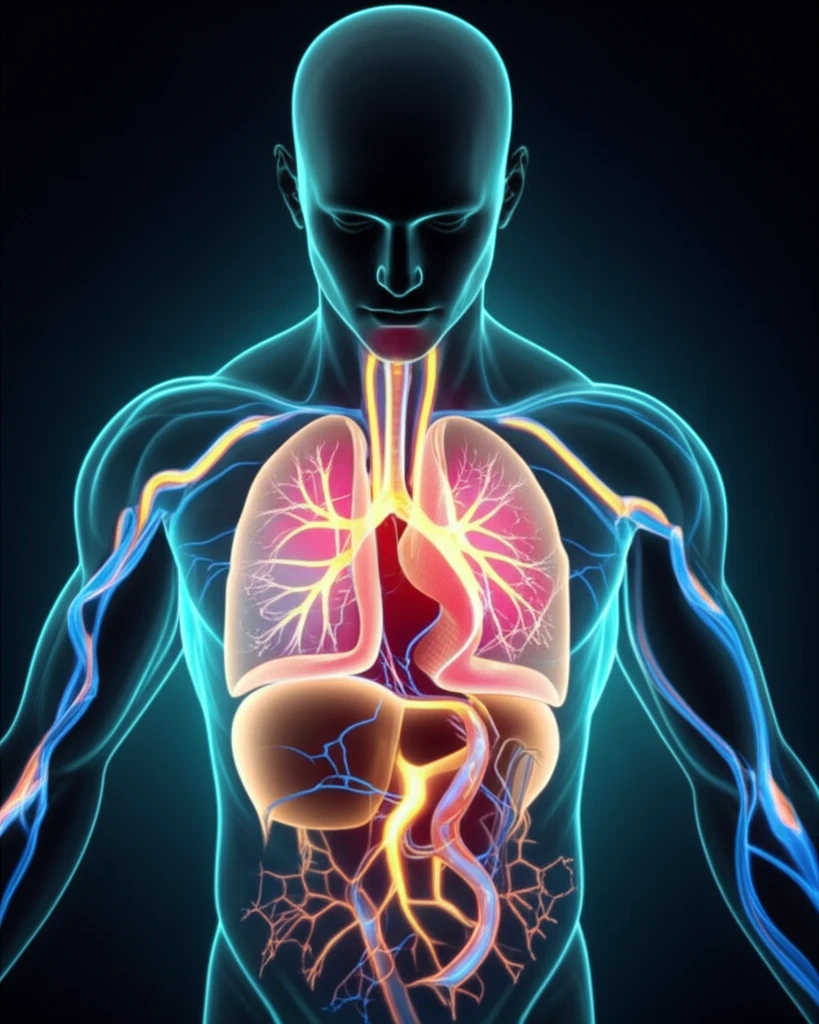
Illustration of a person with glowing lungs and electrical impulses, symbolizing TEDS therapy.

Breathe Easier: How Electrical Stimulation Could Revolutionize Respiratory Health

"Unlocking Lung Power: Exploring the Potential of Electrical Stimulation in Respiratory Therapy"


In the realm of healthcare, innovation is constantly reshaping how we approach age-old problems. One such area undergoing a remarkable transformation is respiratory health. For individuals grappling with breathing difficulties, every breath can be a challenge. Fortunately, cutting-edge therapies are emerging, offering new avenues for relief and improved quality of life. Among these, transcutaneous electrical diaphragmatic stimulation (TEDS) stands out as a promising technique, poised to revolutionize the way we support and enhance respiratory function.

This article delves into the fascinating world of TEDS, exploring its mechanisms, benefits, and real-world applications. We'll uncover how this innovative therapy works, who can benefit from it, and the potential it holds for the future of respiratory care. Whether you're a patient seeking new treatments, a healthcare professional looking to expand your knowledge, or simply curious about the latest advancements in medicine, this exploration of TEDS offers valuable insights.

Breathing, a fundamental aspect of human existence, is often taken for granted until it becomes labored. Conditions like chronic obstructive pulmonary disease (COPD), post-surgical complications, and other respiratory ailments can severely impact one's ability to breathe comfortably. TEDS offers a beacon of hope, providing a non-invasive method to strengthen respiratory muscles, improve lung function, and enhance overall well-being. Let's embark on a journey to understand how TEDS is making a difference in the lives of many.

Understanding Transcutaneous Electrical Diaphragmatic Stimulation (TEDS)

Illustration of a person with glowing lungs and electrical impulses, symbolizing TEDS therapy.

At the heart of TEDS lies a straightforward concept: stimulating the diaphragm, the primary muscle responsible for breathing, using gentle electrical impulses. These impulses, delivered through electrodes placed on the skin, trigger the diaphragm to contract, mimicking natural breathing patterns. This non-invasive approach offers a range of benefits, making it an attractive option for various respiratory conditions.

The process involves the use of a device that delivers electrical stimulation through electrodes placed on the skin, typically over the diaphragm muscle. The electrical impulses cause the diaphragm to contract, similar to how it functions during normal breathing. The controlled contractions help strengthen the diaphragm and improve its efficiency. The stimulation parameters, such as frequency and intensity, are carefully adjusted to optimize the therapeutic effects. The therapy is generally painless and well-tolerated by patients.

  • Improved Respiratory Muscle Strength: TEDS strengthens the diaphragm, the main muscle for breathing, leading to more efficient breathing.
  • Enhanced Lung Volumes: The therapy can increase lung capacity, making it easier to take deeper breaths.
  • Increased Exercise Tolerance: By improving respiratory function, TEDS can enhance a person's ability to perform physical activities without excessive breathlessness.
  • Better Quality of Life: TEDS can significantly improve the overall quality of life for individuals with respiratory conditions, allowing them to engage more fully in daily activities.
TEDS is a versatile therapy that has shown promise in various clinical settings. Studies have indicated its potential in managing conditions such as COPD, where it can improve lung function and exercise capacity. Additionally, it has been used to aid in weaning patients off mechanical ventilation after surgery, and even in healthy individuals to enhance respiratory performance. TEDS provides a drug-free approach, offering a valuable tool in the fight against respiratory diseases.

Embracing the Future of Respiratory Health

TEDS represents a significant leap forward in the treatment of respiratory disorders. By harnessing the power of electrical stimulation, it offers a non-invasive and effective method to enhance lung function, strengthen respiratory muscles, and improve the overall quality of life. As research continues to unfold, TEDS promises to play an increasingly vital role in the future of respiratory health, offering hope and improved breathing for countless individuals.

About this Article -

This article was crafted using a human-AI hybrid and collaborative approach. AI assisted our team with initial drafting, research insights, identifying key questions, and image generation. Our human editors guided topic selection, defined the angle, structured the content, ensured factual accuracy and relevance, refined the tone, and conducted thorough editing to deliver helpful, high-quality information.See our About page for more information.

This article is based on research published under:

DOI-LINK: 10.11606/issn.2176-7262.v48i5p491-500, Alternate LINK

Title: Efetividade Da Estimulação Diafragmática Elétrica Transcutânea Na Força Muscular Respiratória, Volumes E Capacidades Pulmonares: Revisão Sistemática

Subject: General Medicine

Journal: Medicina (Ribeirão Preto)

Publisher: Universidade de Sao Paulo, Agencia USP de Gestao da Informacao Academica (AGUIA)

Authors: Lucas Lima Ferreira, Juliana R. C. Mello, Marcus Vinicius C. Brito, Odete Maud Cavenaghi

Published: 2015-10-21

Everything You Need To Know

1

What is transcutaneous electrical diaphragmatic stimulation (TEDS) and how does it work to improve breathing?

Transcutaneous electrical diaphragmatic stimulation (TEDS) is a non-invasive therapy designed to improve breathing by stimulating the diaphragm, which is the main muscle responsible for breathing. During TEDS, gentle electrical impulses are delivered through electrodes placed on the skin, typically over the diaphragm muscle. These impulses cause the diaphragm to contract, mimicking natural breathing patterns. This process helps strengthen the diaphragm and improve its efficiency, leading to enhanced respiratory function. The stimulation parameters are carefully adjusted to optimize therapeutic effects, and the therapy is generally painless and well-tolerated.

2

What are the primary benefits of using transcutaneous electrical diaphragmatic stimulation (TEDS) for respiratory conditions?

The primary benefits of using transcutaneous electrical diaphragmatic stimulation (TEDS) include improved respiratory muscle strength, particularly in the diaphragm, leading to more efficient breathing. TEDS can also enhance lung volumes, making it easier to take deeper breaths. Increased exercise tolerance is another significant benefit, as improved respiratory function allows individuals to perform physical activities with less breathlessness. Overall, TEDS can significantly improve the quality of life for those with respiratory conditions by enabling them to engage more fully in daily activities. While the therapeutic effects of TEDS are promising, it's important to consider the duration of these benefits and the long-term effects on different patient populations.

3

For which conditions is transcutaneous electrical diaphragmatic stimulation (TEDS) considered a beneficial treatment option?

Transcutaneous electrical diaphragmatic stimulation (TEDS) has shown promise in managing conditions such as chronic obstructive pulmonary disease (COPD), where it can improve lung function and exercise capacity. It has also been utilized to aid in weaning patients off mechanical ventilation after surgery. Furthermore, TEDS has been explored for enhancing respiratory performance even in healthy individuals. While TEDS offers a drug-free approach to improving respiratory function, it's important to note that the efficacy may vary depending on the specific respiratory condition and individual patient characteristics.

4

How does transcutaneous electrical diaphragmatic stimulation (TEDS) compare to other treatments for respiratory disorders, and what are its advantages?

Transcutaneous electrical diaphragmatic stimulation (TEDS) offers a non-invasive alternative to more traditional treatments for respiratory disorders. Unlike medications or invasive procedures, TEDS strengthens the diaphragm through gentle electrical impulses delivered via electrodes on the skin. This approach can improve lung function, increase exercise tolerance, and enhance overall quality of life without the side effects associated with drugs or the risks of surgery. While TEDS is promising, further research is needed to directly compare its effectiveness with other interventions and to determine the optimal treatment protocols for different respiratory conditions.

5

What advancements are anticipated in the future for transcutaneous electrical diaphragmatic stimulation (TEDS) and how might they impact respiratory care?

In the future, advancements in transcutaneous electrical diaphragmatic stimulation (TEDS) are expected to play an increasingly vital role in respiratory health. As research continues, TEDS promises to become more refined and effective, offering improved breathing for countless individuals. Potential advancements include optimizing stimulation parameters, personalizing treatment plans based on individual patient needs, and integrating TEDS with other respiratory therapies to achieve synergistic effects. These developments could lead to enhanced lung function, strengthened respiratory muscles, and a better overall quality of life for those with respiratory disorders. The development of more portable and user-friendly TEDS devices could also expand its accessibility and allow for at-home therapy.

Newsletter Subscribe

Subscribe to get the latest articles and insights directly in your inbox.