
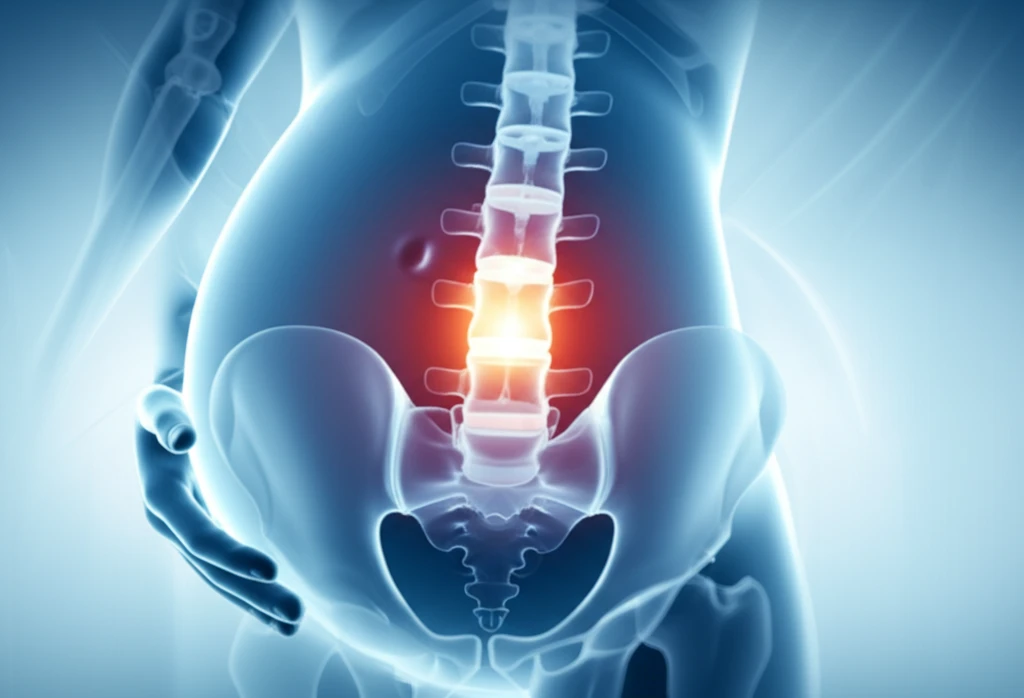
Breakthrough Pain During Labor? Discover How Targeted Epidural Injections Can Help

"A new study explores how strategically placed epidural injections can significantly reduce breakthrough pain during labor, offering valuable insights for expectant mothers."
Labor pain is a significant concern for many expectant mothers. While epidural analgesia is a common and effective method for pain relief, some women experience breakthrough pain, which can diminish the overall birthing experience. Breakthrough pain occurs when the pain relief provided by the epidural becomes insufficient, leading to discomfort and anxiety.
Traditional continuous epidural infusions deliver a steady stream of medication, but this approach may not always address the dynamic nature of labor pain. Recent research has focused on optimizing epidural techniques to provide more targeted and effective pain management. One promising area of investigation is the use of regular intermittent epidural injections (RIEI) combined with different puncture points.
A study published in the Journal of Obstetrics and Gynaecology explores how varying the puncture points of epidural injections can impact the effectiveness of pain relief during labor. This article breaks down the findings of this research and discusses how these techniques could potentially improve the labor and delivery experience for women.
Targeted Epidural Injections: How Do Different Puncture Points Impact Pain Relief?
The study, conducted by Chunli Wu, Baolin Shi, and Hong Jiang, investigated the clinical effects of regular intermittent epidural injections (RIEI) combined with different puncture points (dPP) in suppressing breakthrough pain during labor analgesia. The researchers aimed to determine if varying the location of the epidural injection could lead to more effective pain management.
- Group A: L2-3 puncture point
- Group B: L3-4 puncture point
- Group C: L4-5 puncture point
Empowering Mothers Through Informed Choices
While the study highlights the potential benefits of targeted epidural injections, it's essential for expectant mothers to discuss their pain management options with their healthcare providers. Understanding the different techniques available and their potential impact can empower women to make informed choices that align with their preferences and needs. The study by Wu, Shi, and Jiang provides valuable insights into optimizing epidural analgesia and offers a promising avenue for future research in labor pain management.