
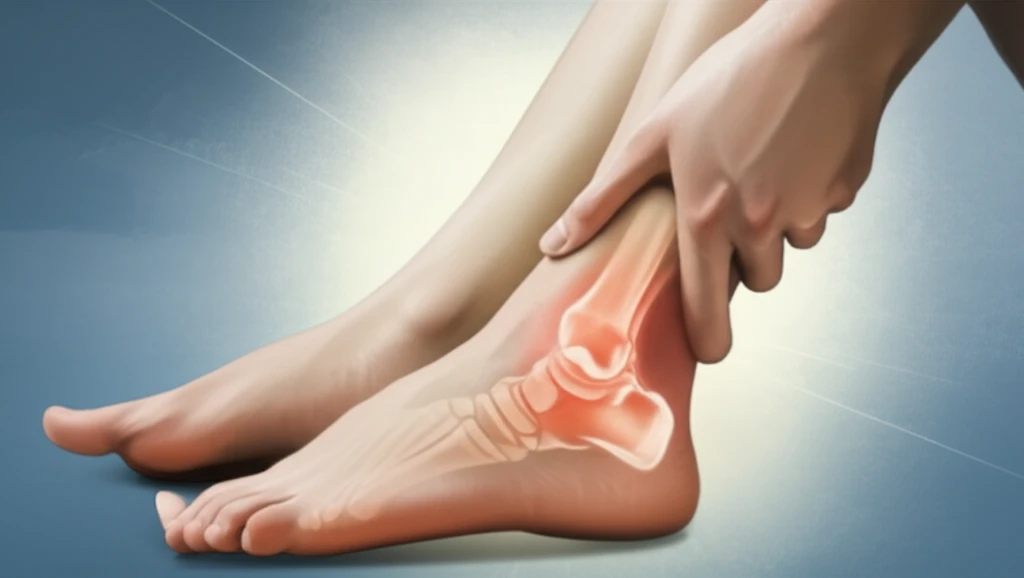
Illustration of a person experiencing gout with light radiating from the joint.

Breaking News: New Hope for Gout Sufferers – Fresh Insights and Treatments Unveiled

"Groundbreaking research offers renewed optimism for those battling gout, with innovative therapies and a deeper understanding of the condition's complexities."


Gout, an inflammatory arthritis characterized by sudden, severe attacks of pain, swelling, redness, and tenderness in one or more joints, is a condition that affects millions worldwide. Historically, managing gout has been a challenge, often involving a combination of lifestyle adjustments and medications. However, recent advancements in medical research are providing new hope and more effective treatment options for those suffering from this often debilitating condition.

The quest to alleviate the suffering caused by gout has led researchers to explore new avenues, including the development of novel drugs and a better understanding of the underlying mechanisms of the disease. This article explores these latest breakthroughs, offering a glimpse into the future of gout treatment and providing valuable insights for individuals, caregivers, and healthcare professionals.

This article aims to shed light on the latest advancements in gout treatment, highlighting the efficacy and safety of new medications, the significance of early intervention, and the importance of a holistic approach to managing the condition. It offers a comprehensive overview of the current state of gout management, empowering readers with knowledge and hope.

Unveiling the Latest Research: New Insights into Gout Management

Illustration of a person experiencing gout with light radiating from the joint.

Recent studies have focused on enhancing the efficacy and safety of existing treatments and exploring innovative approaches to address the challenges of gout management. These studies have involved a variety of treatment options, from pharmaceuticals to lifestyle modifications. These advances are significant, offering a new horizon for patients seeking effective relief and improved quality of life.

One of the most promising areas of research involves the use of new formulations of existing medications. For example, research has explored the use of canakinumab in treating gout in patients with chronic kidney disease. This is particularly significant because kidney disease limits treatment options, making new options very welcome. By analyzing the safety profile and outcomes of new therapies, medical experts are getting closer to individualized and effective treatment plans.

  • New formulations of established drugs are showing enhanced effectiveness.
  • Lifestyle modifications, including dietary changes, are key components of treatment.
  • Research into the underlying mechanisms of gout offers new therapeutic targets.
  • Focus on personalized medicine, tailoring treatments to individual patient needs.
Beyond pharmacological interventions, researchers are also emphasizing the importance of lifestyle modifications. Dietary adjustments, such as reducing the intake of purine-rich foods and maintaining a healthy weight, have been shown to significantly reduce the frequency and severity of gout attacks. Increased focus on a holistic approach, including regular exercise and stress management, is yielding positive results.

The Future of Gout Treatment: A Path Towards Relief and Improved Quality of Life

As research continues, the outlook for individuals with gout is promising. With the development of new therapies, the emphasis on early intervention, and the integration of lifestyle modifications, the future of gout treatment is one of hope and improved well-being. Staying informed about the latest breakthroughs and working closely with healthcare providers are critical steps in effectively managing gout and improving overall quality of life.

About this Article -

This article was crafted using a human-AI hybrid and collaborative approach. AI assisted our team with initial drafting, research insights, identifying key questions, and image generation. Our human editors guided topic selection, defined the angle, structured the content, ensured factual accuracy and relevance, refined the tone, and conducted thorough editing to deliver helpful, high-quality information.See our About page for more information.

Everything You Need To Know

1

What is gout and what are its primary symptoms?

Gout is an inflammatory arthritis characterized by sudden, severe attacks of pain, swelling, redness, and tenderness in one or more joints. Managing gout has traditionally involved lifestyle adjustments and medications, but recent research is providing new hope with more effective treatment options.

2

What advancements have been made in understanding the underlying mechanisms of gout, and how might this lead to novel therapies?

Researchers are exploring new avenues, including the development of novel drugs and a better understanding of the underlying mechanisms of gout. This deeper understanding is leading to the identification of new therapeutic targets, allowing for more precise and effective interventions. For example, new formulations of existing medications, such as canakinumab, are being explored for their effectiveness in treating gout, particularly in patients with chronic kidney disease where treatment options are limited.

3

Beyond medication, what role do lifestyle modifications play in managing gout?

Lifestyle modifications are key components of gout treatment. Dietary adjustments, such as reducing the intake of purine-rich foods and maintaining a healthy weight, can significantly reduce the frequency and severity of gout attacks. A holistic approach, including regular exercise and stress management, yields positive results.

4

How is research into personalized medicine impacting the future of gout treatment?

Research is focused on personalized medicine, tailoring treatments to individual patient needs. By analyzing the safety profile and outcomes of new therapies, medical experts are getting closer to individualized and effective treatment plans. This approach ensures that patients receive the most appropriate and targeted care based on their unique circumstances and health conditions.

5

What is the significance of early intervention in managing gout, and how does it contribute to improved quality of life?

Early intervention is crucial in managing gout to prevent the condition from progressing and causing long-term damage. By promptly addressing gout with appropriate treatments and lifestyle modifications, individuals can experience significant relief from symptoms and improve their overall quality of life. Staying informed about the latest breakthroughs and working closely with healthcare providers are critical steps in effectively managing gout and preventing further complications.

Newsletter Subscribe

Subscribe to get the latest articles and insights directly in your inbox.