
Brain Trauma and Recovery: Can Vitronectin and IGF-1 Unlock Neurite Growth?

"Unraveling the Mysteries of Neurite Growth: How Vitronectin and IGF-1 Might Hold the Key to Brain Injury Recovery"
Brain injuries, whether from accidents, strokes, or other traumas, can profoundly disrupt lives, leaving individuals and their families grappling with significant challenges. The quest for effective treatments and therapies is relentless, with researchers constantly exploring new avenues for recovery. Among the promising areas of investigation are the roles of specific molecules and growth factors that could potentially stimulate the regrowth and repair of damaged brain tissue. The focus is on understanding the complex interplay of these elements and harnessing their therapeutic potential.
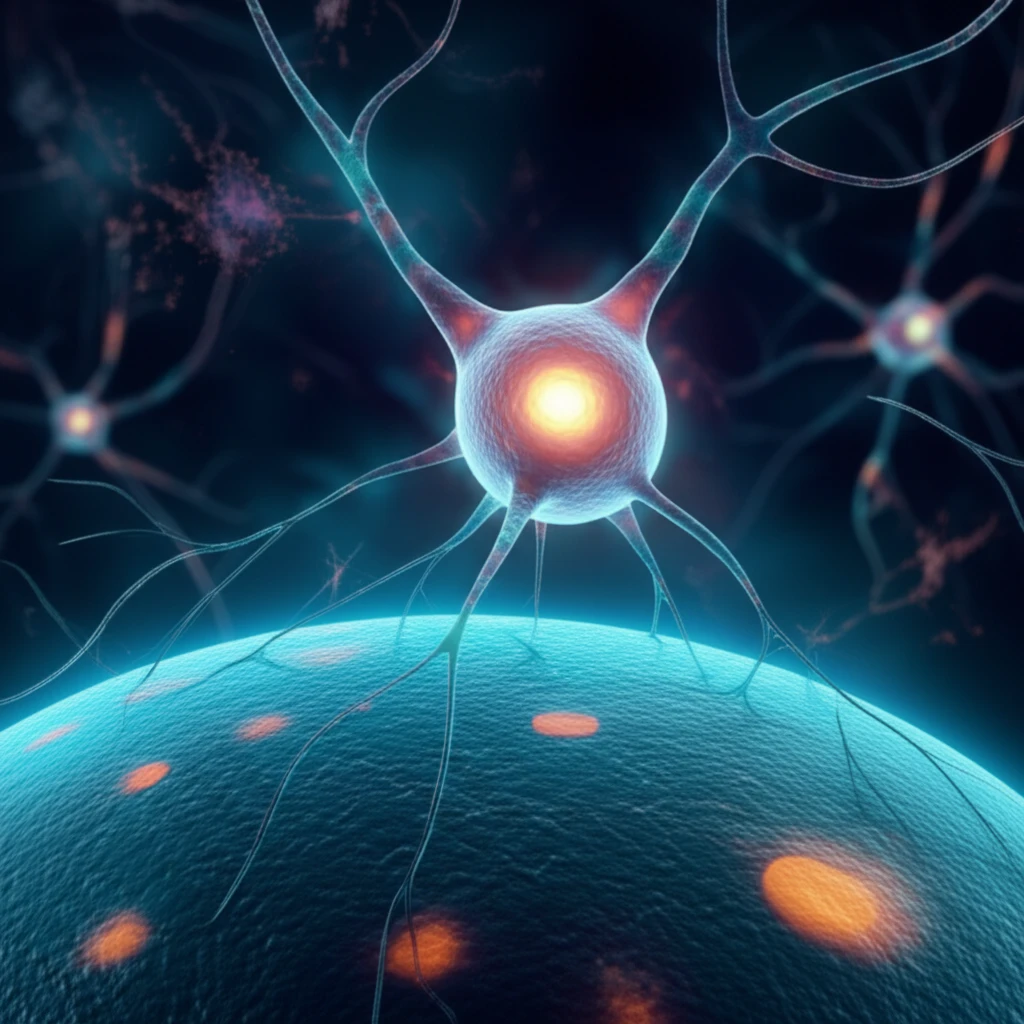
One area of particular interest revolves around neurite growth, the process by which neurons extend and establish connections, a critical step in brain repair. Neurite growth is vital for the recovery of brain function after injury. Scientists are investigating various factors, including extracellular matrix molecules like vitronectin and the growth factor IGF-1 (Insulin-like Growth Factor-1), to see if they can encourage this crucial process. Vitronectin, a protein found in the brain's extracellular matrix, and IGF-1, a growth factor that is released after a brain injury, may play crucial roles in these recovery mechanisms.
This article delves into the latest research on how vitronectin and IGF-1 might influence neurite growth following brain trauma. We will examine the experimental findings and the potential implications for therapeutic interventions. While the path to recovery is often complex, the insights gained from studies like these offer hope and a deeper understanding of how we might support the brain's natural healing capabilities.
The Science Behind Neurite Growth and Brain Injury
To understand the significance of vitronectin and IGF-1, it's essential to grasp the fundamentals of neurite growth and brain injury. Brain trauma can lead to the disruption of neuronal circuits and the damage of crucial brain structures. After the initial trauma, the brain undergoes a complex cascade of cellular events, including inflammation, cell death, and attempts at repair. Neurite growth, the extension of axons and dendrites from neurons, is a vital component of this repair process.
- Traumatic Brain Injury (TBI): A complex injury that leads to the death and dysfunction of neurons.
- Neurite Growth: The key for brain repair and a function to improve overall functions.
- IGF-1 Role: It is known to promote neuronal survival, and vitronectin is also important.
The Path Forward: Implications for Future Therapies
The research on vitronectin and IGF-1 offers valuable insights into brain injury and recovery, and provides a stepping stone to potential therapies. Further research, including clinical trials, will be essential to explore the practical use of these findings. As science uncovers more about the brain's capacity for healing and repair, the prospect of novel treatments becomes increasingly promising, offering hope to those affected by brain trauma. The journey towards better therapies is ongoing, driven by dedication, and the remarkable capacity for the brain to heal.