
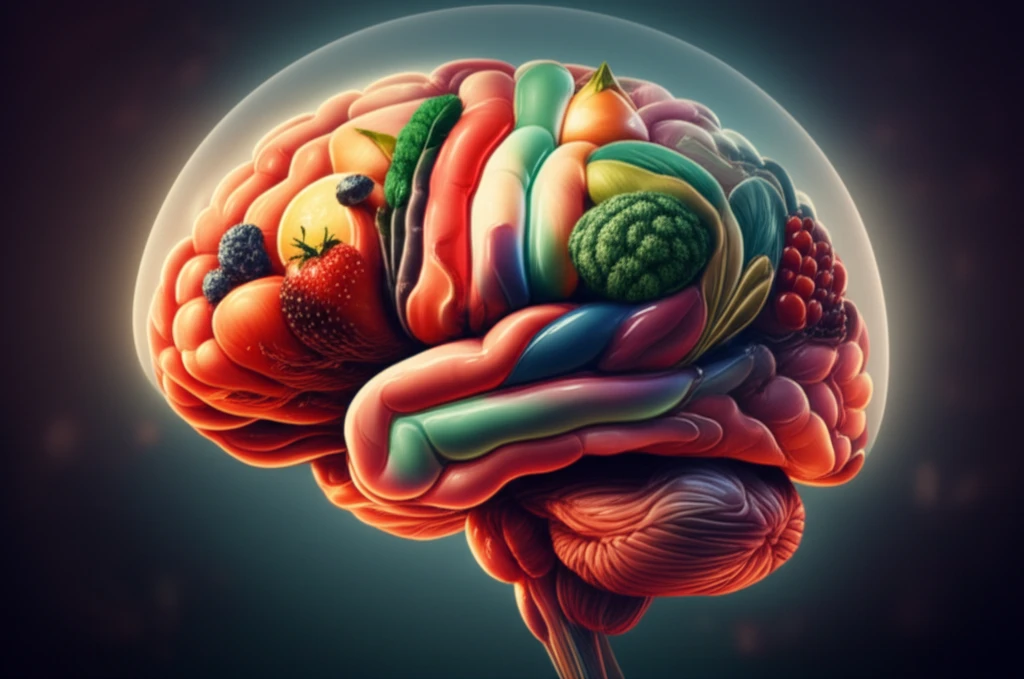
Brain Food: Can Nutrition Really Fight Alzheimer's?

"Unlocking the potential of diet and nutrients in preventing and managing Alzheimer's disease."
Alzheimer's disease (AD) remains a formidable challenge, with current treatments offering only limited relief. This reality has shifted the focus toward preventive strategies, particularly those involving nutrition. Emerging evidence suggests that what we eat can significantly impact our brain health, potentially delaying or even preventing the onset of AD.
This article explores the critical role of nutrition in both preventing and managing Alzheimer's disease. We'll delve into the key nutrients, dietary patterns, and lifestyle factors that research indicates can either protect against or contribute to the development of this devastating condition.
By understanding the intricate relationship between diet and brain health, you can make informed choices to support your cognitive function and reduce your risk of Alzheimer's.
The Nutrition-Alzheimer's Connection: Key Players
Alzheimer's disease is characterized by neuroinflammation and the accumulation of amyloid plaques and neurofibrillary tangles in the brain. These processes disrupt communication between brain cells and lead to cognitive decline. However, nutrition offers a powerful tool to influence these processes.
- Antioxidants and Anti-Inflammatories: Nutrients like vitamins C and E, as well as compounds found in colorful fruits and vegetables, help combat oxidative stress and inflammation, key contributors to AD.
- Omega-3 Fatty Acids: Found in fatty fish, flaxseeds, and walnuts, omega-3s have neuroprotective properties and may reduce amyloid plaque formation.
- B Vitamins: Essential for brain function, B vitamins like folate, B6, and B12 play a role in neurotransmitter synthesis and may help prevent cognitive decline.
- Other Key Nutrients: Vitamin D, zinc, and magnesium are also important for brain health and may influence AD risk.
Empowering Your Brain Health: A Proactive Approach
While research continues to uncover the complex relationship between nutrition and Alzheimer's disease, the existing evidence strongly suggests that dietary choices play a significant role in brain health. By prioritizing a balanced diet rich in antioxidants, omega-3 fatty acids, and essential vitamins and minerals, you can take proactive steps to protect your cognitive function.
It's important to remember that nutrition is just one piece of the puzzle. A healthy lifestyle that includes regular exercise, stress management, and social engagement is also crucial for maintaining brain health and reducing your risk of Alzheimer's.
By making informed choices about what you eat and how you live, you can empower yourself to take control of your brain health and navigate the challenges of aging with greater resilience.