
Brain Balance: How Understanding Excitability Asymmetry Could Revolutionize Multiple Sclerosis Treatment

"New research reveals the potential of brain excitability as a key biomarker in multiple sclerosis, offering hope for more targeted and effective therapies."
Multiple sclerosis (MS) is a complex neurological condition affecting millions worldwide. It is characterized by the immune system attacking the protective myelin sheath around nerve fibers, leading to a range of physical and cognitive symptoms. Managing MS effectively requires a deep understanding of its underlying mechanisms, and recent research is shedding light on a promising new area: brain excitability.
Traditionally, MS research has focused on structural changes in the brain, such as lesions detected through MRI. While valuable, these structural insights don't fully explain the variability in symptoms and disease progression among individuals. Scientists are now exploring the functional aspects of the brain, particularly how nerve cells (neurons) communicate and respond to stimuli. This has led to the concept of brain excitability – the ease with which neurons fire – and how imbalances in this excitability might contribute to MS.
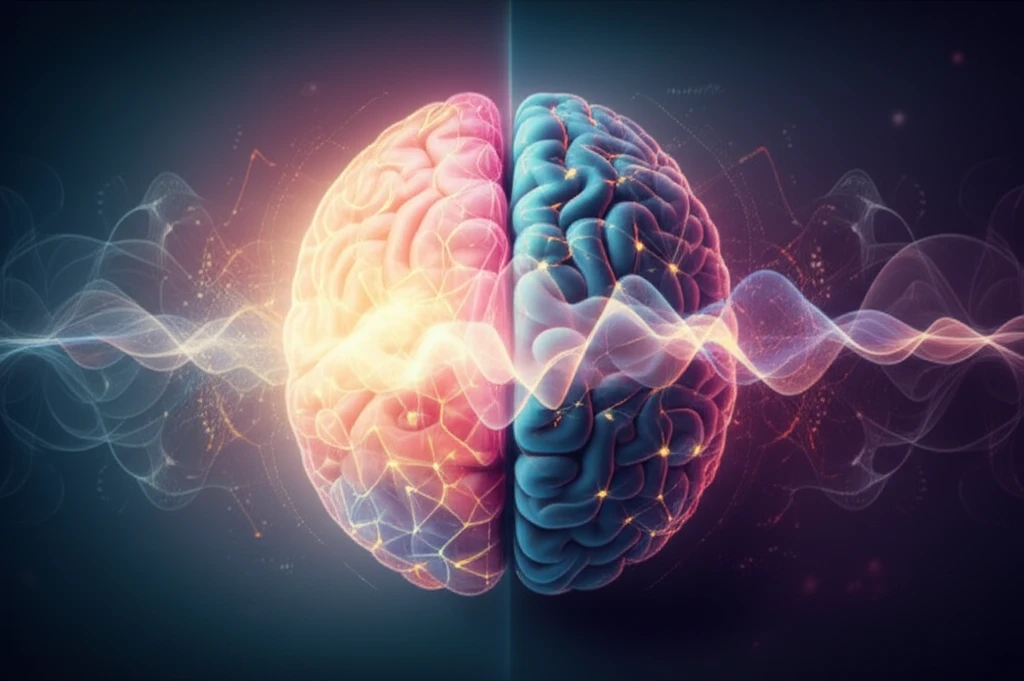
A groundbreaking study by Chaves et al. delves into the idea of brain excitability asymmetry in MS patients. This asymmetry refers to the differences in excitability between the left and right hemispheres of the brain. The study reveals that this asymmetry is not just a random occurrence but could be a critical biomarker, offering new avenues for diagnosis, treatment monitoring, and personalized therapeutic strategies in MS.
What is Brain Excitability Asymmetry and Why Does It Matter in MS?
Brain excitability refers to the readiness of neurons to fire in response to stimulation. This process is crucial for all brain functions, from motor control to cognitive processing. In a healthy brain, there is a balance between excitatory and inhibitory signals, ensuring that neural activity is regulated and efficient. However, in neurological conditions like MS, this balance can be disrupted, leading to areas of hyperexcitability (overactive neurons) or hypoexcitability (underactive neurons).
- Objective and Subjective Symptoms: The study found that the severity of MS-related physical symptoms, such as walking speed and dexterity, as well as cognitive functions, correlates with the degree of brain excitability asymmetry.
- Neuroinflammation: Atypical brain excitability asymmetry in MS may indicate neuroinflammation-mediated hyperexcitability.
- Biomarker Potential: Shifting excitability asymmetry significantly predicted more severe physical MS symptoms and cognitive processing.
- Tracking Disease Progression: Monitoring brain excitability asymmetry could provide a way to track the progression of MS and assess the effectiveness of treatments.
The Future of MS Treatment: Personalized Approaches Based on Brain Excitability
The findings of this study open new doors for personalized MS treatment. By understanding an individual’s unique pattern of brain excitability asymmetry, clinicians can potentially tailor therapeutic interventions to address the specific imbalances present. This could involve using targeted therapies to reduce hyperexcitability in one hemisphere or enhance activity in another, ultimately leading to improved symptom management and a better quality of life for those living with MS.