
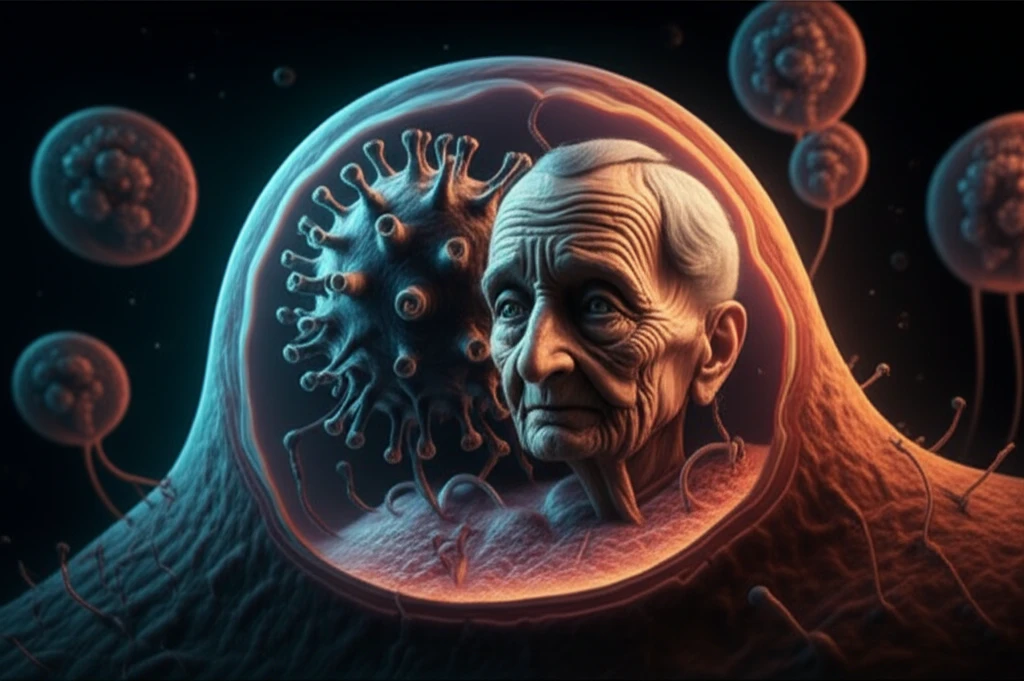
Brain Aging and Viruses: Is Parvovirus B19 a Hidden Culprit in Elderly Brain Decline?

"New research explores the link between a common virus and brain tissue changes in older adults, opening doors to understanding age-related neurological issues."
As people live longer, the number of individuals experiencing neurological disorders continues to rise. The aging process affects the immune system, and infectious agents are increasingly suspected of playing a role in neurological issues. Human parvovirus B19 (B19V), a common virus, is one such agent being investigated.
B19V is known for its ability to remain dormant in the body after the initial infection, typically acquired in childhood. This persistence has raised questions about its long-term effects, especially within the central nervous system (CNS). While B19V has been detected in brain tissue, its specific impact on brain cells and its potential to contribute to neurological diseases remain largely unknown.
New research seeks to shed light on this mystery by examining brain tissue samples from elderly individuals. This study aims to detect B19V, identify the types of brain cells it infects, and explore its possible connection to changes in brain structure associated with aging and neurological decline.
B19V: From Childhood Infection to Lifelong Brain Resident?
After the initial exposure, the human parvovirus B19 (B19V) genome can remain in the central nervous system (CNS), establishing a lifelong latency. Although B19V has been detected in the brain tissue by sequencing PCR products, little is known about its in vivo cell tropism and pathogenic potential in the CNS. In other words, a virus that most people get when they are kids might be hanging around in their brains for the rest of their lives. Scientists are now trying to figure out exactly what this virus does once it settles in.
- Molecular virology (PCR) to detect the B19V genome (genetic material).
- Immunohistochemistry to visualize B19V proteins within brain cells.
- Electron microscopy for detailed structural analysis of infected cells.
Unlocking the Mysteries of Aging Brains
The research highlights the need for continued investigation into the role of viruses in age-related neurological changes. Understanding the interplay between B19V and the aging brain could pave the way for new strategies to prevent or treat cognitive decline and other neurological disorders. While this study provides valuable insights, further research is needed to fully understand the long-term consequences of B19V persistence in the brain and its contribution to the complexities of brain aging.