
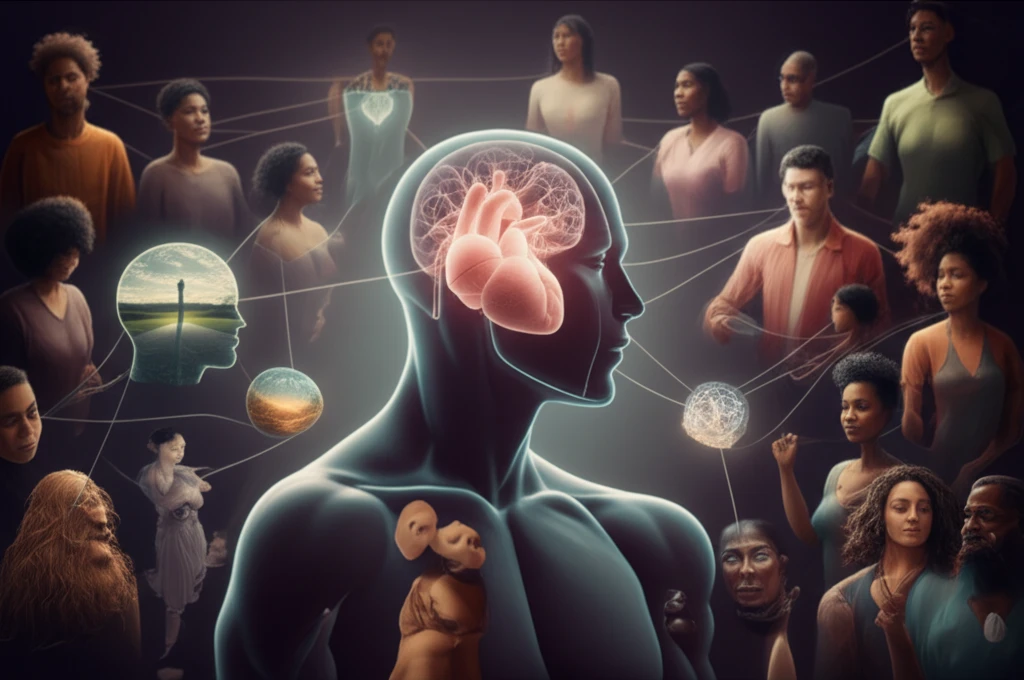
Boosting Well-being: How Integrated Health Programs Can Transform Lives of Individuals with Mental Disorders

"Discover the impact of integrated health care programs on physical, mental, and spiritual health for community-dwelling individuals with mental health challenges."
Living with a mental disorder presents significant challenges to daily life, often compounded by social stigma and limited access to comprehensive care. Traditional approaches frequently focus on managing psychiatric symptoms, overlooking the interconnectedness of physical, psychological, and spiritual health. This fragmented approach can lead to poorer health outcomes and diminished quality of life.
Recognizing the need for a more holistic approach, researchers in Korea investigated the effects of an Integrated Health Care Program (IHCP) on individuals with mental disorders living in the community. This program aimed to address the multifaceted needs of participants, fostering improvements in their physical, mental, and spiritual well-being. This article will cover the key findings from this research, and insights on how integrated health care can significantly improve the lives of individuals with mental health challenges.
By understanding the benefits of integrated care, community health nurses and other healthcare professionals can develop and implement more effective interventions that promote comprehensive health and well-being for this vulnerable population. It emphasizes the importance of moving beyond traditional treatment models to embrace a holistic perspective.
What is Integrated Health Care and Why Does it Matter?
Integrated health care recognizes the interconnectedness of physical, psychological, and spiritual dimensions of health. It moves beyond treating individual symptoms or conditions in isolation, instead focusing on the whole person and their unique needs. This approach acknowledges that mental health is not simply the absence of mental illness, but rather a state of overall well-being that encompasses physical health, emotional stability, social connections, and a sense of purpose.
- Improved Physical Health: Individuals with mental disorders are at a higher risk of developing chronic physical conditions such as cardiovascular disease, diabetes, and obesity. Integrated programs can address these risks through interventions focused on diet, exercise, and preventive care.
- Enhanced Mental and Emotional Well-being: Integrated care addresses not only psychiatric symptoms but also factors such as depression, anxiety, low self-esteem, and social isolation. By providing access to counseling, support groups, and social activities, integrated programs can promote emotional resilience and improve overall mental well-being.
- Spiritual Growth and Meaning: Spirituality can be a powerful source of comfort, hope, and meaning for individuals facing mental health challenges. Integrated programs may incorporate spiritual practices such as meditation, mindfulness, or religious activities to help participants connect with their inner selves and find a sense of purpose in life.
The Future of Integrated Health Care
The findings reinforce the importance of adopting a comprehensive approach to mental health care, one that recognizes the interconnectedness of physical, psychological, and spiritual well-being. By addressing these multifaceted needs, healthcare professionals can empower individuals with mental disorders to live fuller, healthier, and more meaningful lives.
While the study provides valuable insights, further research is needed to explore the long-term effects of integrated health programs and identify the most effective strategies for implementation. Future studies could also investigate the role of technology in delivering integrated care and explore ways to tailor programs to meet the diverse needs of different populations.
Ultimately, the goal of integrated health care is to create a more equitable and supportive healthcare system that empowers individuals with mental disorders to achieve their full potential. As our understanding of mental health continues to evolve, integrated care models offer a promising path toward a future where all individuals have the opportunity to thrive.