
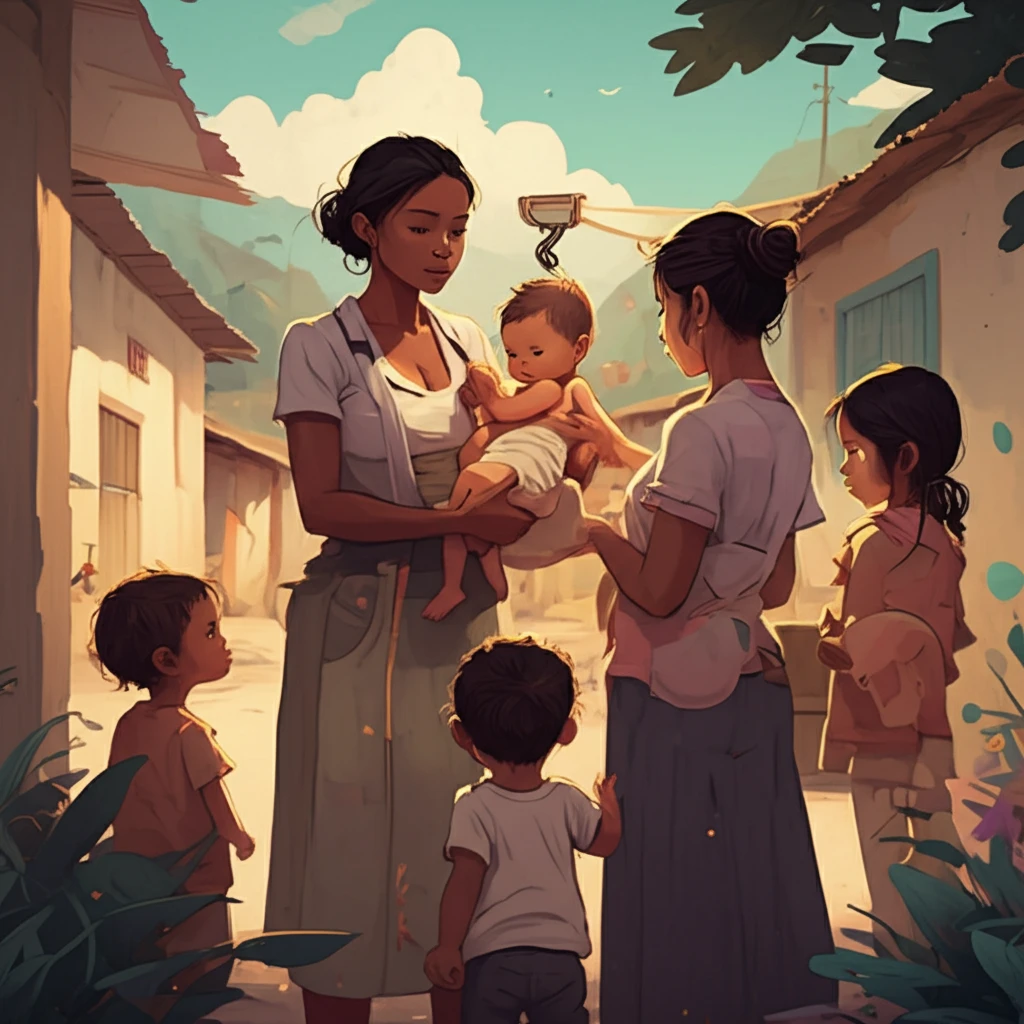
Boosting Child Survival: What Works in Honduras and Beyond

"A deep dive into community-based programs that are making a real difference in child health, and how you can implement similar changes."
For years, child mortality has been a pressing issue in developing countries, but with the right strategies, change is possible. In 1982, UNICEF launched the Child Survival Revolution, uniting international organizations and national governments to combat this challenge. This initiative recognized infant mortality rates as a critical indicator of a country's development and proposed a direct, strategic approach to improving child health.
The Child Survival Revolution focused on four key interventions: growth monitoring to ensure children's healthy development, oral rehydration therapy to combat childhood diarrhea, promoting breastfeeding as the ideal start to life, and providing immunizations against common childhood diseases. These efforts have led to significant progress, yet the work continues, especially in regions facing social, economic, and cultural obstacles.
Honduras serves as a compelling example of how targeted interventions can transform child health outcomes. By prioritizing community involvement and culturally appropriate care, Honduras has made significant strides in reducing child mortality. Understanding the factors that contributed to their success can provide valuable lessons for other communities striving to improve child health.
How Honduras Succeeded: Key Strategies for Child Survival
In Honduras, the Atención Integral al Niño (AIN), or Integrated Child Attention program, began in 1992. This initiative focused on children under two years old, utilizing UNICEF's growth-monitoring approach to prevent child mortality and improve overall health and nutrition. By 2006, this intervention had significantly decreased the mortality rate of children under five, from 58 per thousand in 1990 to 27 per thousand.
- Community-Based Growth Monitoring: Trained community volunteers regularly weighed children, educating mothers about the link between nutrition, illness, and healthy growth.
- Emphasis on Breastfeeding and Immunization: The program promoted breastfeeding for at least the first year and ensured children complied with vaccination schedules.
- Empowering Community Volunteers: Local health workers recruited and trained community volunteers, providing ongoing support and supervision. These volunteers identified cases of faltering growth and worked with health workers to discuss intervention strategies with mothers.
- Data-Driven Decision Making: Health workers maintained records of services and outcomes, tracking the number of children served, the incidence of weight problems, and mortality rates.
Adapting the Honduran Model for Your Community
The success of the AIN program in Honduras provides a blueprint for other communities seeking to improve child health outcomes. By focusing on community involvement, culturally appropriate care, and data-driven decision-making, you can create sustainable change. Start by assessing your community's specific needs and resources, engaging local leaders, and empowering community members to take an active role in promoting child health. With dedication and a strategic approach, you can make a real difference in the lives of children in your community.