
Bone's Surprising Role in Blood Sugar: How Osteocalcin and Insulin Talk to Each Other

"New research uncovers the intricate dance between bone, insulin, and blood sugar, offering potential breakthroughs for diabetes treatment."
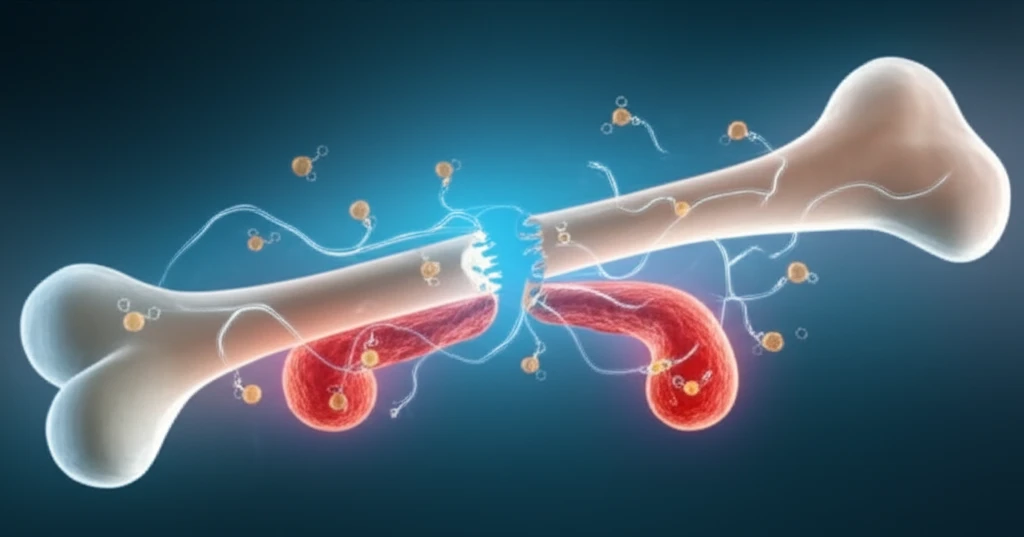
For years, bones were simply thought of as the framework that held us up, but scientists are increasingly recognizing that bones are metabolically active, influencing everything from fat deposition to blood sugar levels. Central to this idea is osteocalcin, a hormone secreted by bone cells (osteoblasts). This hormone is now understood to play a pivotal role in how our bodies handle glucose and insulin.
Think of it as a complex communication network. Insulin, produced by the pancreas, helps glucose (sugar) enter cells for energy. When this process falters, it leads to insulin resistance and high blood sugar, hallmarks of type 2 diabetes. But where do bones fit in? Research shows that osteocalcin can actually boost insulin secretion and improve how our bodies respond to it.
This article unpacks the groundbreaking research exploring this connection, diving deep into how osteocalcin and insulin interact at a molecular level. Understanding this relationship could unlock new strategies for preventing and treating diabetes.
The Bone-Insulin Connection: What Does the Science Say?
Recent studies have illuminated the fascinating interplay between osteocalcin and insulin, demonstrating that bone is not just a passive structure, but an active participant in glucose metabolism. These findings build upon the recognition that osteocalcin, secreted by osteoblasts (bone-forming cells), influences both insulin secretion from pancreatic beta cells and insulin sensitivity in peripheral tissues.
- Insulin Boosts Osteocalcin: When insulin levels were normal and glucose was low, osteocalcin gene expression increased.
- High Glucose is Bad News: When the osteoblasts experienced high glucose levels, osteocalcin production decreased, and the cells didn't differentiate properly.
- Insulin Resistance Sabotages Osteocalcin: Disrupting insulin signaling in the bone cells also reduced osteocalcin production and hindered their development.
- Communication Breakdown: Conditioned medium (essentially, the 'messages' the bone cells were sending) from insulin-resistant bone cells impaired insulin secretion in rat pancreatic beta cells.
- Human Connection: The study also found that people with chronic high blood sugar, but not insulin resistance alone, had lower levels of circulating osteocalcin.
What Does This Mean for Your Health?
While more research is needed, these findings open exciting new avenues for understanding and potentially treating diabetes. If osteocalcin plays such a critical role in insulin regulation, it could become a target for therapies aimed at improving blood sugar control. Maintaining healthy bones through proper nutrition and exercise might also have a positive impact on metabolic health. Talk to your doctor about how to optimize both your bone health and your blood sugar levels for a healthier future.