
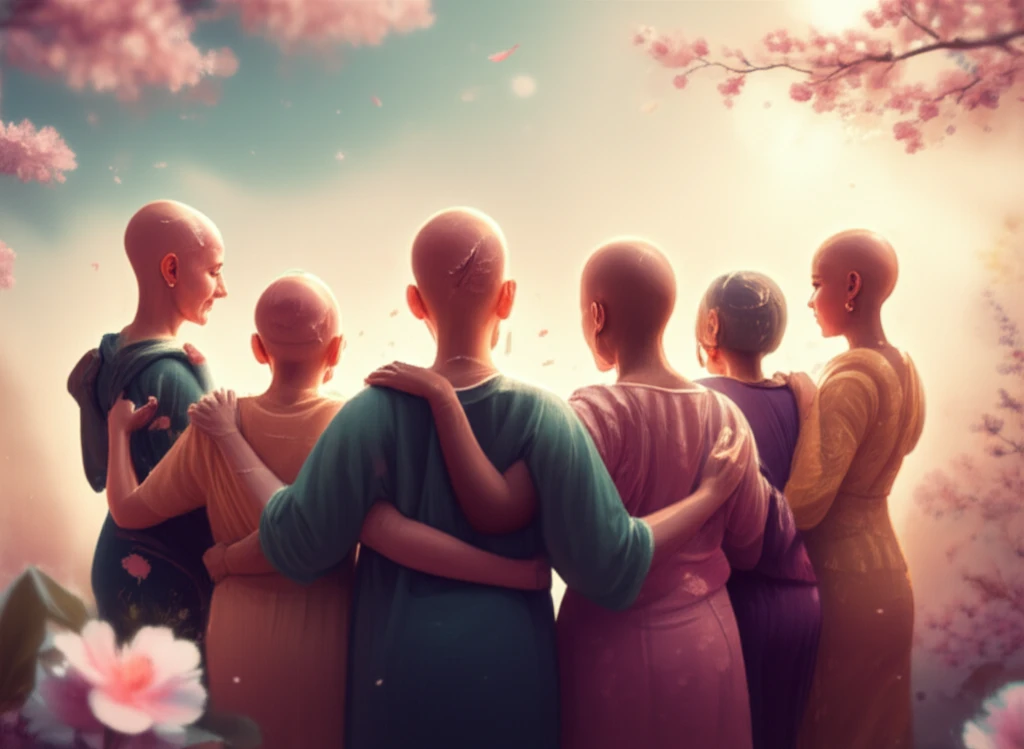
Illustration of a diverse group of cancer survivors embracing their appearance changes with hope and resilience.

Body Image After Cancer: Why It Matters and How to Cope

"Navigating the Emotional Landscape of Appearance Changes Following Cancer Treatment"


Cancer and its treatments can bring about significant changes in a person's physical appearance, impacting not only their physical health but also their emotional and psychological well-being. These changes, whether from surgery, radiation, or chemotherapy, can lead to body image concerns, which are feelings of distress or dissatisfaction related to one's appearance.

For many individuals, body image is closely tied to self-esteem, identity, and social interactions. When cancer treatments alter a person's appearance, it can trigger a range of emotions, including sadness, anxiety, shame, and a sense of loss. It's important to recognize that these feelings are common and valid among cancer survivors.

This article delves into the complexities of body image after cancer, offering insights into the specific challenges faced by survivors and practical strategies for coping with these emotional changes. Our goal is to provide support, understanding, and actionable advice to help individuals navigate this challenging journey and foster self-acceptance.

Understanding Body Image Concerns After Cancer

Illustration of a diverse group of cancer survivors embracing their appearance changes with hope and resilience.

Body image concerns after cancer are complex and multifaceted, encompassing various factors. Physical changes like hair loss, scars, weight fluctuations, or the removal of body parts can directly affect how a person perceives their appearance. These alterations often challenge the survivor's sense of self and body identity.

Beyond the physical changes, the emotional impact of body image concerns is significant. Many survivors report feeling self-conscious, withdrawn, or anxious in social situations. They may struggle with feelings of unattractiveness, shame, or fear of rejection. These emotions can affect relationships, work, and overall quality of life.

  • Physical Changes: Hair loss, scars, weight changes, or the removal of body parts.
  • Emotional Impact: Self-consciousness, anxiety, sadness, and shame.
  • Social Challenges: Difficulties in relationships and social interactions.
  • Impact on Self-Esteem: Changes in how one views and values themselves.
The intensity of these concerns varies among individuals, influenced by factors such as the type of cancer, the nature of the treatment, pre-existing body image issues, and social support. Recognizing the diverse experiences and providing tailored support is crucial for effective care.

Resources and Support

Coping with body image concerns after cancer is a journey that requires self-compassion, support, and the willingness to seek help. By understanding the challenges, embracing self-acceptance, and seeking resources, survivors can navigate this process with resilience and find renewed joy and confidence in their lives.

About this Article -

This article was crafted using a human-AI hybrid and collaborative approach. AI assisted our team with initial drafting, research insights, identifying key questions, and image generation. Our human editors guided topic selection, defined the angle, structured the content, ensured factual accuracy and relevance, refined the tone, and conducted thorough editing to deliver helpful, high-quality information.See our About page for more information.

Everything You Need To Know

1

What specific physical changes can cancer treatments cause that lead to body image concerns?

Cancer treatments can bring about several physical changes that affect a person's appearance and subsequently lead to body image concerns. These changes include hair loss, scars from surgery, weight fluctuations (either gain or loss), and the removal of body parts. These alterations directly impact how a person perceives their appearance, often challenging their sense of self and body identity. It's crucial to recognize these physical changes are common consequences of treatments like surgery, radiation, and chemotherapy.

2

How do body image concerns manifest emotionally for those who have undergone cancer treatment?

The emotional impact of body image concerns after cancer treatment is significant and multifaceted. Survivors often report feeling self-conscious and anxious in social situations. They may experience sadness, shame, and a sense of loss related to their altered appearance. These feelings can stem from changes to their physical appearance due to treatments like surgery, radiation, or chemotherapy, and they can greatly affect their self-esteem and overall quality of life. It's essential for survivors to acknowledge these emotions as valid and seek support.

3

What are the social challenges that cancer survivors might face due to body image concerns?

Body image concerns can create several social challenges for cancer survivors. Many find it difficult to navigate relationships and social interactions because of changes in their appearance resulting from treatment. Survivors may feel withdrawn, or experience fear of rejection or difficulties in social situations, impacting their ability to engage in social activities and connect with others. These challenges can significantly affect their quality of life and overall well-being, highlighting the importance of support and understanding from both loved ones and the wider community.

4

How do factors like cancer type and treatment influence the intensity of body image concerns?

The intensity of body image concerns varies greatly among individuals, influenced by a multitude of factors. The type of cancer and the nature of the treatment play significant roles. For example, treatments that cause visible changes, such as hair loss from chemotherapy or disfigurement from surgery, can trigger more intense concerns. Pre-existing body image issues also contribute, with individuals who had prior struggles with their appearance potentially experiencing heightened distress. Furthermore, the level of social support a person receives can either mitigate or exacerbate these concerns, underscoring the importance of tailored care and resources.

5

What steps can cancer survivors take to cope with body image concerns and foster self-acceptance?

Coping with body image concerns requires a multifaceted approach. Survivors should start by acknowledging and validating their feelings of distress, understanding that these emotions are common and normal. Seeking self-compassion is crucial, treating oneself with kindness and understanding. Building a strong support network, including friends, family, or support groups, can provide emotional comfort and practical advice. Additionally, exploring resources such as counseling or therapy can help develop coping strategies. By understanding the challenges, embracing self-acceptance, and seeking support, survivors can navigate their journey with resilience and find renewed joy and confidence in their lives, despite changes in their appearance from treatment.

Newsletter Subscribe

Subscribe to get the latest articles and insights directly in your inbox.